

MQL vs. SQL: What’s the Difference?
MQL vs. SQL
There’s much debate in the sales world about what constitutes the differences between marketing qualified leads (MQL) and sales qualified leads (SQL).
People from various departments and companies are all likely to provide a slightly different answer on what qualifies each type of lead, as well as how to pinpoint the moment they transition from an MQL to an SQL.
Determining an MQL from an SQL is an important relationship between sales and marketing. This initial step of differentiating one from the other is the ultimate foundation for the lead hand-off.
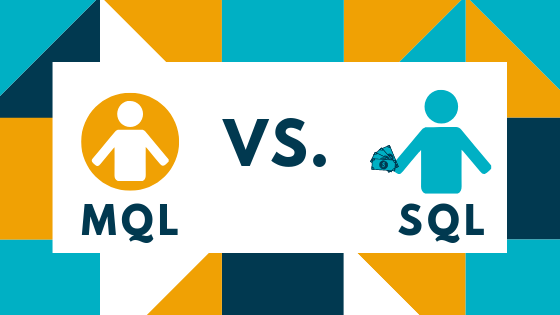
What are the Differences?
MQL refers to a lead that is more likely to become a customer compared to other leads based on lead intelligence and is usually conveyed by closed-loop reporting. This is tracked from looking at specific behaviors or level of engagement, such as website visits and digital content offer downloads.
Ideally, only certain forms should trigger a lead to the MQL stage, such as direct marketing business offers and other sales-ready CTAs.
SQL is the next stage. This means that the sales team has qualified this lead as a potential customer. The SQL is in the buying cycle, while the MQL is not ready for that buying stage just yet.
Why use Sales Qualified Leads and Marketing Qualified Leads?
- They are helpful to track your leads’ progress.
- You can use the metrics to identify prospects.
- MQLs are essential in lead generation campaigns.
Factors that Determine your MQL and SQL Definitions
Lead demographics
When leads match your ideal customer profile, you might want to move them to your sales team. Such information goes beyond their age and job titles. It might also include information such as company size or industry and pain-points.
Lead scoring
Lead scoring combines many attributes to move MQL to SQL. It usually happens by assigning numerical values to your leads based on some predefined characteristics. It might take into consideration their demographic, firmographic and interest information, their engagement with your website and other assets across the internet, as well as their engagement with your emails and other digital communication campaigns.
Lead behavior
Lead behavior has to do with the actions that qualify leads as MQL or SQL. You must figure out what an ideal lead looks like and the influence a specific activity has in moving them down the funnel. It might include booking a meeting, taking part in a demo, or responding to an email. It might also include negative actions.
Likelihood to buy
To qualify a lead as SQL, they must be looking for a product or service. They must also have the budget or infrastructure to use it. Your product or service should also solve their pain points.
How To Convert MQL to SQL?
Align your Marketing and Sales Messaging
You should tune your marketing and sales teams. It plays a critical role in analyzing conversions correctly. Knowing your target market and their behaviors are essential, but consistent messaging throughout the sales-funnel is vital.
Document Your Goals
It is crucial to document your goals and strategies to derive measurable results. Also note down your sales and marketing teams’ plans to contribute to those goals. The document should illustrate your company’s definitions for MQL, SQL, and processes for handling those leads.
MQL vs SQL: Always Prequalify Prospects
Your MQLs differ from regular leads and can help reduce the costs of marketing. There is no need to overinvest resources in leads that aren’t your target. So always ensure that leads must meet your criteria for MQL or SQL. Accordingly, plan nurturing activities and move them down your sales funnel.
Consider the Sales Cycle
Every business has a unique sales cycle. You need to figure out yours so that you can make better decisions on MQL to SQL conversion. Your sales cycle can even affect your definitions of SQL for your business.