

How to Reduce Bounce Rate of Email Campaigns?
What is an email bounce rate?
A bounce rate represents the number of emails in a campaign that get “bounced” back, meaning they could not be delivered to the intended recipient. A high bounce rate negatively impacts engagement and email deliverability – two crucial performance indicators for any marketing team.
There are two types of email bounces: soft and hard bounces.
- Soft bounce: Typically due to a full inbox or server issue (or even an unusually large email), soft bounces are temporary delays and generally less problematic for marketing teams. Contacts that yield soft bounces do not need to be removed from email lists, but if problems persist, you may want to remove those addresses in the future.
- Hard bounce: A hard bounce is more serious, as it means there is a permanent delivery failure. This can occur when an email address is incorrect or a domain has expired. Worse yet, a hard bounce may be indicative of a spam label. You should always take these contacts off your email list as soon as you identify the hard bounce, since increased bounce rates can lead to spam designation (more on that later).
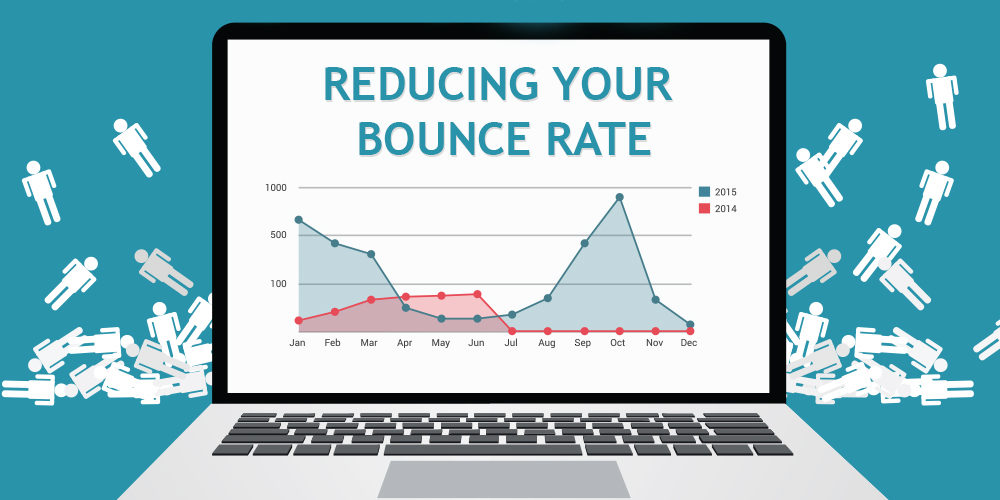
How do you calculate bounce rate?
Bounce rates are fairly easy to determine, even if your company doesn’t use email marketing software. Use this equation to determine your campaign’s bounce rate as a percentage:
(Number of Bounced Emails ÷ Number of Emails Sent) x 100
For example, if your email newsletter goes out to 10,000 contacts and 15 bounce back, your bounce rate would be 0.15%.
You should monitor your bounce rates closely, as they represent the health of both your company’s email list and the marketing campaigns themselves.
What is a good email bounce rate?
Even the best email marketers experience a bounced email from time to time, but consistent hard bounces are definitely worth noting. Acceptable bounce rates vary slightly between industries, but they should be around 2% on average. Bounce rates between 2% and 5% are slightly troubling, and anything above 5% is a definite cause for concern. This may demonstrate an issue in the email acquisition process or the emails being sent in general.
Fortunately, there are several ways to keep bounce rates low and simultaneously increase deliverability and engagement.
How to reduce email bounce rate?
Do a “spring clean” of your email list
Sending emails to invalid email addresses causes your messages to bounce back to you. People are unlikely to keep the same email address for life — they might switch providers, change jobs, or change their name.
Make a habit of reviewing your email lists frequently to ensure that you have the correct email address for your subscribers.
You should also remove any addresses from inactive subscribers.
Establish permission-based emails
The next step for how to reduce your email rate is to establish permission-based email subscriptions. One of the most common reasons for emails bouncing back is incorrect or invalid recipient email addresses.
Permission-based or double-opt-in email subscriptions can help you ensure that your subscribers enter the correct email address when they sign up for your digital emails.
Send frequently
One of the best ways to prevent email bounces is to send emails frequently. By sending consistent messages, subscribers won’t forget that they opted in for your emails.
You can also send multiple types of emails to keep your messages varied and engaging. For example, you can showcase your blog posts, videos, or new digital product releases.
Avoid spammy content
Subscribers and email providers don’t like spam. That’s why one of the best ways to reduce email bounces is to avoid creating spammy content.
If your content reads like spam, your recipient’s email providers may block your email outright, causing your email marketing bounce rate to rise.