
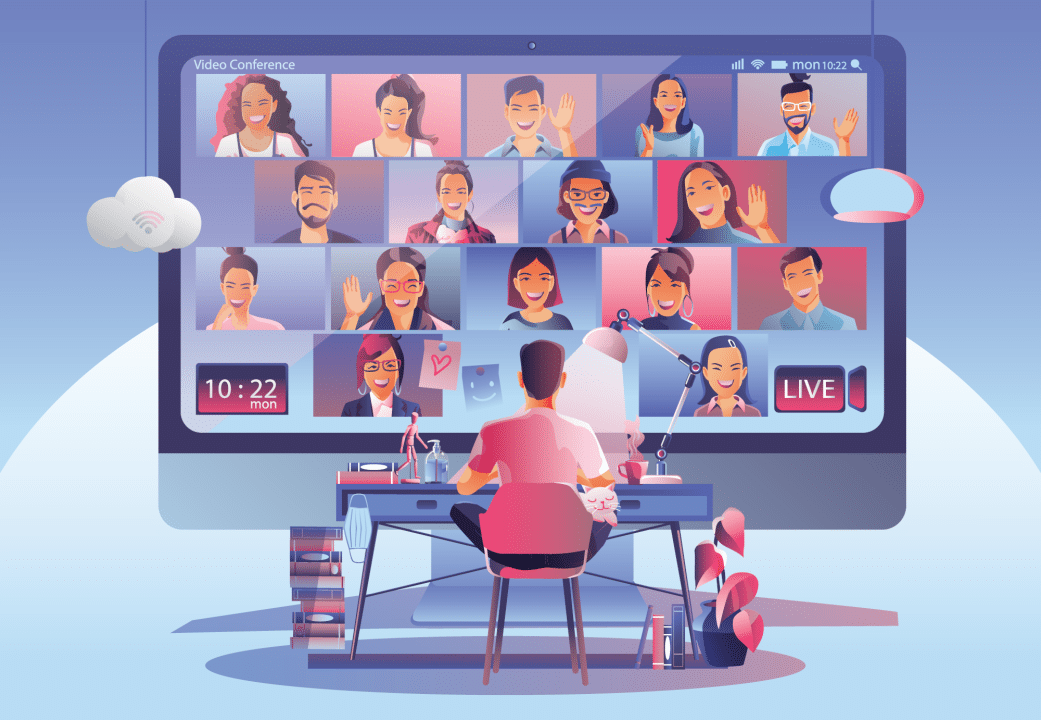
Virtual Events: A Powerful Tool for Digital Marketing
As businesses are adapting to the changing digital landscape, virtual events have emerged as a powerful marketing tool. With traditional in-person events no longer a viable option for many, virtual events allow companies to continue engaging customers and building brand awareness online.
Rather than cancelling important marketing activities, companies are innovating by moving events such as trade shows, conferences and seminars onto virtual platforms. Furthermore, virtual events can reach a larger, global audience compared to physical gatherings limited by location. With the right planning and execution, these platforms democratize events in a way that positively impacts digital marketing efforts.
There are several virtual event platforms to choose from
each with their own strengths. Popular options include Zoom, Go To Webinar and Cisco Webex, which facilitate video conferencing as well as interactive elements like Q&A functions and polling. Meanwhile, platforms like Hopin and 6Connex specialize exclusively in virtual experiences, complete with networking lounges and virtual exhibition booths. Regardless of the specific platform, features like live streaming capabilities are critical for an engaging online event experience.
Additionally, companies must carefully consider how to maximize opportunities through virtual events. For example, recording sessions allows missing any part of a live presentation. Moreover, posting video content following an event keeps valuable information accessible on-demand through various digital marketing channels. Furthermore, including opportunities like breakout sessions at them mimics in-person networking which builds relationships crucial for business. Proper planning ensures virtual events are not just live versions of physical ones but leverage online strengths, as well.
Promoting virtual events requires a targeted digital marketing strategy.
In addition, to traditional outreach methods, companies can create branded event pages, promote registration and reminders through email marketing and leverage social platforms. Especially on LinkedIn and Facebook, event listings reach qualified potential attendees within target networks. Videos and images highlighting event themes, speakers and agenda spark interest, as well. Moreover, companies need track and follow up on leads generated from them accordingly.
In conclusion, virtual events present a new avenue for digital engagement as distanced replaced physical interactions. With creativity and execution excellence, companies can essentially transport live experiences online tool . While format adjustments take effort, virtual platforms increase reach over traditional limitations. Most importantly, virtual events maintain crucial marketing activities even amid disruption, fostering connections central to business development through an innovative digital approach. Overall, embracing them expands opportunities within the changing digital landscape.