

Transitioning to Zero Party Data
With consumer privacy concerns on the rise and data regulations tightening, marketers are realizing the limitations of third party data sources. However, shifting to first party data collected directly from customers presents challenges on its own. An alternative gaining traction is zero party data - the data customers actively choose to share about themselves. Embracing zero party data strategies can help brands access valuable insights while respecting customers' privacy and control over their information. Traditionally, marketers have relied heavily on third party data purchased from data brokers and partners. This includes demographic and behavioral data used to segment audiences and target

Programmatic Advertising in Digital Strategy
Programmatic advertising is an automated process for buying, placing and optimizing digital ads across various platforms. By harnessing the power of programmatic, brands can achieve more precise targeting, greater scale and higher ROI for their marketing campaigns. Here are some key aspects of how programmatic advertising can benefit your digital strategy. Purchasing in real-time. First and foremost, programmatic advertising allows you to purchase ad space in real-time using automated technologies. This means your ads can be targeted and served to the right customers the moment they arrive on a website. Real-time bidding maximizes the relevance and efficiency of your campaigns. Data-driven optimization. In
Influencers Drive Results in Your Digital Marketing
Influencers marketing involves partnering with relevant figures on social media who promote your brand to their audiences. By leveraging the trust and credibility of influencers, businesses can raise brand awareness, generate leads and boost sales through their digital channels. Here are some effective tactics for incorporating influencer marketing into your digital strategy. Identify your ideal customer. Firstly, define your target audience in order to determine the most suitable influencers to partner with. Outline your audience based on demographics, behaviors, interests and other attributes that describe them as a group. A clear profile of your customer will aid in finding aligned influencers. Research
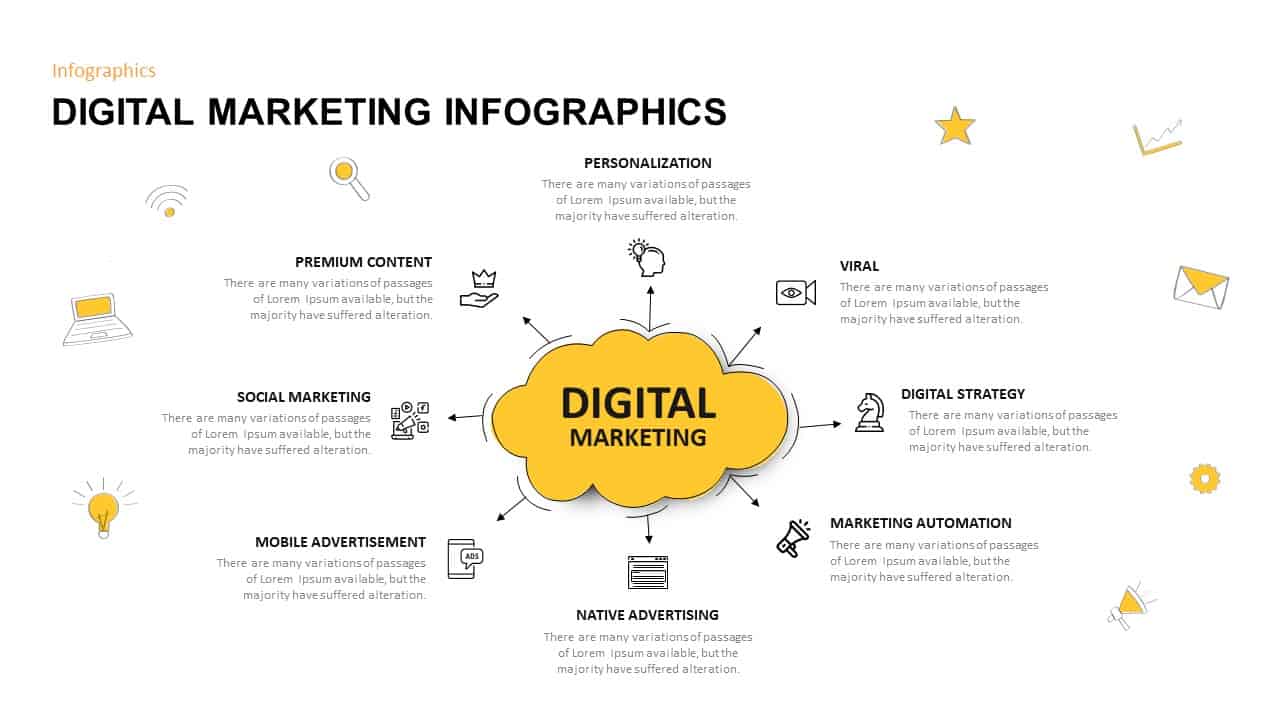
Using Infographics in Digital Marketing
Visual content like infographics and images consistently outperform plain text across social media and search engines. By incorporating infographics into your digital marketing, you can engage audiences better, increase social shares and improve organic traffic. Here are some effective ways to leverage infographics for your marketing goals. Choose relevant data. Firstly, identify relevant industry or brand data that you can distill into a visually interesting infographic. This could include useful statistics, comparisons, trends, lists or processes related to your niche. The more meaningful and share-worthy the info, the more impact your graphic will have. Outline the main points. Subsequently, outline the major

Omni-Channel Exposure in Digital Marketing
For businesses looking to engage customers across multiple touchpoints, an integrated digital marketing strategy is essential. An omni-channel approach ensures a unified and an exposure consistent brand experience across all channels that customers interact with your business through. It aims to provide buyers with a seamless experience no matter which path they take - online, mobile, social or in-person. Omni Versus Multi-Channel While both aim for consistency across mediums, there are subtle differences: Multi-channel marketing means using separate channels in isolation to reach customers. Also, while effective, it can result in disjointed messaging and multiple brand personalities. Omni-channel marketing combines channels synergistically to deliver