

Inclusive Media: Planning for All Audiences
Media planning and buying has traditionally targeted specific demographic segments, often overlooking or misrepresenting minority groups. Inclusive media aims to rectify this by planning communications that represent and resonate with all audiences. Let's examine what inclusive media means and how it can be achieved in the following: Accurate Representation First and foremost, inclusive media planning starts with accurate representation of diverse audiences in ad campaigns. This requires casting, images and messaging that reflect the full spectrum of today's consumers. Too often, advertising skews toward depicting mainly white, heterosexual, able-bodied people. This media identifies underrepresented groups and features them authentically throughout campaigns. Targeting All Audiences Inclusive

The Rise of Netflix and its Marketing Success
Netflix platform began as an unlikely success story and became a digital marketing powerhouse through innovation and customer focus. DVD Service Turns into Streaming Pioneer It started in 1997 as a DVD rental service by mail. First, it disrupted brick and mortar rental stores by offering reliability and convenience. However, when streaming video emerged, it quickly recognized the opportunity and transformed. In 2007, Netflix launched its online streaming service with a limited selection. However, Instead of focusing on technology, it concentrated on improving the customer experience through recommendations, personalization and an easy interface. This customer-centric approach, along with original content, enabled Netflix to become

A Digital Marketing Interview Checklist
As digital marketing becomes a crucial role for businesses,job seekers need to showcase relevant skills and experience during interviews. Here are key items to cover when preparing for a digital marketing interview. Evaluate Your Qualifications First, review your background to identify strong suits that match the role. Consider experience with: Paid advertising like Google Ads and Facebook ads Managing content on websites and social media Analyzing web traffic and marketing campaign performance Understanding key digital marketing concepts and strategies Working with tools like analytics, CRM and marketing automation software. Highlight relevant skills that fit the company's needs to demonstrate why you are a

Data Management for Digital Marketers
Data lies at the heart of digital marketing strategies and tactics. Whether optimizing ads, improving websites or personalizing customer experiences, digital marketers rely on it to measure results and make informed decisions. However, it only becomes valuable through proper management. Data management for digital marketers involves: Organizing and storing using database management systems (DBMS) like Oracle, SQL Server and Teradata. These provide a central repository for all relevant campaign, website traffic metrics, customer profiles and more. Transforming it into meaningful information using analytics tools and business intelligence platforms. Raw data becomes valuable when organized, analyzed and visualized through dashboards and reports.
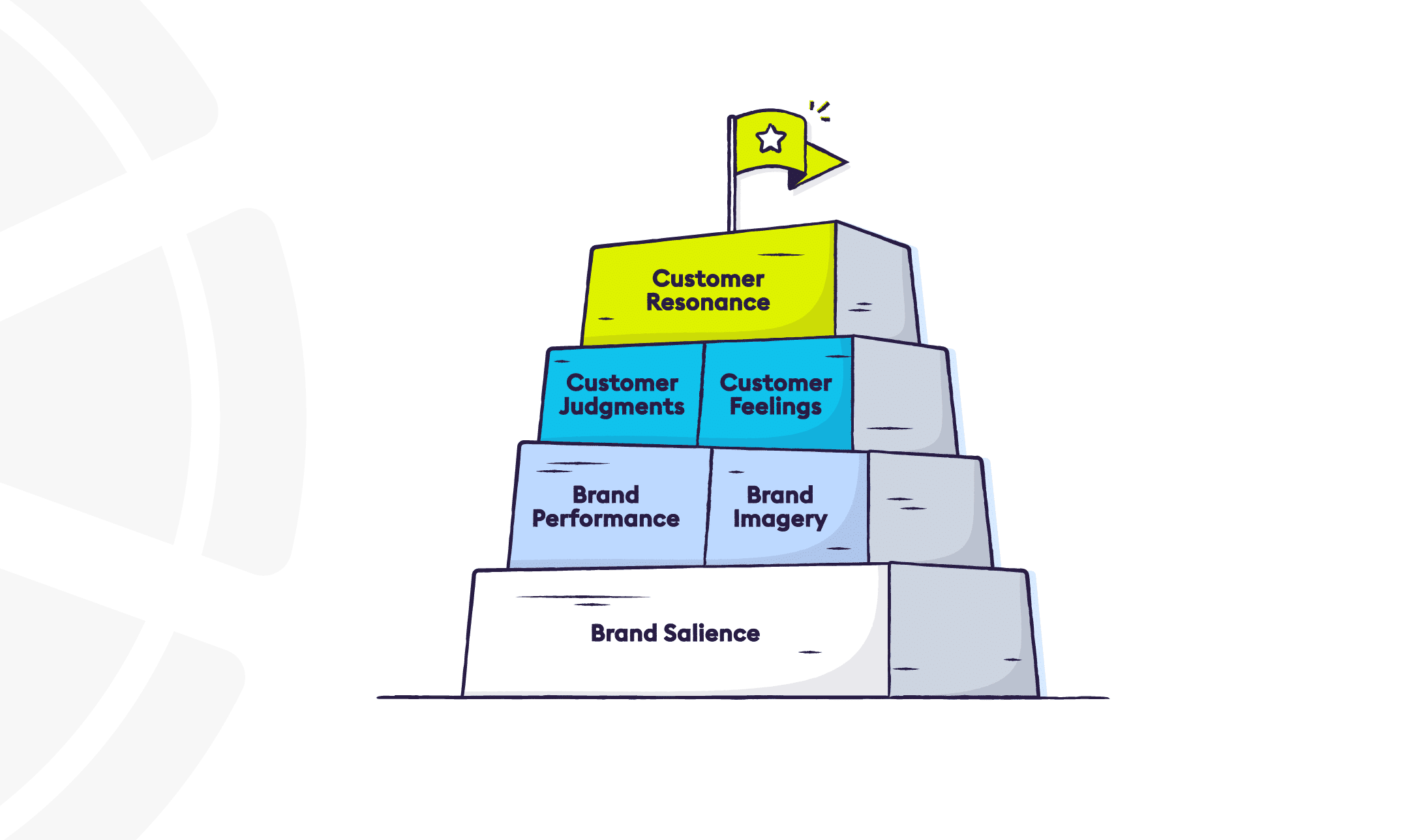
What is Customer-Based Brand Equity?
A brand's value and success ultimately depend on the associations customers make with it in their minds. This concept is known as customer-based brand equity. Brand Equity Defined Firstly, brand equity refers to the overall value of a brand due to consumers' perceptions of it. These perceptions shape customers' attitudes, preferences and loyalty towards the brand. Indeed, customer-based brand equity specifically refers to how consumers think, feel and act towards a brand which ultimately determines its profitability and market share. It consists of four components: Brand awareness: How well-known and visible the brand is Brand image: Consumers' perceptions and beliefs about the brand