
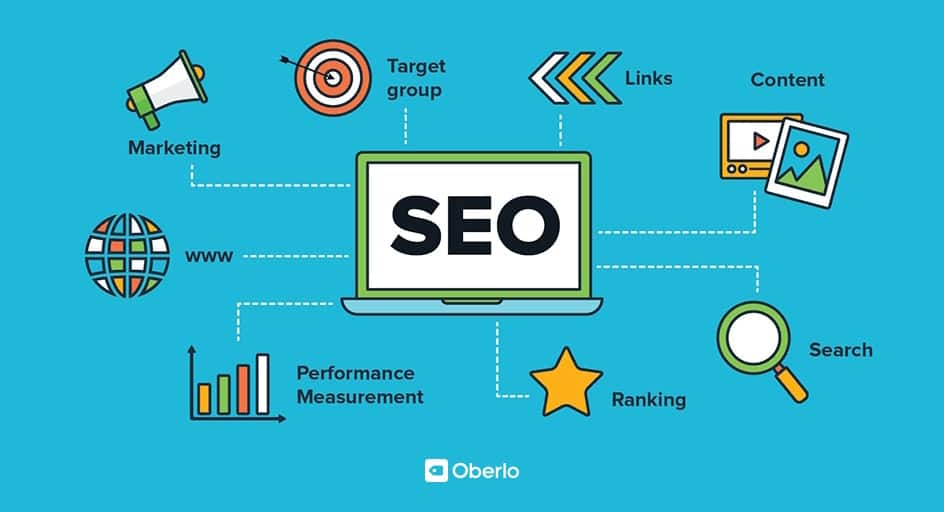
Search Engines Through Technical SEO
Technical SEO refers to the underlying techniques used to optimize a website's code, content and architecture for search engines. Implementing technical SEO best practices helps search algorithms properly assess the relevance and value of your website's pages. Here are key areas to focus on: To start with, create an HTML sitemaps . This tells search engines about all the pages on your site, helping them find and index content for rankings. Submit sitemaps to Google Console. Additionally, utilize appropriate HTML heading tags. Search engines use headings to determine what a page is about. Use H2 and H3 tags to structure and highlight

Schema Markup for SEO
Schema markup provides an effective way to improve both your SEO and the user experience of your web pages. By adding schema to your content, you give search engines structured data that help them understand and display your pages more accurately and prominently in search results. To begin with, schema allows search engines to extract meaningful information from your web pages and classify that data properly. Without schema, search engines must interpret page content on their own. It acts as guidance. Furthermore, when search engines understand your content better through it, they can display it in more relevant and useful search features.

Technical Side of Your Website for SEO
On-page and off-page SEO strategies certainly impact how well search engines understand and rank your website. But technical aspects like speed, code quality, URL structure and site architecture also determine how easily search bots can discover, read and index your pages. Thus, optimizing these behind-the-scenes elements - known as technical SEO - creates a solid foundation for higher search visibility and rankings over time. Page Speed Page load time significantly impacts user experience and search engine rankings. Google has explicitly stated speed is a direct factor in its algorithms. Thus, to boost technical SEO: Minimize page size by compressing images and optimizing HTML/CSS Reduce
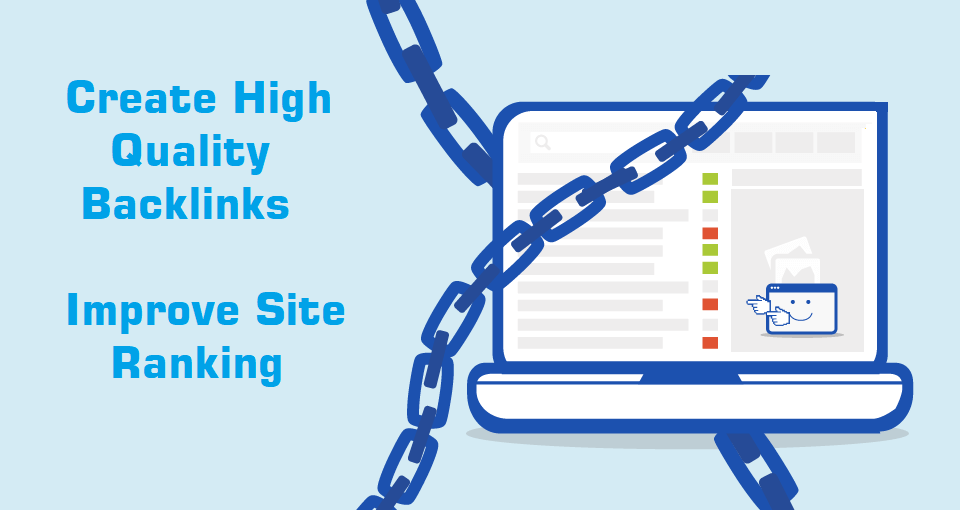
Building High-Quality Backlinks for SEO Rankings
Backlinks - or inbound links to your website from external domains - play an important role in search engine rankings through passing link equity and trust. However, not all backlinks are equally valuable in the eyes of search engines. Consequently, focusing link-building strategies on gaining quality, relevant backlinks can provide the greatest boost for your SEO efforts. Earning Links Organically The most important factor in backlinks is relevancy. Hence, links sourced through quality content and outreach that naturally relates to your topic hold the most weight. Therefore, focus on: Publishing helpful, shareable content Answering questions from customers and site owners Building relationships in online communities Citations
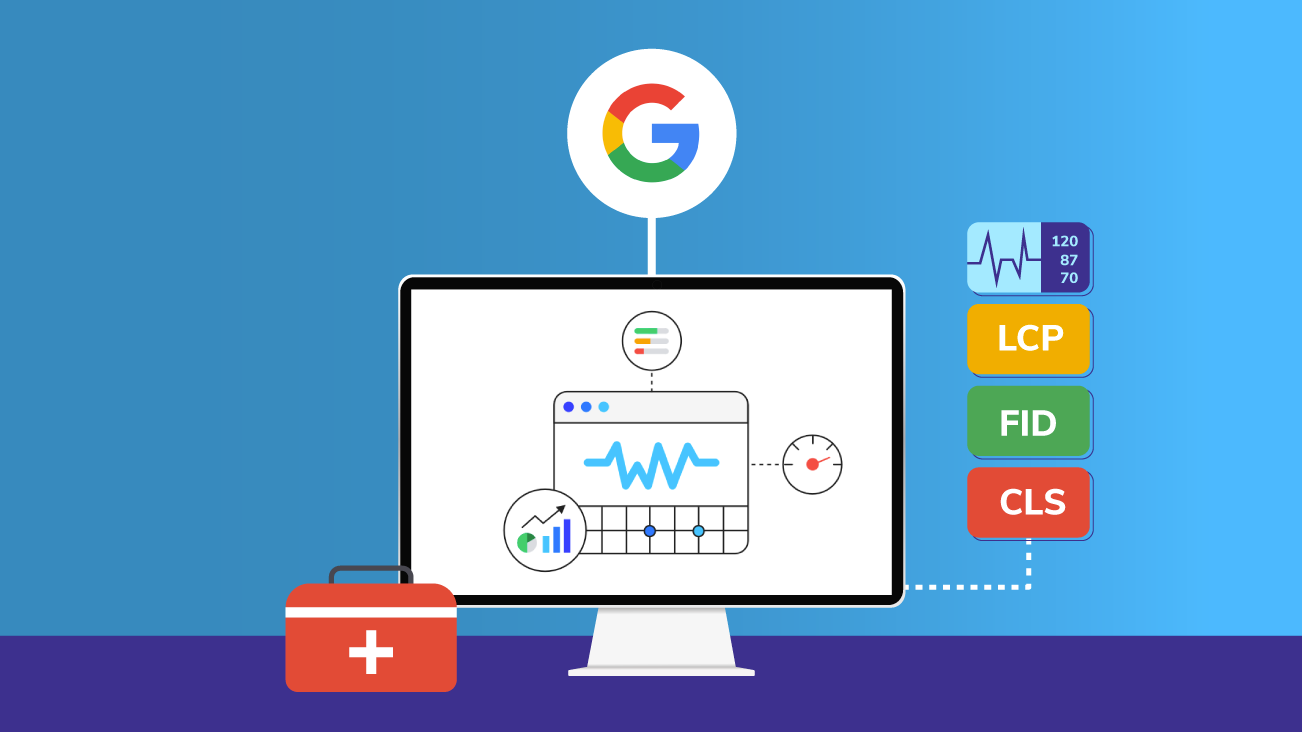
Why Core Web Vitals Matter for Your SEO?
Google's focus on user experience through their Core Web Vitals metrics is one of the most important SEO trends to know about for the coming year. These metrics evaluate how quickly webpages load, how interactive they are and how stable the content remains - all key factors in a positive user experience. Pages that perform well according to Google's Core Web Vitals are more likely to show up in search results and rank higher. Conversely, pages with low Core Web Vitals scores may see their rankings decrease. So what exactly are Core Web Vitals? They consist of 3 key performance indicators: Largest Contentful