

What is a Demand-Side Platform (DSP)?
Demand-Side Platform
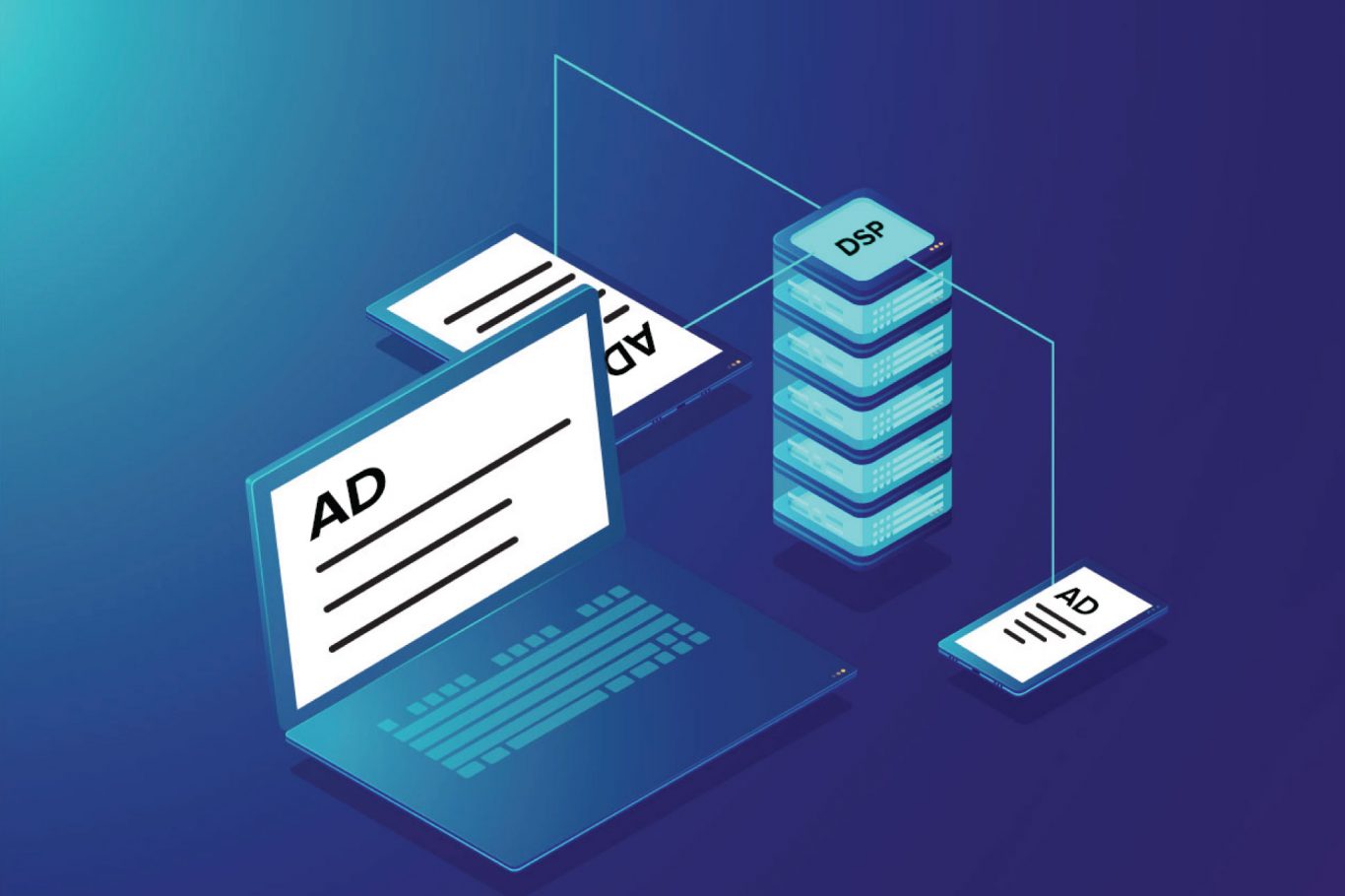
A demand-side platform (DSP) is a type of software that allows an advertiser to buy advertising with the help of automation. Because they allow mobile advertisers to buy high quality traffic at scale with minimal friction, DSPs are a powerful marketing automation tool.
DSPs can easily automate ad transactions in real-time, purchasing ad impressions in as little as milliseconds using programmatic advertising. If businesses want to get started with DSPs, they’ll first need to set a specific budget around cost-per-click and cost-per-action metrics. With a budget in place, you can indicate how much the marketing platform should spend in an auction.

The Elements of a Demand Side Platform Explained
User interface
The dashboard from which advertisers set the parameters for the campaign, including targeting, placement, frequency capping, etc.
User profile database
Information about the end users who view the ads. This might include information such as which ads they’ve seen, or the time of day they saw them.
Reporting database
This stores data about the campaign for later aggregation into reports.
Campaign tracker
Records information about the performance of the campaign, including clickthrough rate, impressions, win rate, etc.
Ad server
DSP ad tech that stores the digital ad creative itself and displays it to the end user, regardless of type. DSP video ads are on the same servers as banner ads, for example.
Bidder
Stores the information for each advertiser’s campaign parameters and facilitates bidding on ad inventory during RTB auctions. A DSP will typically have bidders in several server locations to minimize bid latency. When the time to win a bid is counted in milliseconds, every possible advantage helps.
Integrations
Within the programmatic ecosystem, various ad tech platforms must interact and work together. Integrations refers to the ways in which various platforms “speak” to each other and work together, including DSPs, SSPs, ad exchanges, and data management platforms (DMPs).
How Demand-Side Platforms Work
When working with a DSP, the advertiser provides the ad content and digital design. For example, banner graphics), together with information about the ideal target market, and maximum budget plan. The digital platform then identifies advertising opportunities across various systems, finding the ad space that offers the lowest cost for the most ‘eyeballs’ in the target demographic. The DSP automatically buys those ad spaces on the advertiser’s behalf, until the budget is maxed out.
Why Do Media Buyers Use DSPs?
Premium Targeting: User interest data captured in a DMP and most of the time, DSPs integrated with various DMPs to improve ad targeting, ad verification, and optimization processes.
The Right Inventory and Brand Safety: The most important thing that determines the success of RTB campaigns is the choice of inventory. Since DSP platforms allow media buyers to pre-define the type of inventory they want to buy, the purchasing process is easy and safe.
Reporting and Campaign Analytics: DSP platforms allow advertisers to track the performance of their ad campaigns in real-time. Although the ad marketing campaigns are running across different ad exchanges at the same time, a DSP gathers information from all sources and delivers a consolidated custom report.