

What is Local SEO and How to Improve it?
Local SEO
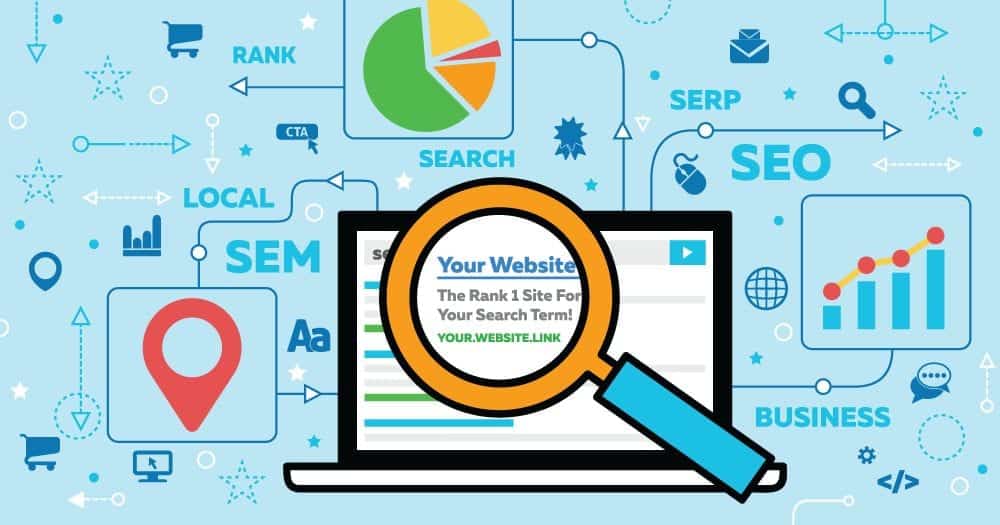
Local SEO stands for “local search engine optimization”. It is a set of practices used to optimize your business’ profile on the web and attract valuable local customers via search engine results. Like traditional SEO practices, local SEO employs several technical and creative strategies to convince search engines that your business should be shown prominently for relevant local search queries.
Why is Local SEO Essential?
In fact, it’s an integral part of any business’s overall digital marketing campaign these days.
Simply, the reason is that people use Google to search for local businesses. Whether they’re trying to find the best local restaurant near them or a plumber, you can bet that more than half of the online searches are performed by location. Actually, four in five consumers rely on search engines to find information about local businesses.
How Can Local SEO Improve Local Business?
Attracting Organic Traffic
This is where you can benefit the most from local SEO. You see, having your website mapped on Google has its benefits beyond just showcasing your business in the SERPs.
If people are looking for information about a certain business location (or multiple locations), this will match your website, and they’ll be directed to it. In other words, if someone does a search in Google Maps and clicks on your digital business, they’ll be taken to your Google My Business page.
Improving Brand Authority
Another benefit of implementing an effective local SEO strategy is to gain authority and credibility online. Again, this is free to do, and it’ll be worth your time in the long run.
If you want people to trust you and your business, all you have to do is show up where they’re searching for local businesses. For example, if someone does a Google search for “plumbers near me,” the first few local search results will likely be pages from Google My Business.
Driving More Leads
Another benefit of local SEO is increasing the number of leads for your business. Once you get more visibility on the digital web, you should see an increase in the number of people contacting you.
This can be attribute to two reasons:
1) Many first-time customers will find your business online through local searches and turn into leads.
2) Once your website improves its visibility, more potential customers will come across your digital page and contact you for services.

Ways to Improve Your Local SEO
Utilize Google My Business
Part of your local SEO strategy should focus on updating your Google My Business (GMB) listing. Your GMB listing will list the information that’s relevant to your business, which includes:
- Business name
- Address/directions
- Website
- Business hours
- Customer reviews
- Phone number
A key component to local SEO is keeping your GMB listing up to date.
Review Generation
Review generation means getting regular reviews from happy customers. There are many benefits to getting your customers to write reviews for you, not just the fact that it optimizes your online presence; it also encourages more local customers to buy from you.
Here are a few tips to help you encourage customers to leave reviews:
- Ask for a review in person after completing a sale/ service.
- Set up post-purchase email automation to request reviews from customers.
- Make sure you include the link to your review page to make it easy for the customer to leave a review.
Local SEO Focused Web Design
Your website and the keywords you use play a huge role in local SEO. As a web designer, I can’t stress enough how important it is to improve your marketing website if you want great local SEO results.
The location page or about us page on your website plays a huge factor in local SEO. You need to make sure you list important information on your marketing website, like your address and the Google Maps attachment of your location.
Your website also needs to hone in on local keywords. Your keywords should be relevant to local customers. It only makes sense, doesn’t it? Create a list of locally relevant keywords to target and add to your website’s meta content, copy, and URLs.