
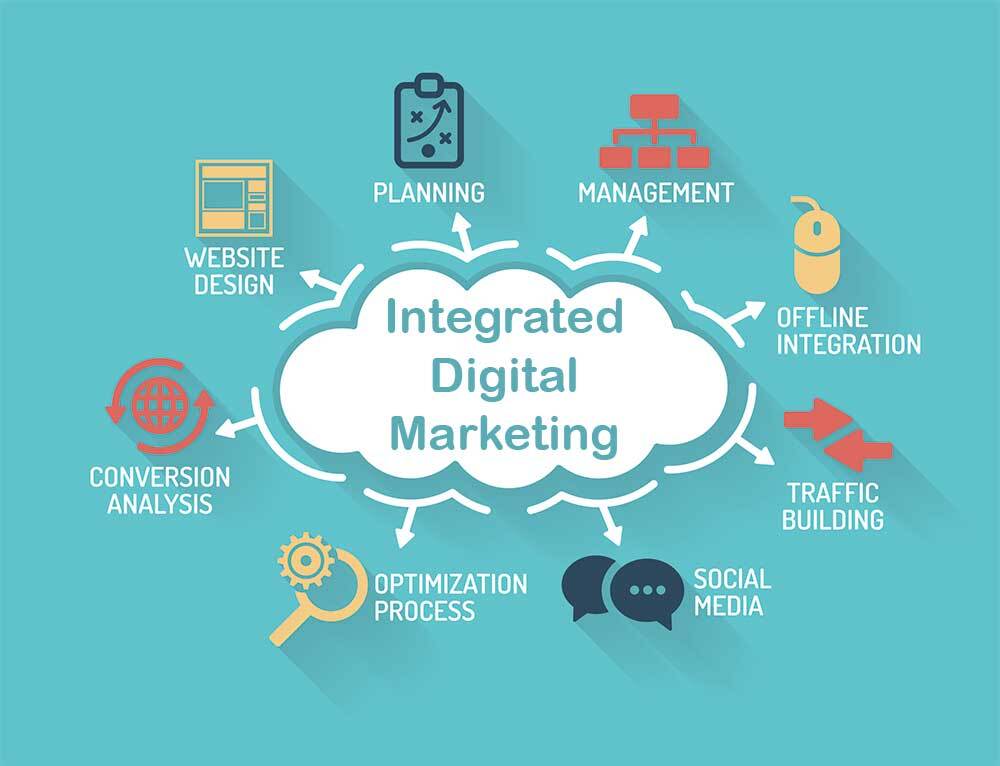
Digital Marketing Integration with Messaging platforms
Digital Marketers integrate messaging platforms into campaigns to reach audiences where they are already actively engaging online. Messaging applications allow marketers to deliver targeted communications within the flows of conversations. Integrating these platforms optimizes campaigns and boosts engagement.
Messaging platforms like Apple’s iMessage, Facebook Messenger, WhatsApp, WeChat and Line have huge user bases that marketers can tap into. These platforms offer instant notifications and convenience that audiences have grown accustomed to. By integrating messaging into campaigns, marketers can improve relevance and timeliness of their communications.
There are several strategies digital marketers employ to integrate messaging platforms. Brands create chatbots to automate simple consumer inquiries and product recommendations. Chatbots provide 24/7 customer support and allow marketers to scale interactions. However, humans still monitor and improve chatbot functionality over time.
Digital marketers
They utilize custom messaging solutions and automated texts to supplement email newsletters and push notifications. For example, a retailer can send text alerts about upcoming sales and special offers. These targeted texts get through messaging filters that often block standard emails. Timely updates integration and recommendations within messaging platforms keep brands top of mind among consumers.
To facilitate communications within messaging applications, marketers establish branded accounts for businesses or create profile pages for products. These branded identities allow consumers to easily connect with companies to ask questions, get support and seek recommendations directly within their preferred messaging applications. Social media integrations reinforce these branded identities and help consumer find brands on multiple interactive channels.
In addition to coordinating with chatbots and texts, marketers leverage native features within messaging platforms to engage consumers. For instance, digital marketers make use of GIFs, stickers, emojis and polls within iMessage and Facebook Messenger to liven up conversations and add personality to brand communications. Visual and interactive messaging keeps consumers interested and increases the chances of them passing branded messages along to their personal networks.
Though integration
With messaging platforms offers opportunities, there are potential risks for digital marketers to consider. Platform policy changes and technical issues outside of a brand’s control can disrupt messaging campaigns. Marketers must establish procedures to detect and respond to any disruptions minimizing customer frustrations.
Data privacy and security are also critical issues for marketers employing messaging platforms. Strong opt-in processes, clear data use disclosures and careful protection of consumer information are essential for establishing trust and legitimacy. Many consumers remain wary of messaging offers from unknown brands due to spam and phishing concerns. Marketers must proceed thoughtful and prove their legitimacy through high-value messaging experiences.
In conclusion, digital marketers that carefully integrate prominent messaging platforms into online campaigns can reach massive audiences, deliver relevant communications and forge more personal interactions that build loyalty.