
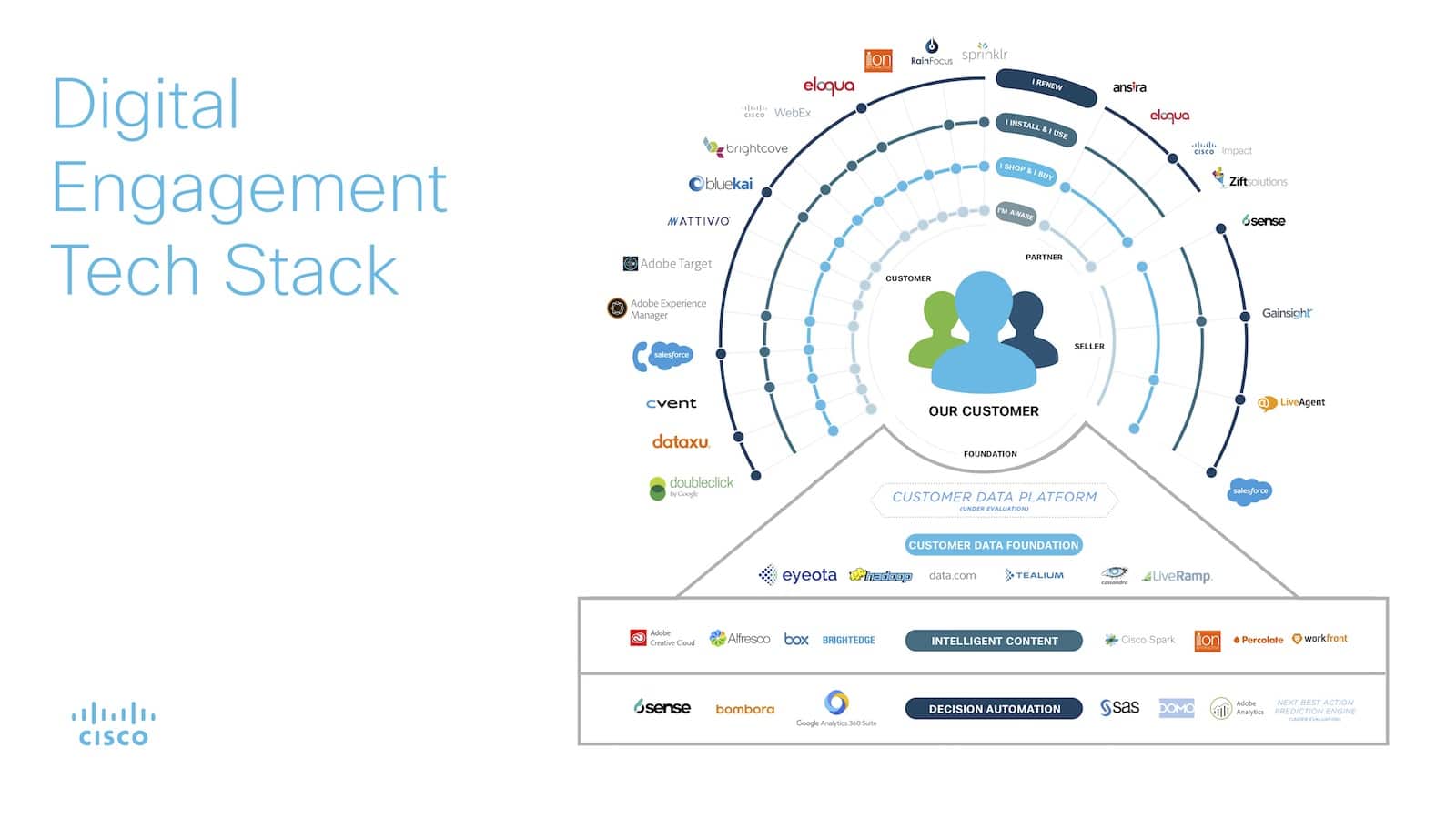
Enterprise Marketing Technology Stacks
As the digital marketing realm grows increasingly complex, large enterprises require sophisticated yet cohesive technology infrastructures to maximize efforts. A well-integrated marketing technology (martech) stacks streamlines processes across departments while gleaning invaluable customer insights. However, building out such a robust system demands strategic planning and precision.
To begin, companies must audit all current solutions
and map existing data flows to uncover technological blindspots or redundant tools. Furthermore, appointing a dedicated MarTech leader prevents fragmented purchases and ensures coherence. This purview individually evaluates each software’s utility alongside technology roadmaps to futureproof investments. Accordingly, a high-level architecture takes shape incorporating mission-critical and emerging platforms.
In the beginning, most stacks center around foundational systems such as CRM and marketing automation platforms. However, as needs and data sources proliferate, supplemental modules proliferate including analytics, DMPs, email marketing services and more. Successfully linking disparate programs poses constant problem-solving around API integrations, workflows and data accessibility. Meanwhile, legal and compliance check-ins prevent risking customer trust.
Likewise, important orchestration layers consolidate fragmented data into unified profiles.
Centralized event tracking via tag management systems captures off-site behavioral clues, while client-side tagging technologies uncover on-site insights. Together, these reveal intricate customer journeys previously invisible to separated systems. Identity resolution then transforms anonymous signals into unified customer records. With Duplicate detection and enrichment, profiles strengthen over time into comprehensive single views.
As the nerve center, a DMP stores all first- and third-party data within a security-focused data lake. Marketers then access pondered datasets with BI interfaces to fuel hypertargeted campaigns. Simultaneously, AI-poweredplatforms autonomously trigger personalized messages at optimal influence points. These complex chains require agile ops teams to ensure flawless performance under immense usage.
Moving forward, predictive technologies will reshape stacks centered around anticipating needs. Prescriptive recommendations and augmented planning tools guide intelligent next-best actions. Test-and-learn loops using content, offers and channels help maximize lifetime value while deepening loyalty. Additionally, bridging online and in-store habits with location-based tools creates holistic understanding of omnichannel behaviors.
In summary, well-oiled marketing ecosystems futureproof businesses by delivering consistent, contextualized engagements at scale. Continuously refining requirements and capabilities futureproofs the investment. Although assembling these distributed systems requires multidisciplinary coordination, the ensuing insights justify such exhaustive orchestration for enterprises.