
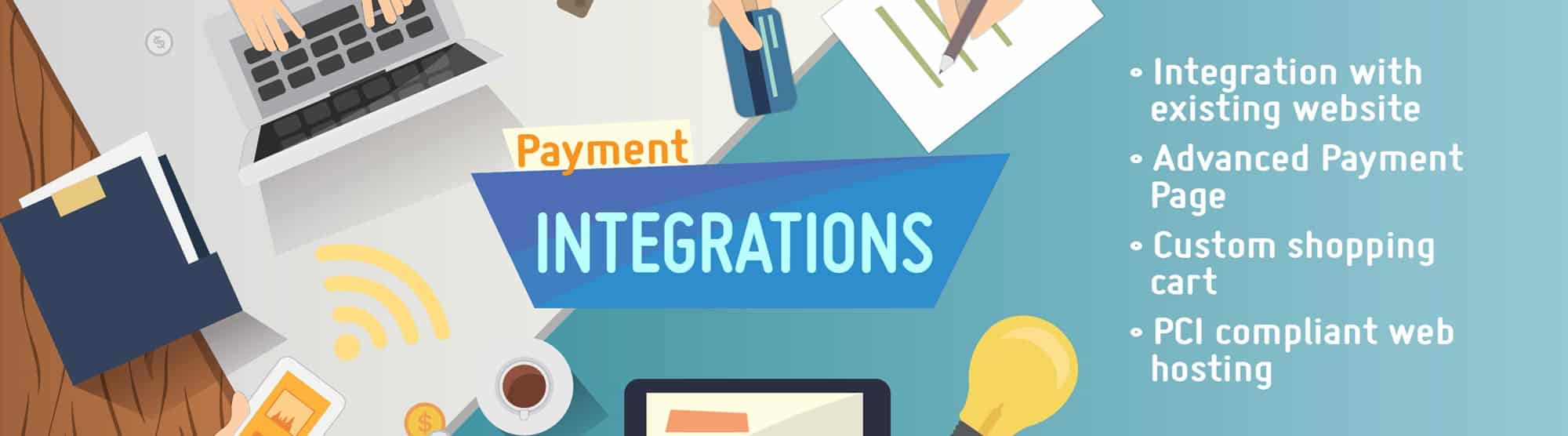
Payment Integrations in Web Development
As more commerce migrates online, developers face growing demand for seamless payment integrations processing on websites and apps. While foundational options exist, emerging technologies expand monetization opportunities beyond simple purchase buttons. Strategic integrations cater services specifically to unique business models.
Leading the way, Stripe provides building
blocks for all electronic payment types. Omnipresent checkout streams standardize the purchase funnel, hiding complexity. Customers easily pay with cards, digital wallets, or alternative payment methods globally without interruptingAs more commerce migrates online, developers face growing demand for seamless payment integrations processing on websites and apps. Similarly, Braintree bolsters dedicated shopping cart experiences.
Moreover, beyond singular transactions,
recurring billing solutions offer effortless subscription management. With only a few lines of code, platforms like Subscribify and Chargebee empower automated membership, loyalty programs or software-as-a-service. Intuitive dashboards audit authorized charges and cancellations. Tailored invoicing streamlines accounts receivable.
Alongside traditional checkout
, innovative schemas garner traction. Cryptocurrency Checkout simplifies accepting Bitcoin and altcoins as viable alternatives. Also, “Buy Now” buttons embed polarized payments directly into blog posts or social media to spur impulse spending. Interactive mobile wallets remove friction from point-of-sale scenarios. Splitting bills accommodates shared expenses through services like Tabble.
Yet implementations require caution regarding
security standards like TLS certificates, fraud protection and PCI compliance. Specialized providers assume liabilities for developers lacking payment expertise. Constant patches protect vulnerabilities as threats evolve with emerging attacks. User trust remains paramount, necessitating transparent policies and swift response to data breaches.
As 5G proliferates,
proximity-based interactions will facilitate tokenize on-location transactions. Embedded NFC tags could enable contactless mobile ordering and ticketing. Facial recognition streamlines in-store checkouts sans waiting in line.Also, Augmented reality tries virtual fitting rooms and interactive digital catalogs paid for using customized AR wallets.
In summary, addressing customers’ payment preferences strengthens conversions while preserving brand integrity. Also, Selecting specialized partners focused on modernizing the financial experience future-proofs experiences for shifting commerce landscapes. Responsible integrations safely empower optimized monetization models.