

Social Media Snackable Content
With short attention spans and overwhelming social feeds, creating “snackable” social media content has become essential to stand out and engage audiences. Snackable content refers to short-form, easily digestible posts that are optimized for social platforms. Rather than long blocks of texts or lengthy videos, snackable content comes in short bursts designed to be consumed in just seconds or minutes. By producing posts that are brief yet impactful, you can gain more views and interactions from users who want content they can quickly consume “on the go.” Short-Form Formats The most snackable kinds of social media content include: •Instagram Stories: Brief 15-second photos and
Why Core Web Vitals Matter for Your SEO?
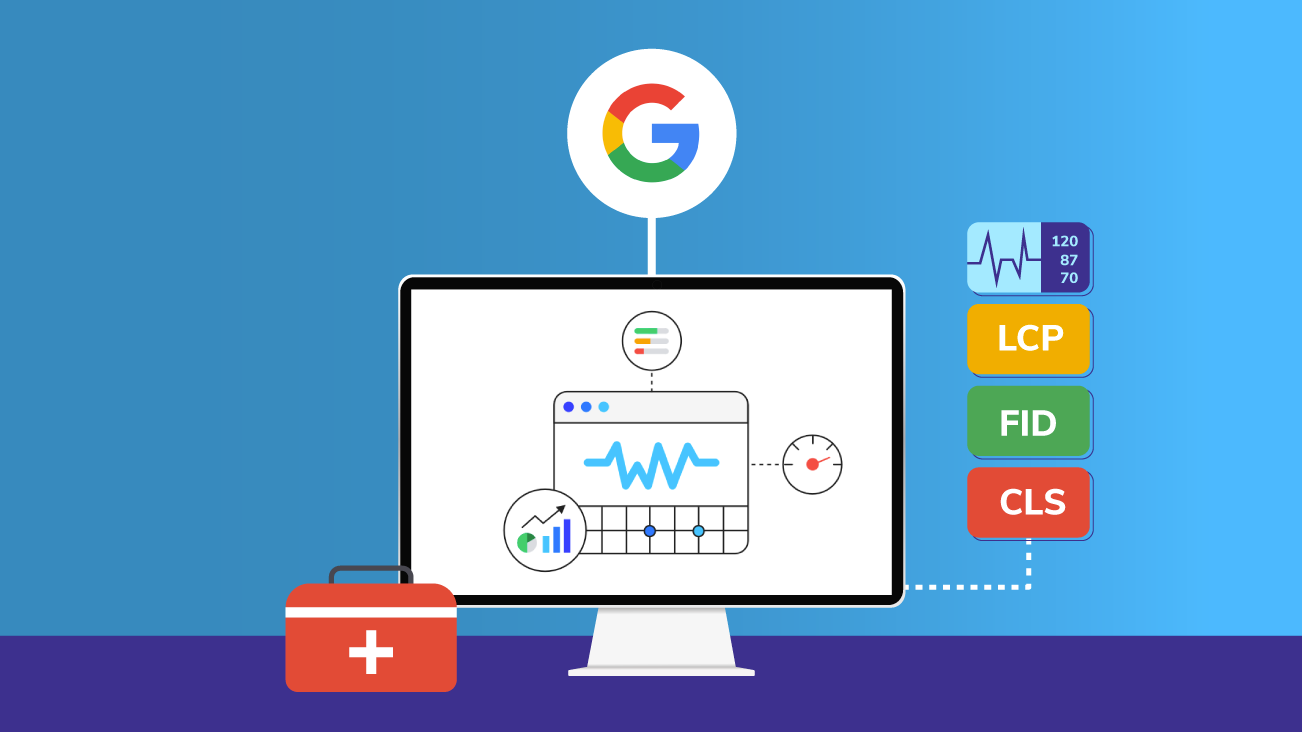
Google's focus on user experience through their Core Web Vitals metrics is one of the most important SEO trends to know about for the coming year. These metrics evaluate how quickly webpages load, how interactive they are and how stable the content remains - all key factors in a positive user experience. Pages that perform well according to Google's Core Web Vitals are more likely to show up in search results and rank higher. Conversely, pages with low Core Web Vitals scores may see their rankings decrease. So what exactly are Core Web Vitals? They consist of 3 key performance indicators: Largest Contentful
The Importance of a Welcome Series in Your Email Marketing
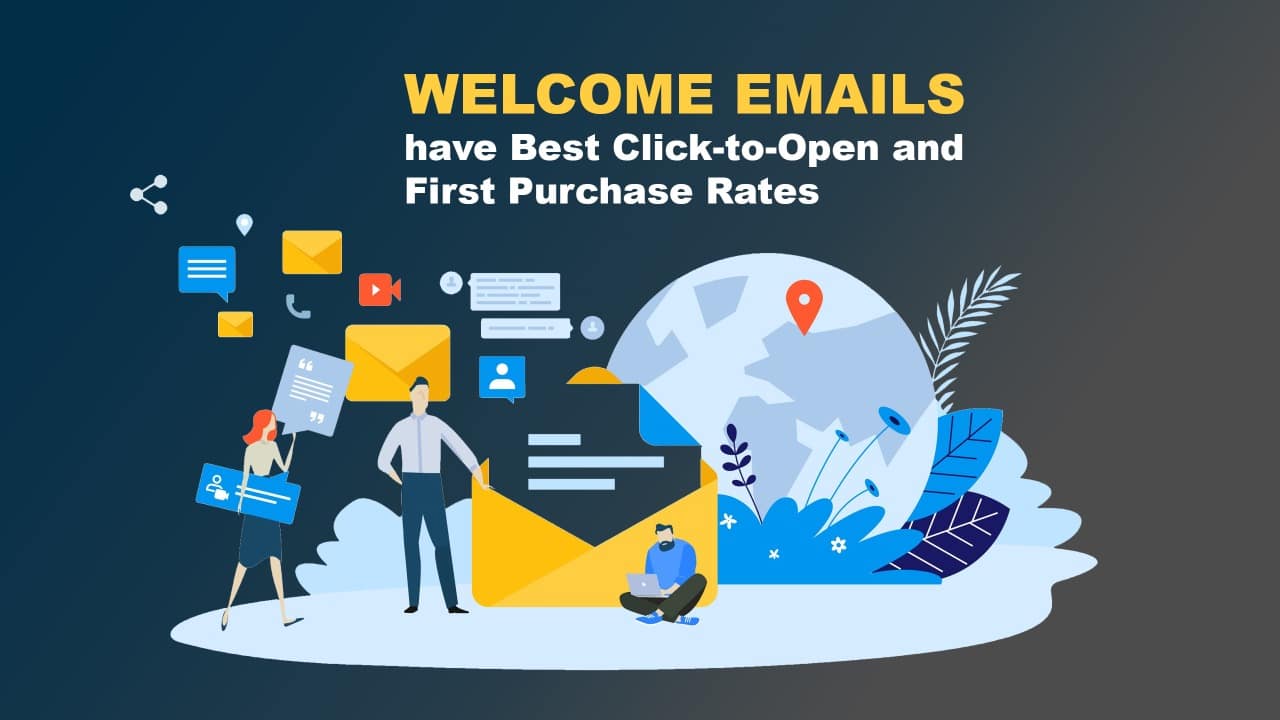
When a new subscriber signs up for your email list, it's the perfect opportunity to make a great first impression that encourages loyalty. Sending a welcome series - a set of automatic emails sent to new subscribers over their first weeks - can help turn them into long-term customers. Therefore, building a strategic welcome series should be a focus of any effective email marketing plan. In these initial emails, you can: Reintroduce your brand - Provide an overview of who you are, what you offer, and why you exist. Use your brand's unique voice to connect with new subscribers. Thank subscribers for signing
Paid Ads – Boosting Your Digital Marketing Strategy
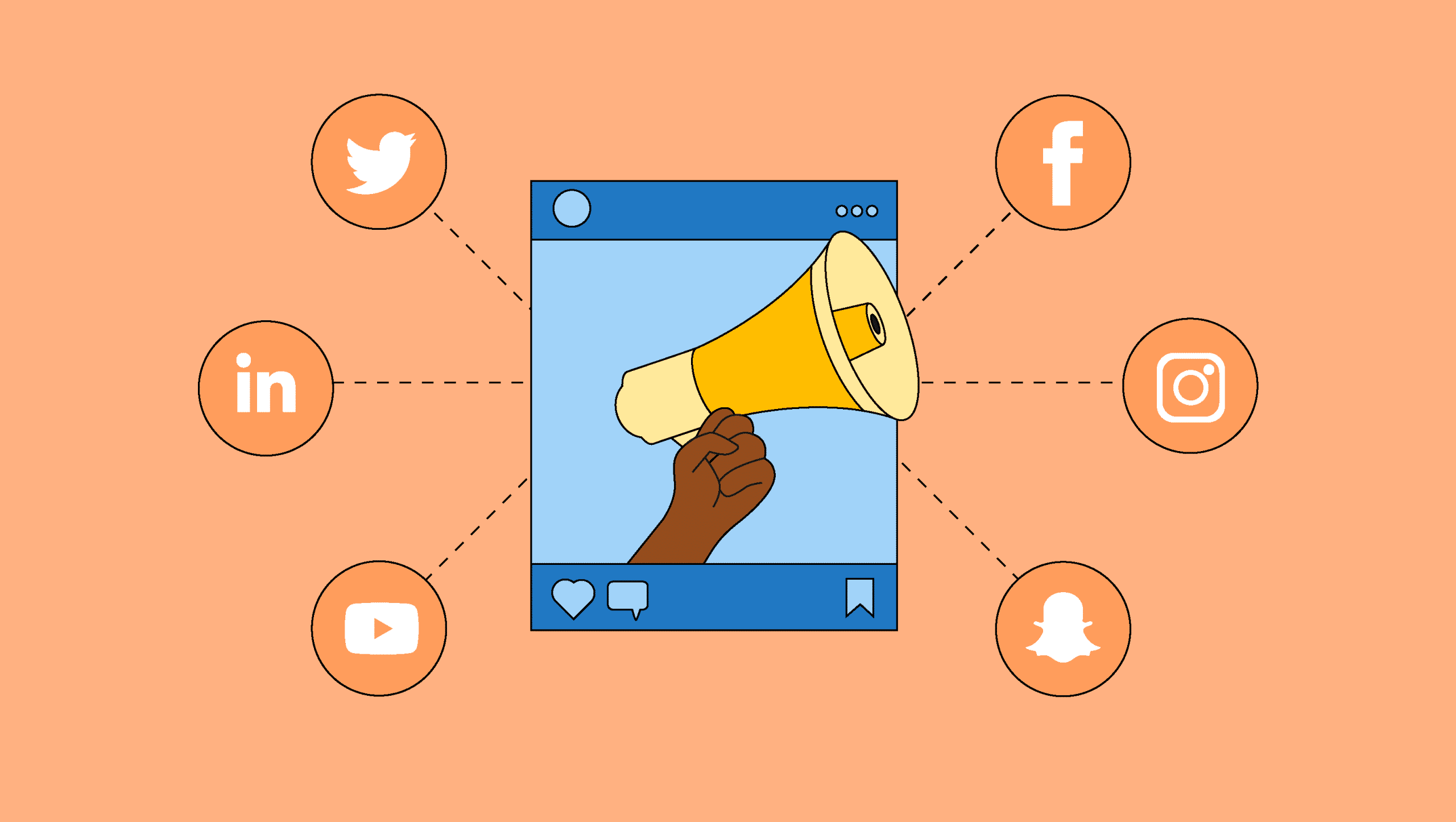
Digital marketers have many tools at their disposal to reach new customers. However, paid ads remain an effective means of generating high-quality leads and sales through targeted outreach. While paid ads require an initial investment, they offer advantages such as flexible budgets, measurable results, and the ability to test different ad types and platforms. To begin, compare the major platforms including search ads, social media ads, and display ads. Additionally, review its formats like banners, videos, and text options. Each ad type has pros and cons regarding cost, audience reach, and performance. Search ads They appear when customers conduct searches relevant to

Managing Multiple Business Accounts on Social Media
Having a presence on multiple social networks is essential for most businesses today. However, managing numerous profiles and accounts across different platforms can become overwhelming fast. Fortunately, there are strategies you can use to effectively handle your extended social media presence. From delegating roles to automating processes, these tips will help you organize and optimize how you manage multiple social accounts. First, create a social media calendar. Use a spreadsheet, Google Calendar or task manager to list all planned social posts across networks. This gives you an "at-a-glance" view of your content pipeline and ensures you don't post duplicate content to