

Rebranding Genius Campaigns
Changing a company's image or direction through a rebranding campaign can either be an epic failure or a complete success. These genius rebranding efforts successfully transformed brands through bold ideas and out-of-the-box thinking. Gap's New Logo In 2010, Gap Inc. unveiled a new logo and brand identity across all its stores. The iconic blue box logo was switched out for a sleek word mark in red. The rebrand effort, following low sales, was an instant hit. The new logo incorporated brighter colors and a modern, minimalist look. gap branded everything from shopping bags to clothing tags with the fresh new logo, creating a
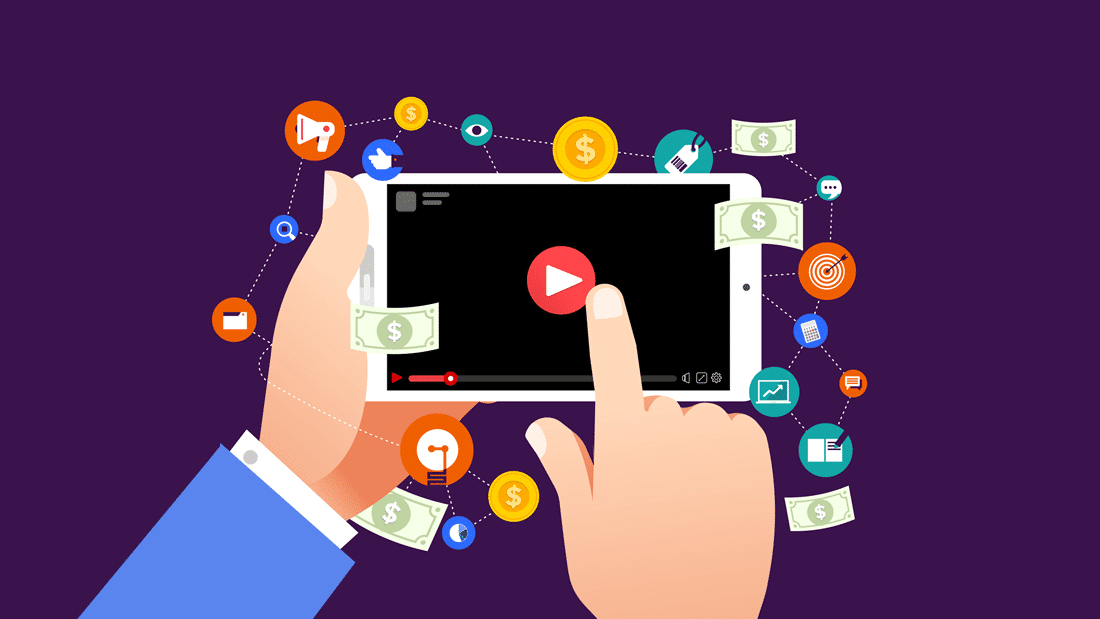
Video Content Marketing
Marketers are increasingly using video to grab customer attention and spread brand awareness. From short Instagram Reels to longer YouTube ads, video content is dominating as a marketing medium. Let's examine the rise of social media video marketing and why it's becoming so crucial for businesses. It Captures Attention Firstly, video content captures attention in a way that text and images cannot match. People absorb and retain information better when presented visually and auditorily. When viewers see and hear a brand's message in a video, they are more likely to pay attention and remember it. This makes video an ideal format for delivering
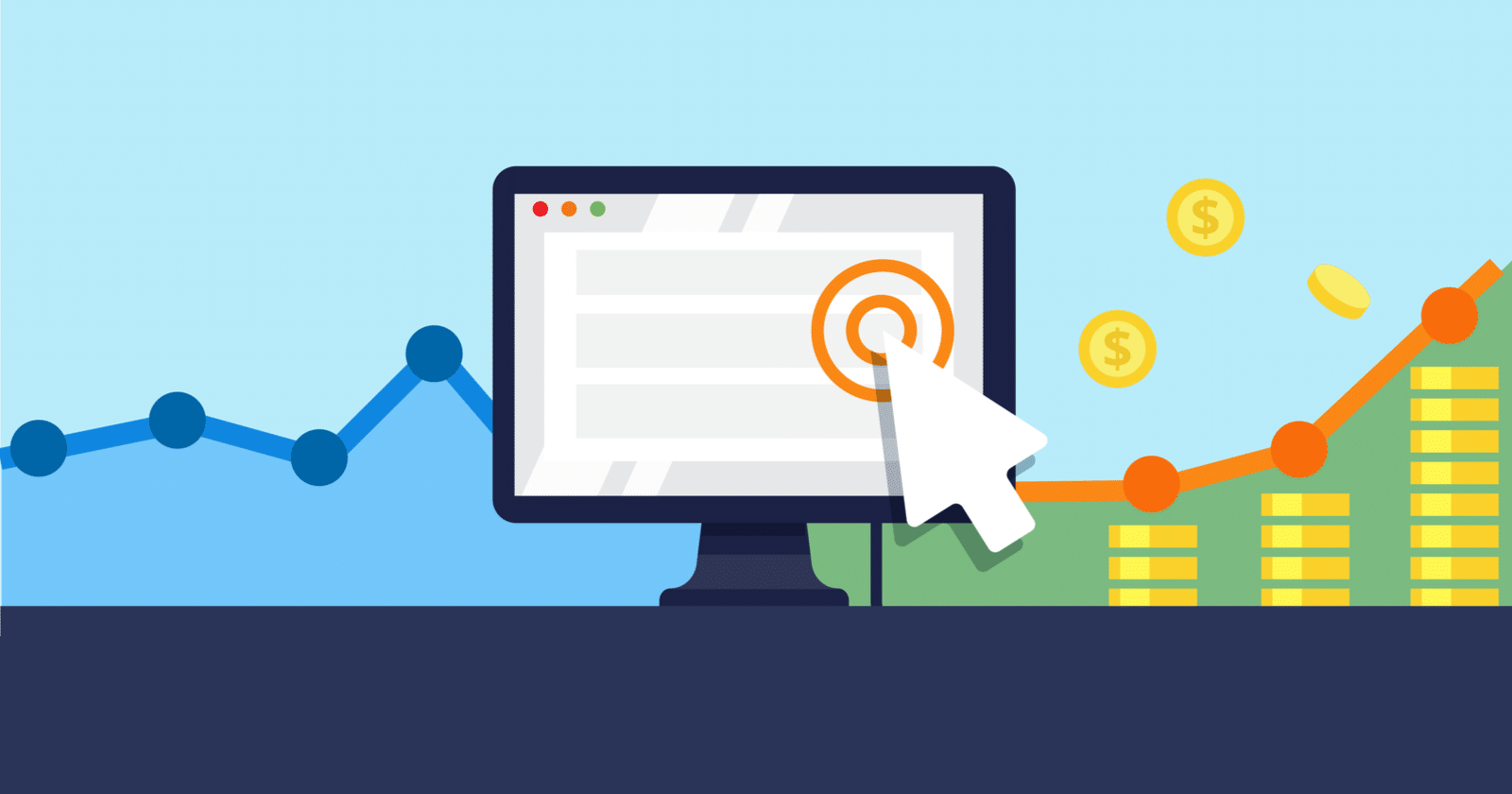
Keyword Bid Amounts for PPC Ads
The amount you bid for keywords in pay-per-click (PPC) advertising affects where your ads appear and how much traffic they receive. Let's examine word bids are and how to determine effective amounts. What is a keyword bid? Firstly, a keyword bid refers to the maximum amount you're willing to pay each time someone clicks on one of your ads that appears for a specific keyword search term. Search engines and other advertising platforms use your bids to determine ad rankings and placement. Higher bids generally yield higher ad positions and more traffic. Factors that influence bidding Several factors influence what should be an effective bid

Brilliant Email Marketing Campaign Examples
Email remains one of the most effective marketing channels for businesses of all sizes. However, standing out in an oversaturated market requires highly creative email campaigns. Here are some examples of brilliant campaigns that raised the bar for email marketing. Airbnb's Valentine's Day Email To celebrate Valentine's Day, Airbnb sent subscribers an email with an illustrated story about the unexpected love story behind their own home. The personal tale included prompts for recipients to click a button to read the "unique love story "of their own address. This simple,curious and personalized story elevated an ordinary promotional email. Barnes & Noble's Warm Fuzzy Hat

Improving Website’s Bounce Rate
Bounce rate is an important metric that measures how long visitors stay on your website. A high bounce rate indicates users leave quickly, negatively impacting key metrics like conversions and time on page. Let's examine what bounce rate is and how you can improve it. What is bounce rate? Firstly, this term refers to the percentage of visitors who land on your site and then leave ("bounce") without interacting further. It is measured by dividing the number of single-page visits by the total number of visits within a specified time period. When visitors view only the homepage and exit, it contributes to a