

Search Intent In SEO: How to Get It Right?
What is search intent? Search intent (also known as user intent) is the primary goal a user has when searching a query in a search engine. Many times, users are searching for a specific type of answer or resource as they search. Take pizza for example. Searching for a pizza recipe has a different intent than searching for a takeout pizza, which is also different from searching for the history of pizza. Though they all revolve around the same overall topic (pizza), these users all have different intents. Why is search intent important for SEO? Google cares about search intent The short answer is: Satisfying
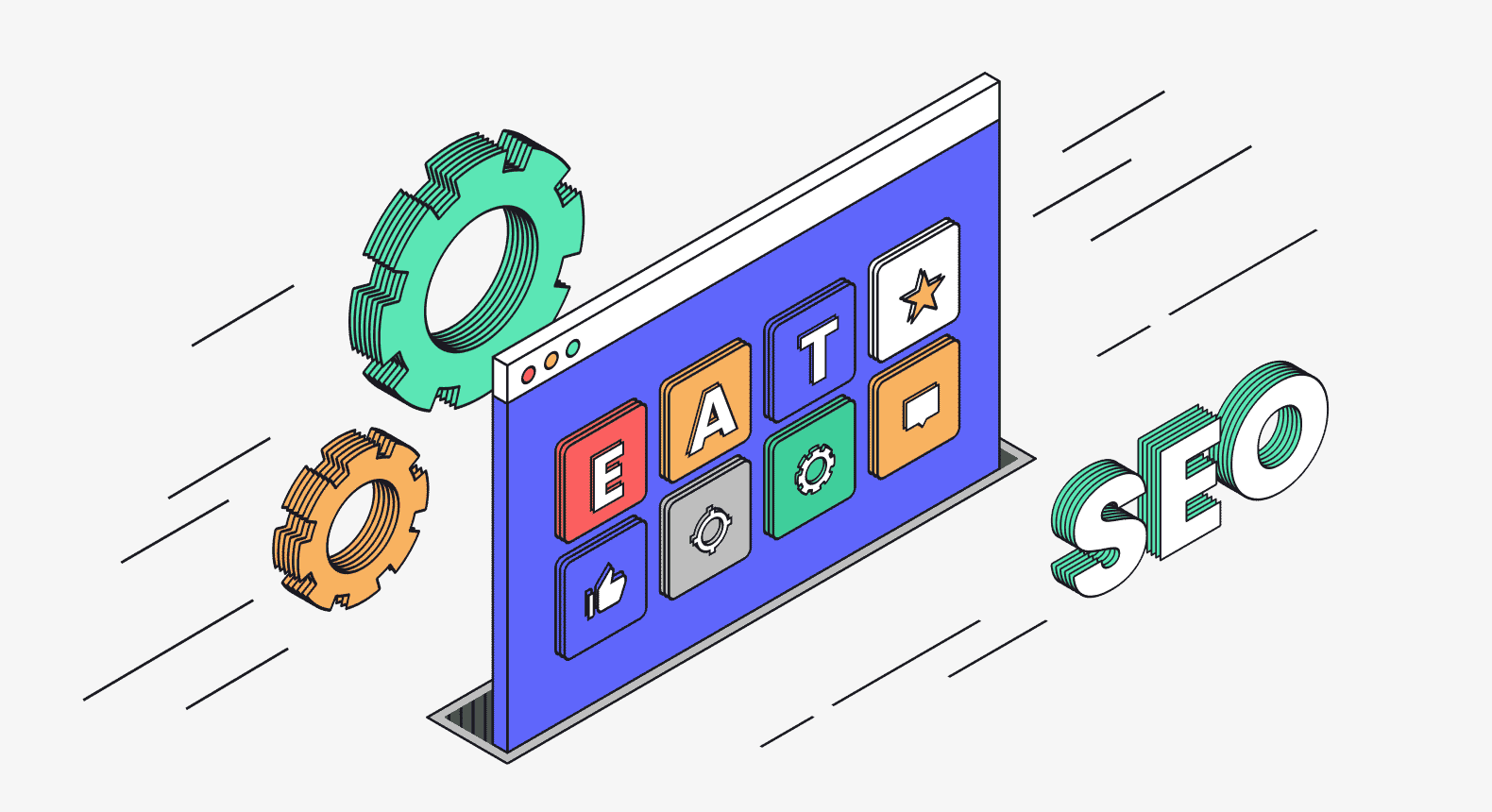
Why is E-A-T Important for SEO?
What is E-A-T? E-A-T- stands for expertise, authoritativeness, and trustworthiness. It comes from Google’s Search Quality Rater Guidelines—a 168-page document used by human quality raters to assess the quality of Google’s search results. Google published this document online in 2013 to “help webmasters understand what Google looks for in a web page.” To help you understand E-A-T better, let’s look at the meaning behind each of these terms: Expertise–a high level of knowledge in a particular field. It shows that the publisher has shared expert information. Authoritativeness–emphasizes the authority and reputation of the publisher and the marketing website itself. Expertise in a particular field, credentials, and reviews from

How to Start with Performance Max Campaigns?
What Is Google’s Performance Max? Performance Max is an ad campaign type that allows you to create a single campaign to promote your products across all of Google’s advertising channels. That means your ads are displayed across Google pages like search results, Maps, and Shopping. But that’s not all! Your ads are also shown on Google sites like YouTube, Blogger, Gmail, plus thousands of partnering websites. The primary difference between Performance Max and other ad campaigns is that Google automates the campaign targeting and delivery based on the information you provide. You can include: your product feed (a file with your product data), audience signals (potential customers’ interests, what they’re researching, or how they’ve interacted with your business), high-quality text, images, and video. Differences Between Normal

How to Launch a Successful eCommerce Website?
If you plan to start your venture online, you need an eCommerce website development checklist to not forget any of the key elements to implement.

The Pros And Cons Of Comparative Advertising
What Is Comparative Advertising? Comparative advertising is a type of advertising strategy in which a company markets its goods or services by comparing them to a competitor's brand. A comparative advertising campaign positions a brand's product as superior to a competitor's product. Common examples of comparative advertising include cost comparison, blind taste tests, customer reviews, and side-by-side visual comparisons. This is a common advertsing strategy among automakers, fast food chains, and tech companies. Advantages of Comparative Advertising Creates brand differentiation: If a company is operating in a market saturated with similar products, a comparative ad campaign can help make a company's product stand