

Web Component Libraries
Web component libraries can dramatically accelerate front-end development by providing pre-built, reusable UI components. From buttons to forms to charts, these libraries offer a vast selection of turnkey elements that require little custom styling. Using a web component library instead of building everything from scratch reduces development time while ensuring a consistent design system. Follow these best practices for adopting a web component solution. To get started, evaluate options based on your requirements. Consider factors like the library's component selection, customizability, documentation, ecosystem and support. Popular options include Bootstrap, Material UI, Semantic UI and Blueprint. However, many alternatives exist with different

Building Multilingual Websites for Web Development
As the web becomes more international, building websites that support multilingual is becoming a necessity for brands who want to reach customers worldwide. This means offering key information and functionality translated into the languages your target market speaks. Some things to keep in mind when developing multilingual websites: Plan for Internationalization From the outset, design your website's code, templates and architecture with localization in mind. Make sure all: •Text elements use variables that can be easily swapped out. URLs have language parameters that point to the right content. Forms store input in a standardized way across languages. Images and media have alt text in multiple languages. Layouts are

Harnessing the Power of Web Assembly
Web Assembly (Wasm) promises to fundamentally change the power of web applications are built. This new web standard allows code written in languages like C++, C#, Go and Rust to run directly in the browser at native-like speeds. Web applications have been built using HTML, CSS and JavaScript. However, JavaScript has performance limitations due to its dynamic and loosely typed nature. As a result, JavaScript can be up to 1000x slower than native code for CPU-intensive tasks. This has made it unsuitable for demanding workloads like complex games, scientific modeling and machine learning. However, Web Assembly aims to solve this performance issue.
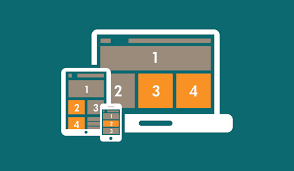
Adaptive and Responsive Web Design
In today's world of diverse devices with different screen sizes, it's essential for websites to adapt to any visitor's display through adaptive and responsive web design techniques. This ensures users have an optimized experience no matter how they access your site. Traditionally, web developers had to create separate mobile and desktop versions of websites with duplicate content. However, adaptive and responsive strategies allow a single website to automatically re-format its layout and elements based on the end user's screen size. With adaptive design, websites reformat content based on pre-defined breakpoints that match general screen sizes. So the same site may have: A mobile
Front-End Frameworks: Simplifying Web Development
As front-end web development has become more complex, with technologies like HTML, CSS, and JavaScript constantly evolving and adding new features, front-end frameworks have emerged to simplify and expedite the process. Here are some key reasons why frameworks like React, Vue, and Angular have become so important for modern web development: Reduce complexity. First, they abstract away much of the low-level details and complexities of the underlying languages. They provide higher-level components that are easier to work with. This makes development faster and less error-prone. Reusable components. Also,frameworks provide reusable UI components like menus, buttons, forms, modals, etc. that can be assembled