
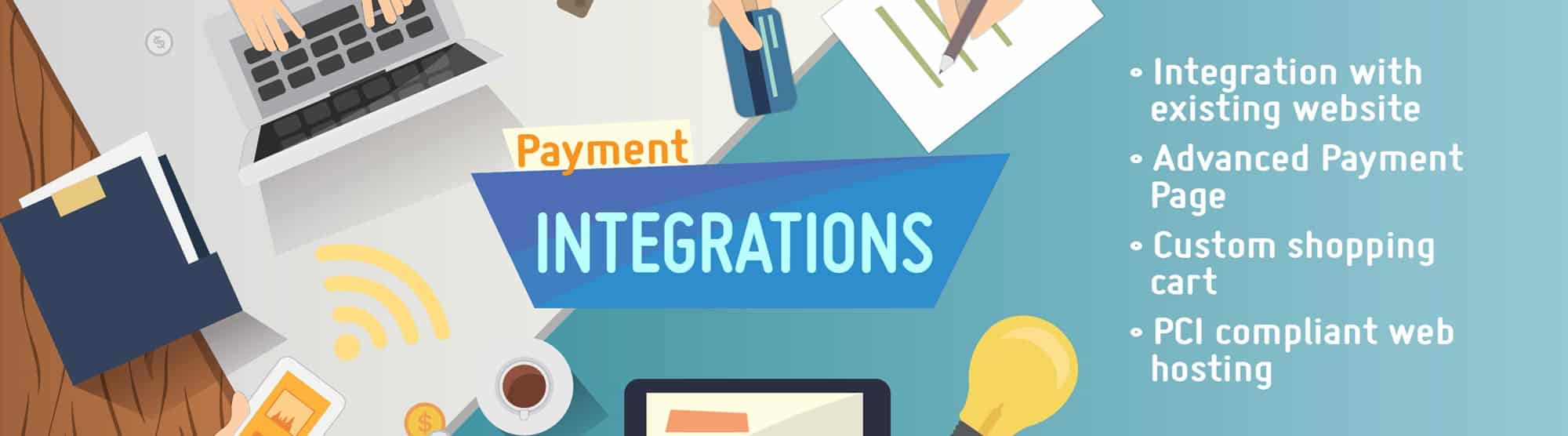
Payment Integrations in Web Development
As more commerce migrates online, developers face growing demand for seamless payment integrations processing on websites and apps. While foundational options exist, emerging technologies expand monetization opportunities beyond simple purchase buttons. Strategic integrations cater services specifically to unique business models. Leading the way, Stripe provides building blocks for all electronic payment types. Omnipresent checkout streams standardize the purchase funnel, hiding complexity. Customers easily pay with cards, digital wallets, or alternative payment methods globally without interruptingAs more commerce migrates online, developers face growing demand for seamless payment integrations processing on websites and apps. Similarly, Braintree bolsters dedicated shopping cart experiences. Moreover, beyond singular

Web Development: WebRTC
Real-time communication capabilities have transformed how people interact online. WebRTC brings these powerful features natively to web applications. Firstly, WebRTC enables embedding voice and video chat directly into websites development without plugins. Through simple JavaScript APIs, developers gain unprecedented abilities previously restricted to dedicated apps. Moreover, WebRTC defines protocols for direct peer-to-peer media streaming ideally suited for low-latency live exchanges. WebRTC permits screen and document sharing perfect for collaboration. Teachers conduct virtual classes, consultants co-browse clients’ screens, and remote assistance becomes feasible anywhere. Webcams double as scanners and whiteboards when needed. WebRTC’s flexibility even streams desktop capture for broadcasting sessions or
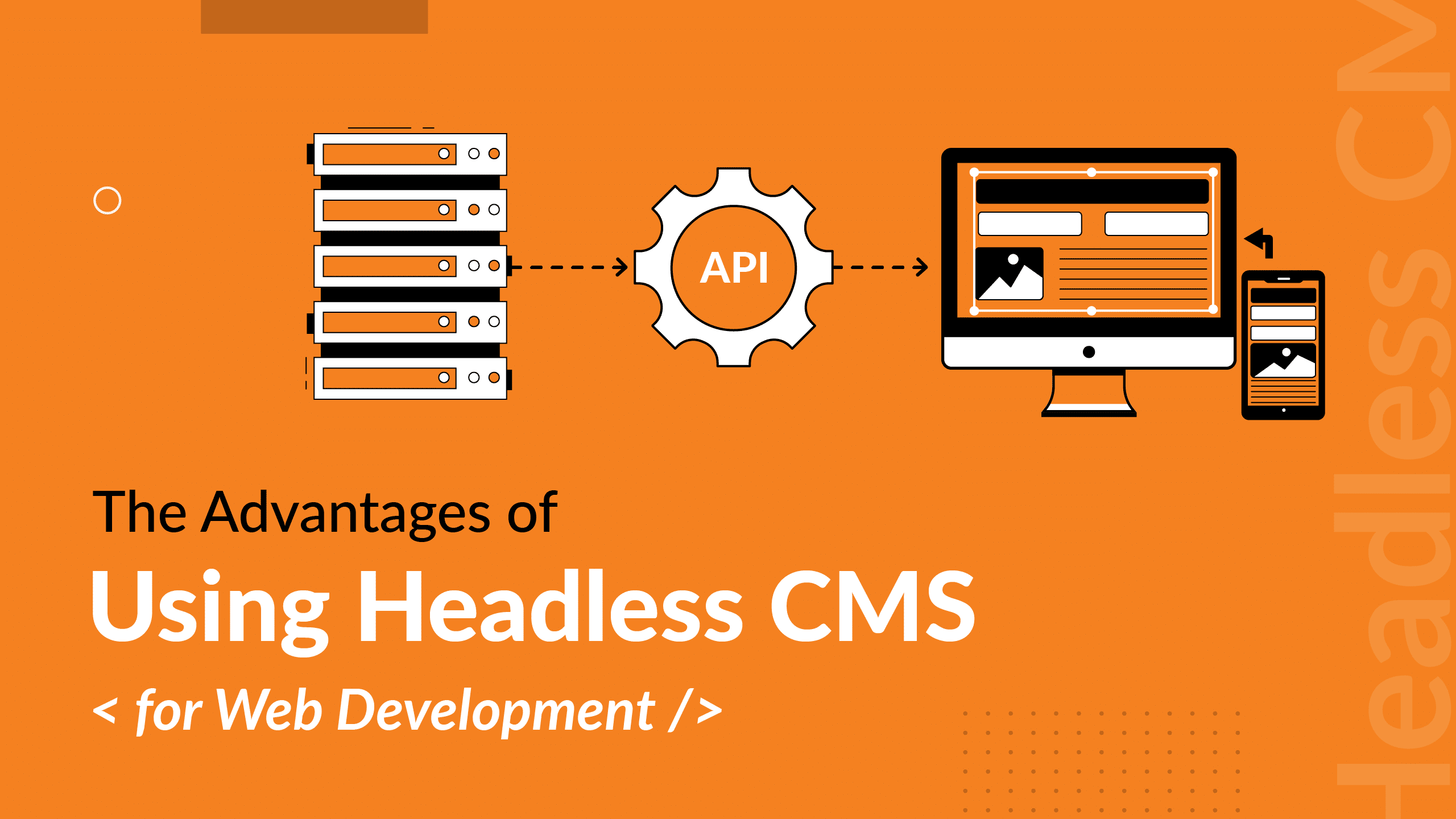
Benefits of Headless CMS for Web Developers
Content management systems (CMS) have long provided a user-friendly backend for non-technical users to manage websites. However, traditional CMS platforms are tightly coupled with their interfaces. Accordingly, they limit the choice of frontend frameworks. This inflexibility can constrain developers. Subsequently, newer headless CMS platforms decouple the web content storage from the presentation layer. Therefore, they provide APIs that enable connecting any frontend technology. This setup offers numerous benefits for developers. Traditional CMS Platforms In standard CMS platforms like WordPress and Drupal, the CMS: Both stores and displays content. •Uses its own HTML templates to render pages. •Relies on a monolithic, integrated interface. Thus, developers can only

Static Site Generators for Faster, Easier Websites
Building and managing modern websites has traditionally involved complex content management systems (CMSs) like WordPress and Drupal. However, an alternative approach known as static site generators is gaining popularity among developers. Static site generators compile websites from templates, data and code at build time rather than rendering pages on the fly. The resulting sites have key benefits around performance, development speed and security. Traditionally, dynamic websites utilize server-side technologies like PHP and Ruby to generate HTML pages in real-time when a visitor makes a request. While this approach provides flexibility, it has drawbacks like slower page loads, high server loads, and
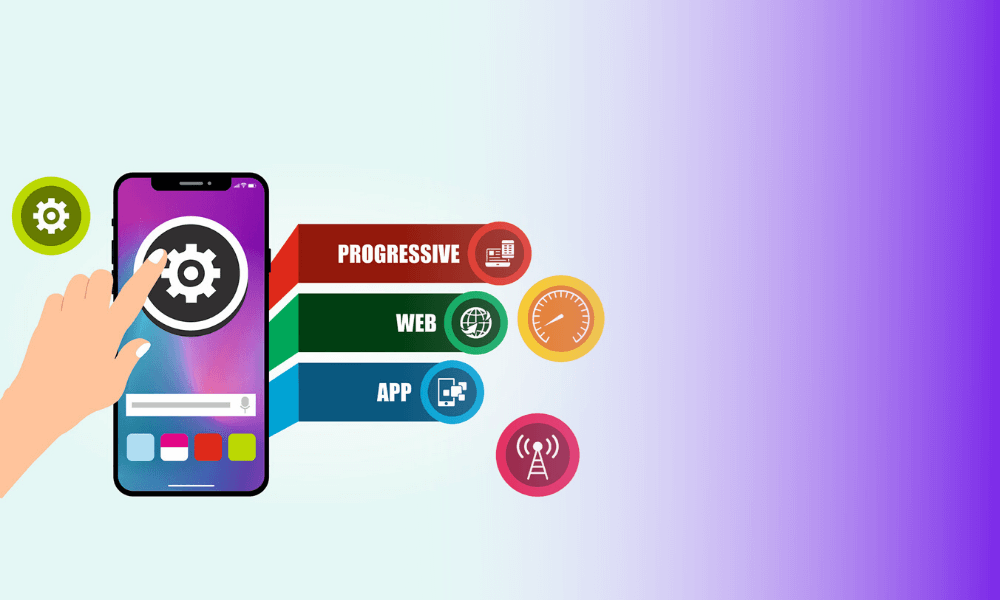
The Basics of Building Progressive Web Apps
Progressive web apps, or PWAs, combine the best of the web and mobile app worlds. By following certain design principles, web developers can create user experiences that are reliable, fast and engaging - essentially transforming a standard website into an "app-like" web app. Here are the basics of building progressive web apps. Make it installable. First and foremost, use a web app manifest to define how your PWA should behave and appear when installed. This includes an icon, name, start URL and other settings. Browsers can then detect the manifest and prompt users to add the web app to their home