
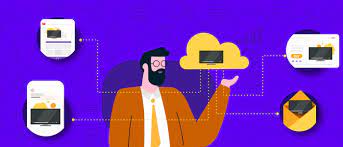
Orchestrate Effortless Campaigns with Marketing Automation
Keeping track of customer interactions across multiple channels like email, web, mobile, social media and more has become increasingly complex for marketers. However, marketing automation solutions can help orchestrate effortless synchronized, relevant multi-channel campaigns that enhance the customer experience without adding extra effort. The key benefits of marketing automation for multi-channel campaigns include: Segmentation and personalization at scale - Automatically segment large audiences based on past behaviors and deliver personalized messages across different channels tailored to each segment. Triggered actions - Set up rules so that specific customer actions like website visits, form submissions trigger follow-up communications through the optimal channels. Nurture campaigns -
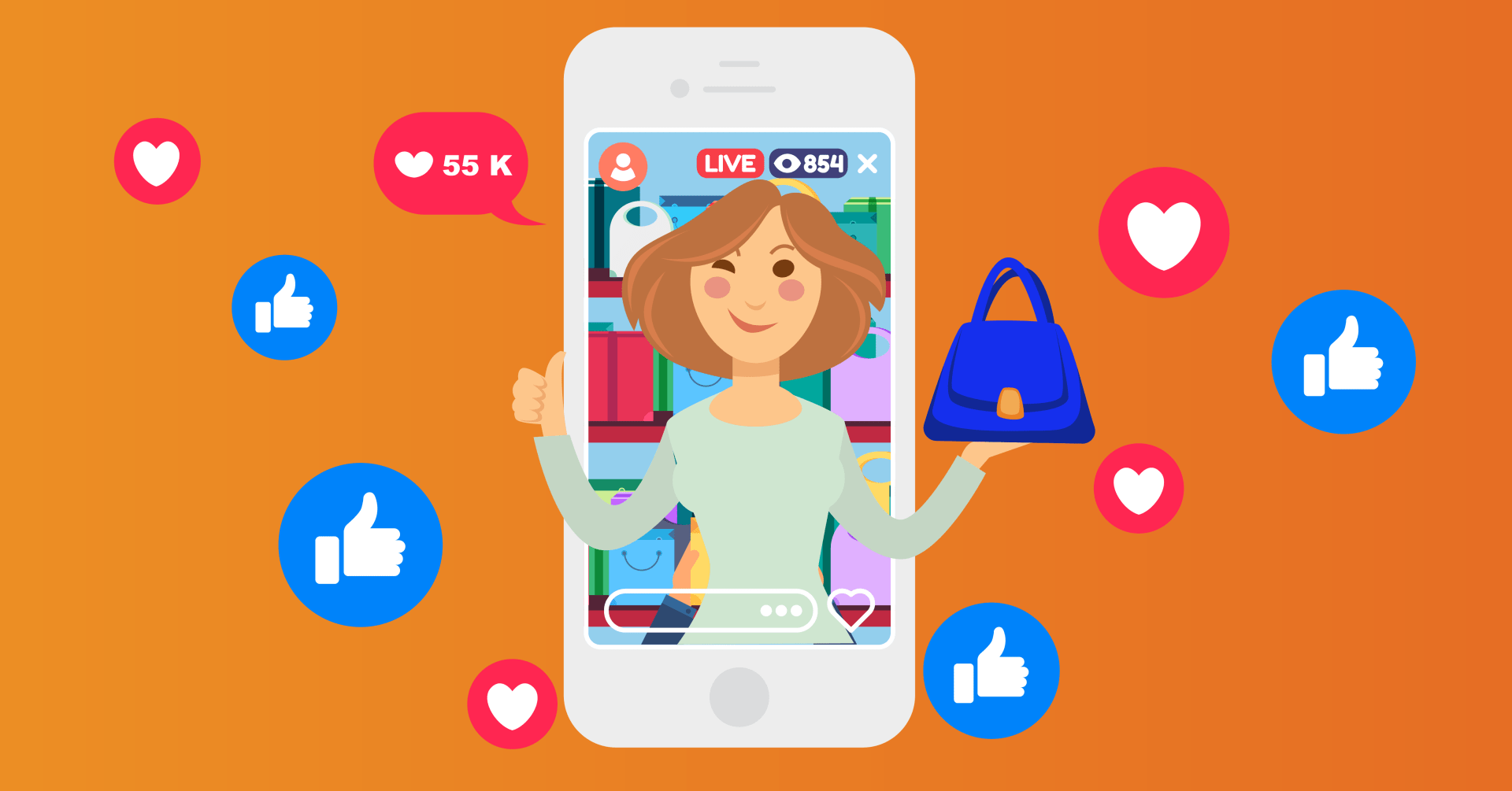
Live Streaming Commerce in Digital Marketing:
Live streaming has transformed how people consume media and connect with each other online. Now, livestreaming is also emerging as a powerful channel for e-commerce through a trend known as live streaming commerce. Leveraging the interactive and social aspects of live video, businesses are engaging customers and driving sales in new innovative ways. Live streaming allows products to be demoed in real time. Customers can interact with presenters and ask questions as products are modeled, reviewed and tested live on camera. This level of authentic demonstration boosts trust for new and complex products. Live try-ons and beauty tutorials particularly resonate for

Mastering TikTok Marketing: How to Tap Into Gen Z and Beyond
TikTok mastering has seen explosive growth in recent years, quickly becoming a force in digital marketing. The short video app now has over 1 billion active users globally with huge opportunities for brands. Successfully marketing on TikTok requires understanding the unique culture, tools and strategies that work on the platform. Follow these steps to master TikTok marketing and tap into the massive Gen Z audience. Study TikTok trends and memes. Gen Z users follow trends that go viral very quickly, so pay attention to any hashtags and sounds that are trending. Follow popular users in your niche to see what content
Hyper-customization: Creating Tailored Experiences in Digital Marketing
Marketers today have access to huge amounts of data that allows for unprecedented levels of customer insights and personalization. Hyper-customization leverages these insights to deliver extremely tailored and customized experiences for each individual consumer. Through tools like artificial intelligence, machine learning and big data analytics, brands can gain a holistic view of customers and target them with precision. This type of personalization has become a key strategy in digital marketing to gain a competitive edge. Hyper-customization focuses on customer data. First, brands collect data from various sources including purchase histories, website visits, app usage, social profiles and surveys. Data covering demographics,
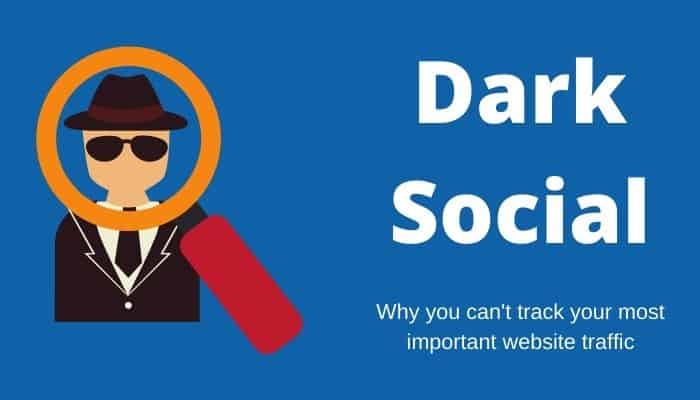
Dark Social Traffic and the Future of Digital Marketing
Traditionally, digital marketers have focused their efforts on areas like search engine optimization, social media, and content marketing to drive traffic and engagement. However, dark social traffic is growing at an alarming rate and represents part of that “invisible web” outside the reach of conventional marketing channels. As dark traffic accounts for an increasing portion of overall referrals, marketers must adapt new strategies to identify and capitalize on this source. Essentially, dark social refers to traffic generated from non-search and non-marketing sources. Dark traffic includes content that is directly shared between users via messaging apps like WhatsApp, Facebook Messenger, WeChat, Snapchat