

Digital Marketing: Agile Marketing
Digital Marketing and the Benefits of Agile Marketing Agile marketing is an approach to marketing that emphasizes flexibility, adaptability, and collaboration. It's a way of working that allows digital marketers to respond quickly to changing market conditions, customer needs, and business objectives. In this article, we'll explore the benefits of agile marketing for digital marketing and how to get started. What is Agile Marketing? Agile marketing is a methodology that is inspired by agile software development. It's based on the principles of collaboration, flexibility, and rapid iteration. Agile marketing allows teams to work together in short cycles, delivering value quickly and responding to feedback and changing market conditions. Benefits of Agile

Digital Marketing: Use Forums
Maximizing Your Digital Marketing Potential: Harnessing the Power of Forums Forums are online communities where people can discuss and share information on a specific topic. As a digital marketing tool, forums can be a valuable way to engage with your target audience and build brand awareness. In this article, we'll take a closer look at how to use forums in digital marketing and provide tips on how to effectively engage with your audience. Why Use Forums in Digital Marketing? Forums provide a platform for businesses to connect with their target audience, share information, and build relationships. By participating in relevant forums, businesses can establish themselves as thought leaders

Digital Marketing: Blogging
Unlocking the Power of Blogging in Digital Marketing: Tips and Strategies for Success Blogging is a powerful digital marketing tool that can help businesses to increase brand awareness, drive website traffic, and establish thought leadership in their industry. In this article, we'll discuss the importance of blogging in digital marketing and provide tips on how to create a successful blog that engages your target audience and supports your business objectives. Why is Blogging Important in Digital Marketing? Blogging is important in digital marketing because it provides a platform for businesses to share their expertise, connect with their target audience, and drive traffic to their website. By creating high-quality blog content that addresses the
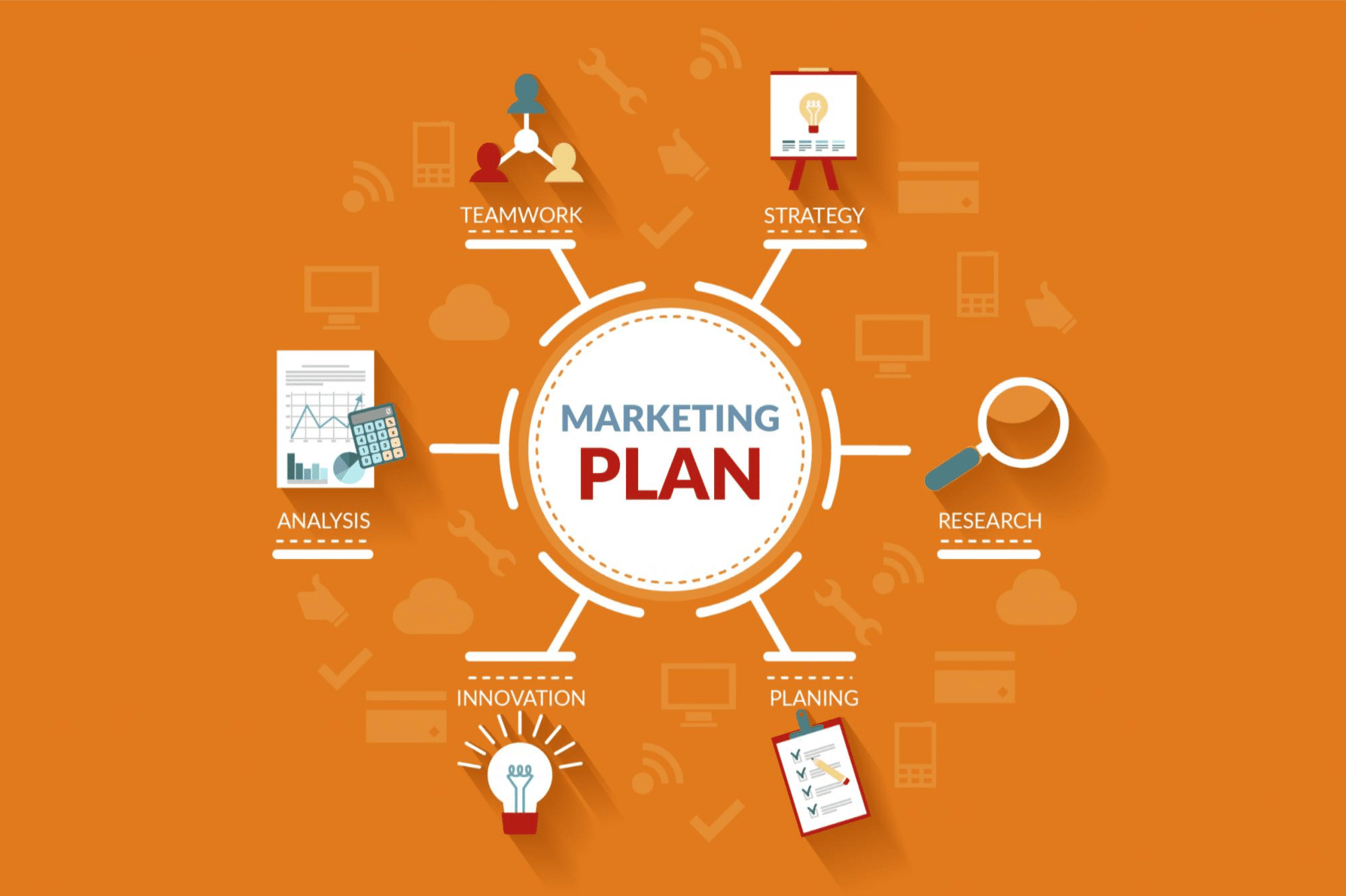
Digital Marketing: Content Planning
Crafting a Winning Digital Marketing Content Plan: Strategies and Examples Digital marketing content planning is a crucial aspect of any successful digital marketing strategy. It involves creating a roadmap for your content marketing efforts, including the type of content you will create, when it will be published, and how it will be promoted. In this article, we'll take a closer look at the importance of content planning in digital marketing and some key steps to creating an effective content plan. Why is Content Planning Important in Digital Marketing? Content planning is important because it helps you to stay organized and focused on your goals. By planning ahead, you

Digital Marketing: Goal Setting
Setting SMART Goals for Digital Marketing Success: Strategies and Examples Digital marketing has become an essential part of any business's marketing strategy, but simply having a presence online is not enough. To be successful in digital marketing, it's important to set clear goals and objectives. In this article, we'll discuss the importance of digital marketing goal-setting and how to set actionable, measurable goals that align with your overall business strategy. Why is Goal Setting Important in Digital Marketing? Setting clear goals is important because it helps you align your digital marketing efforts with your overall business objectives. Without clear goals, it's difficult to measure the success of your digital marketing