

Unlocking Global Opportunities with International SEO
In the interconnected world of the internet, expanding your online presence beyond borders has become essential for businesses seeking to tap into a global audience. International SEO is the key to optimizing your website's visibility and attracting organic traffic from different countries and regions.
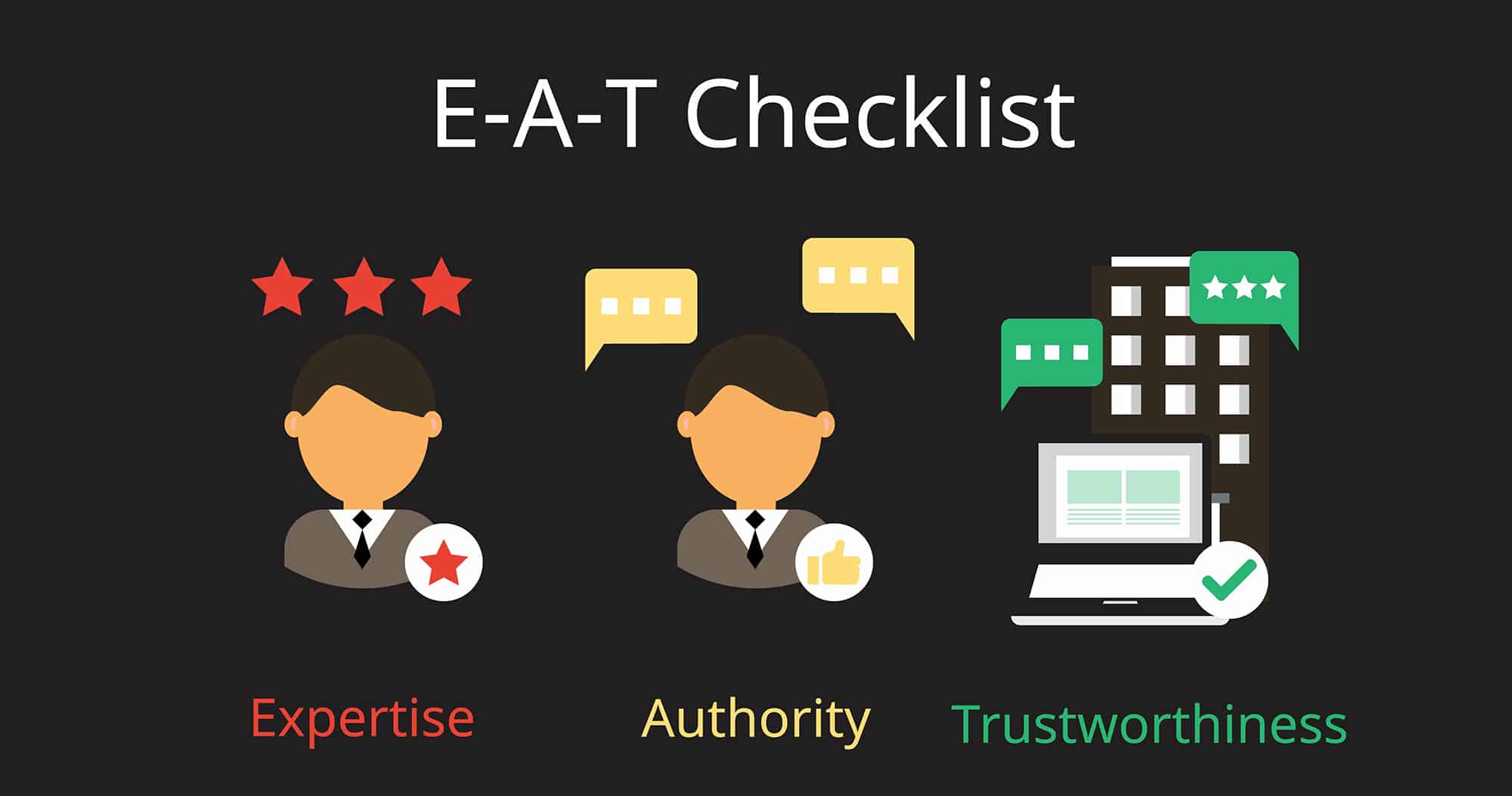
Enhancing SEO with E-A-T
In the realm of SEO, the concept of E-A-T (Expertise, Authoritativeness, Trustworthiness) has emerged as a crucial factor in determining search engine rankings. In this blog, we will explore the significance of E-A-T in SEO and discuss strategies for enhancing authority and trustworthiness to improve search visibility and credibility.

SEO: Unraveling the Significance of Core Web Vitals
In the ever-evolving landscape of search engine optimization (SEO), staying ahead of the curve is crucial for online success. Core Web Vitals have emerged as a vital component of SEO, focusing on the user experience and website performance

SEO Best Practices for Travel Websites
Numerous travel brands vie capturing booking searches, necessitating tactful marketing aligning messages specifically. Generic optimizations fail suiting travelers’ unique intents fast requiring customized expertise.

Dark Markup SEO
As digital content expands beyond HTML, embracing diverse formats strengthens discoverability. Structured data grants search engines comprehending non-traditional documents aiding navigation. Progressive strategists optimize unindexed assets reaching varied user needs. Dark markup illuminates obscurities driving relevant connections for all. To begin, PDF catalogs embed schema detailing products and specs. Buyers scan exhaustive listings amid search results instead separate downloads. In addition, eBooks embed schema conveying chapter summaries and reviews. Readers evaluate interests from snippets instead imported citations.To begin, dark PDF catalogs embed schema detailing products and specs. Buyers scan dark exhaustive listings amid search results instead separate downloads. In addition, eBooks