

Social Media: Instagram Pictures
The visual nature of Instagram lends itself well to expressing the core personality and essence of your brand through the types of pictures you choose to post. Thoughtfully curated Instagram content that embodies your brand's identity can boost customer connection and increase follower engagement. Use Authentic, On-brand Imagery Firstly and above all, the pictures you post on Instagram should reflect your company's authentic brand identity in a visual way. Show scenes from your workplace that reveal the culture you have built. Feature your products in real-life settings that capture your ideal customer in action. Shoot pictures during operations that give viewers a

Best Times to Post on Social Media
Knowing the optimal times to post on social media platforms can help boost engagement with your target audience. Different networks have their own rhythms and patterns that dictate when users are most active. While there is no single "best" timing to post that works for every brand, analyzing when posting of high performing accounts and looking at audience behavior can reveal timeframes that tend to perform well. Best Times to Post on Facebook For Facebook, the optimal timings to post vary based on your target audience and their demographics. However, some optimal time windows tend to be: Between 10 am to 12 pm
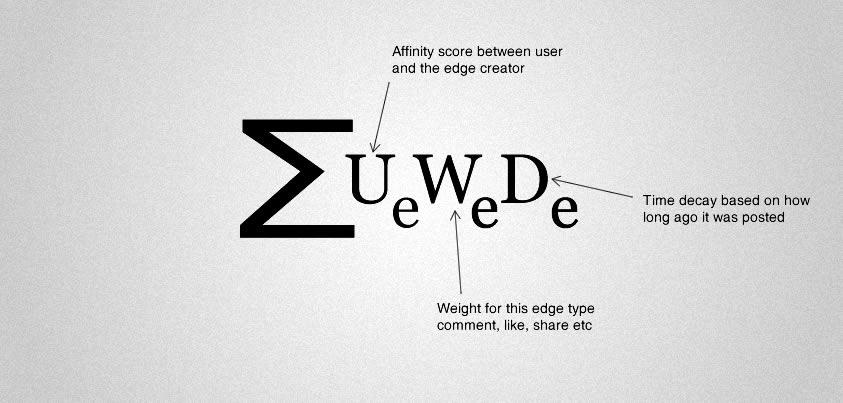
Facebook EdgeRank
Facebook EdgeRank is an algorithm that determines what posts show up in users' News Feeds. It aims to show users the content most likely to be relevant and interesting to them. However, EdgeRank has implications for businesses that use Facebook to promote their pages and posts. Understanding how EdgeRank works can help you determine if optimizing for it is worthy of your efforts. How Facebook EdgeRank Works EdgeRank assigns a score to every post based on signals like: The type of connection between the user and the post's creator The number of comments, likes and shares a post receives How recently a user

Promoting Blogs on Social Media
If you want readers for your website blog, social media promotion is essential. You can share on platforms like Facebook, Twitter, Instagram and LinkedIn. They can help drive traffic and grow an audience for your content. By posting and sharing your blog posts across social media, you raise awareness of your brand and website. An active presence on multiple channels can boost engagement and readership over time. Which Social Platforms to Prioritize Not all social networks are equal in terms of whether they can benefit your blog. Prioritize the following platforms: Facebook - With its large user base, Facebook is ideal for sharing

Following Social Media Trends & Algorithm
Social media is an ever-evolving landscape, with new trends and algorithms emerging regularly. As a result, it can be challenging to stay up to date with the latest developments and make informed decisions for your social media marketing strategy. However, it's crucial to stay informed to avoid falling behind the competition and missing out on potential opportunities. Follow Industry Leaders and Influencers Firstly, one of the best ways to stay up-to-date with trends and algorithms is to follow industry leaders and influencers. These individuals often have insider knowledge and insights into the latest developments in the social media world. Follow them on