
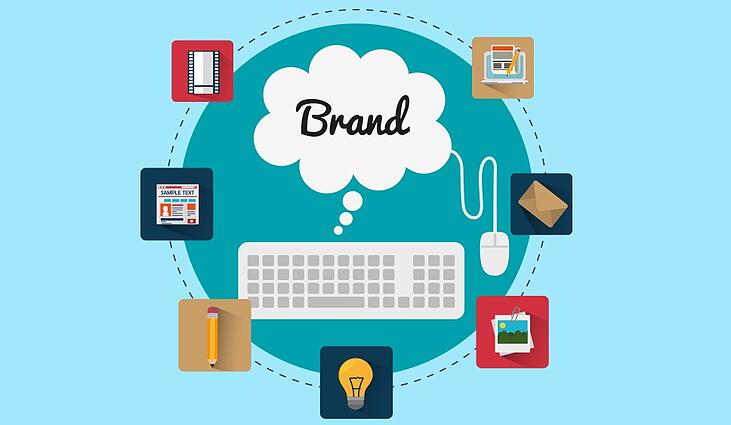
How Brand Association Can Benefit Your Brand?
What is Brand Association? Brand association is the co-relation of a brand with a certain concept that a consumer recalls when he comes across that brand. The consumer recalls a brand by using the unique set of attributes, experiences, images, etc. that make the brand stand out. This unique set can include a concept, emotion, object, experience, personality, relation, human, thing, or image. It can be tangible or intangible. It can be directly related, indirectly related, or totally unrelated to brand’s offerings. But it is something that makes the customer remember and recognize the brand. Importance of Brand Association: Brand associations are a vital

What is Brand Salience?
Brand Salience The term “brand salience” refers to a key performance indicator that shows how readily consumers think about or otherwise consider your brand when making a related purchase decision. Do they picture you, or does it seem more natural to buy from one of the other guys? High brand salience means people instinctively think of your products when they’re in the market for something similar. Low brand salience, on the other hand, can mean people either don’t know of your brand or haven’t been exposed to it enough for purchasing from you to be second nature. How Does Brand Salience Differ from Brand Awareness? Although brand

Brand Development Process: 6 Steps to Get Started
What is Brand Development? Brand development is the process of maintaining the quality, distinctive marketing assets, and consumer trust of a brand. Brand development is an ongoing process of serving consumers. A brand development is never “done.” There are steps to brand development, but great brands revisit their brand development constantly – and everything they do is informed by the brand they want to maintain. Your brand is your business’s personality, and it’s always in development. Why is Brand Development Important? The art of branding hits every facet of a business, from customer interactions to employee relationships. The way a brand is viewed amongst its employees
What is a Green Marketing?
Green Marketing Green marketing refers to the practice of developing and advertising products based on their real or perceived environmental sustainability. Examples of green marketing include advertising the reduced emissions associated with a product’s manufacturing process, or the use of post-consumer recycled materials for a product's packaging. Some companies also may market themselves as being environmentally-conscious companies by donating a portion of their sales proceeds to environmental initiatives, such as tree planting. Goals of green marketing Implementing sustainable business practices Demonstrating social responsibility Reducing expenses (packaging, transportation, energy/water usage, etc.) Demonstrating how safe and mindful products or services are Benefits of Green Marketing: Appeals to

12 Brand Archetypes for Business Growth
What are Brand Archetypes? Brand archetypes are human character traits that most accurately reflect a brand. There are twelve brand archetypes: The Outlaw, Creator, Magician, Hero, Lover, Jester, Everyman, Caregiver, Ruler, Innocent, Sage, and Explorer. The idea comes from the psychological theories of Carl Jung, a 20th-century Swiss psychiatrist, and psychoanalyst. He believed that people have one dominant trait that leads to typical behavioral patterns, desires, values, and motivations. The 12 Brand Archetypes The Innocent The first of the brand archetypes is “The Innocent.” This is a positive personality with an optimistic outlook. These brands are usually pure, somewhat naïve, and happy, with strong moral values.