

BeReal Clone Apps
In recent months, a new form of social media has emerged that aims for authenticity above heavily curated content. BeReal clone apps popularised the concept ofCandid Social by prompting users daily to share an unedited photo within 2 minutes. Though simple in design, it struck a nerve amongst users craving more genuine exchanges than perfectly posed Instagram feeds. Naturally, competitors soon followed hoping to capture this authenticity-seeking audience. As such,BeReal clones like Voilà and Twist have entered the scene intent on improving and expanding the candid idea. Voilà operates similarly to BeReal by sending all users a notification at random times

NFTs: The Future of Social Media?
Non-fungible tokens, or NFTs, have taken the future art and collectibles world by storm. These digital tokens allow people to buy and sell ownership of unique digital items like images, audio clips, and even social media posts. With so much hype around NFTs, some speculate they could reshape social media as we know it. Here are 3 ways NFTs may impact and transform the future of social platforms. Verifying Ownership of Posts Currently, when people share memes, photos or videos on social media, they have no way to prove who truly created the content. This technology can provide a way for social

How Curated Lists Can Boost Your Social Media Strategy
In an age of information overload, creating and sharing curated lists can be a powerful yet underutilized social media strategy. they can organize helpful resources, recommendations and useful information in a specific niche or category can provide great value for your followers and grow your credibility as an expert. Moreover, Here are 5 key ways curated lists can boost your social media presence. Why Lists Are Engaging Curated lists appeal to human psychology in several ways: •Reduce choices. First,they simplify complex options by filtering down to vetted essentials. People appreciate reduced decision fatigue. spark interest. Then, Curated options pique curiosity by highlighting only what
Display Advertising in Your Digital Marketing Strategy
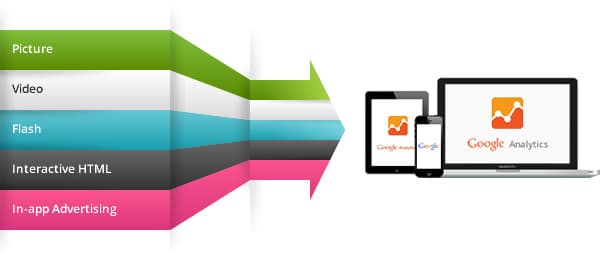
As more consumers spend time browsing and engaging online, display advertising has become a highly effective way for brands to target audiences at scale across various digital platforms and websites. While not always the first format that comes to mind when thinking of digital marketing tactics, display ads deserve a prominent place in any well-rounded strategy. Consider these benefits of incorporating display advertising. How Display Ads Work Display ads, which include formats like banner ads, video ads and native ads, are placed programmatically on websites and in mobile apps based on the interests and characteristics of users as they browse online. This
Virtual Events: A Powerful Tool for Digital Marketing
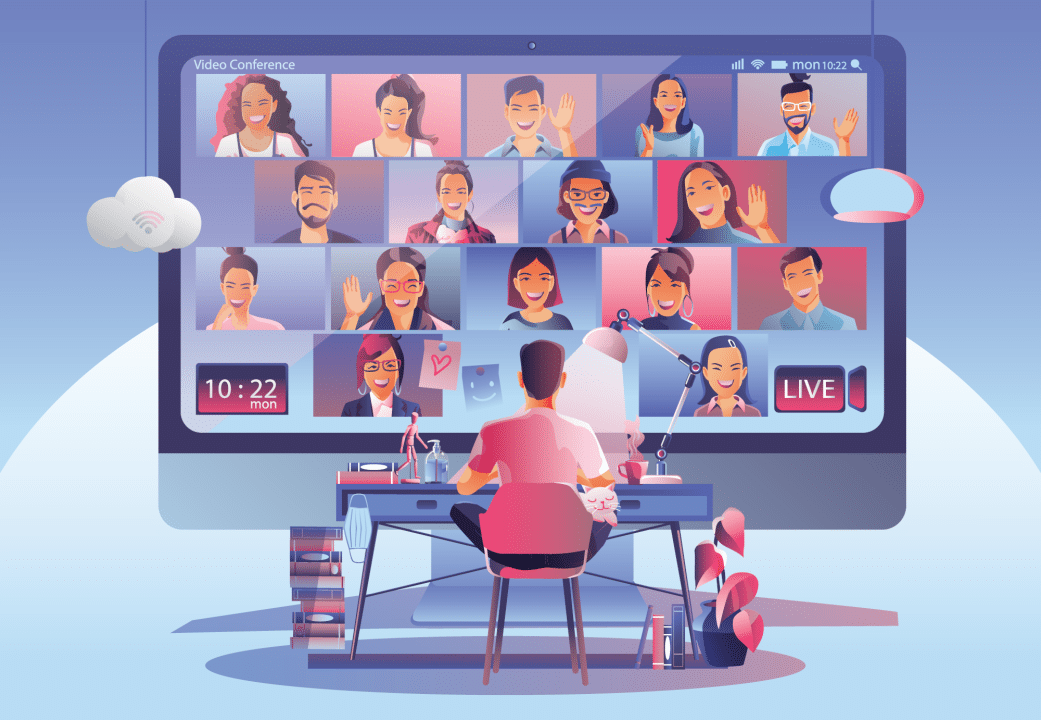
As businesses are adapting to the changing digital landscape, virtual events have emerged as a powerful marketing tool. With traditional in-person events no longer a viable option for many, virtual events allow companies to continue engaging customers and building brand awareness online. Rather than cancelling important marketing activities, companies are innovating by moving events such as trade shows, conferences and seminars onto virtual platforms. Furthermore, virtual events can reach a larger, global audience compared to physical gatherings limited by location. With the right planning and execution, these platforms democratize events in a way that positively impacts digital marketing efforts. There are several