

The ‘Real You’ Fallacy of Social Media
Social media creates the illusion we see each other's whole, complex selves. Yet what platforms show often differs drastically from who people truly are. Selective self-representation governs how most present online, breeding the 'real you' fallacy of social media. Understanding this reveals a more balanced, healthy perspective for using platforms productively and positively. Social Media is a Highlight Reel While appearing candid, what people share on social media actually involves high degrees of selectivity and curation. Individuals choose only positive moments, good angles and flattering filters in normalizing the 'highlight reel' effect. Users aim to craft an idealized

Dark Social Marketing
While most marketers focus on established social media platforms like Facebook, Instagram, and Twitter, an increasing amount of social interaction today happens through private messaging apps. These “dark social” channels like WhatsApp, Facebook Messenger, iMessage, and Snapchat are increasingly how friends and family communicate and share content. However, these closed ecosystems present challenges for marketers who want to reach consumers through relevant messaging. To succeed at dark social marketing in 2023, brands must craft strategies that feel authentic and valuable within private messaging conversations. As an example, over 2.5 billion people utilize instant messaging apps for communication. In contrast, less than

Optimizing the Customer Journey With Orchestration
As the digital marketing landscape continues to evolve, brands are realizing the importance of providing seamless, consistent experiences throughout customers' journeys. However, crafting such experiences can be challenging given the multitude of channels and touchpoints involved. Customer journey orchestration uses technology, data and automation to map, measure and optimize how customers interact with a brand across channels over time. By embracing orchestration approaches, companies can design customer journeys that drive higher engagement, satisfaction and lifetime value. In contrast to marketing strategies that focus solely on individual channels or touchpoints in isolation, orchestration takes a holistic view of the customer journey. This

Transitioning to Zero Party Data
With consumer privacy concerns on the rise and data regulations tightening, marketers are realizing the limitations of third party data sources. However, shifting to first party data collected directly from customers presents challenges on its own. An alternative gaining traction is zero party data - the data customers actively choose to share about themselves. Embracing zero party data strategies can help brands access valuable insights while respecting customers' privacy and control over their information. Traditionally, marketers have relied heavily on third party data purchased from data brokers and partners. This includes demographic and behavioral data used to segment audiences and target
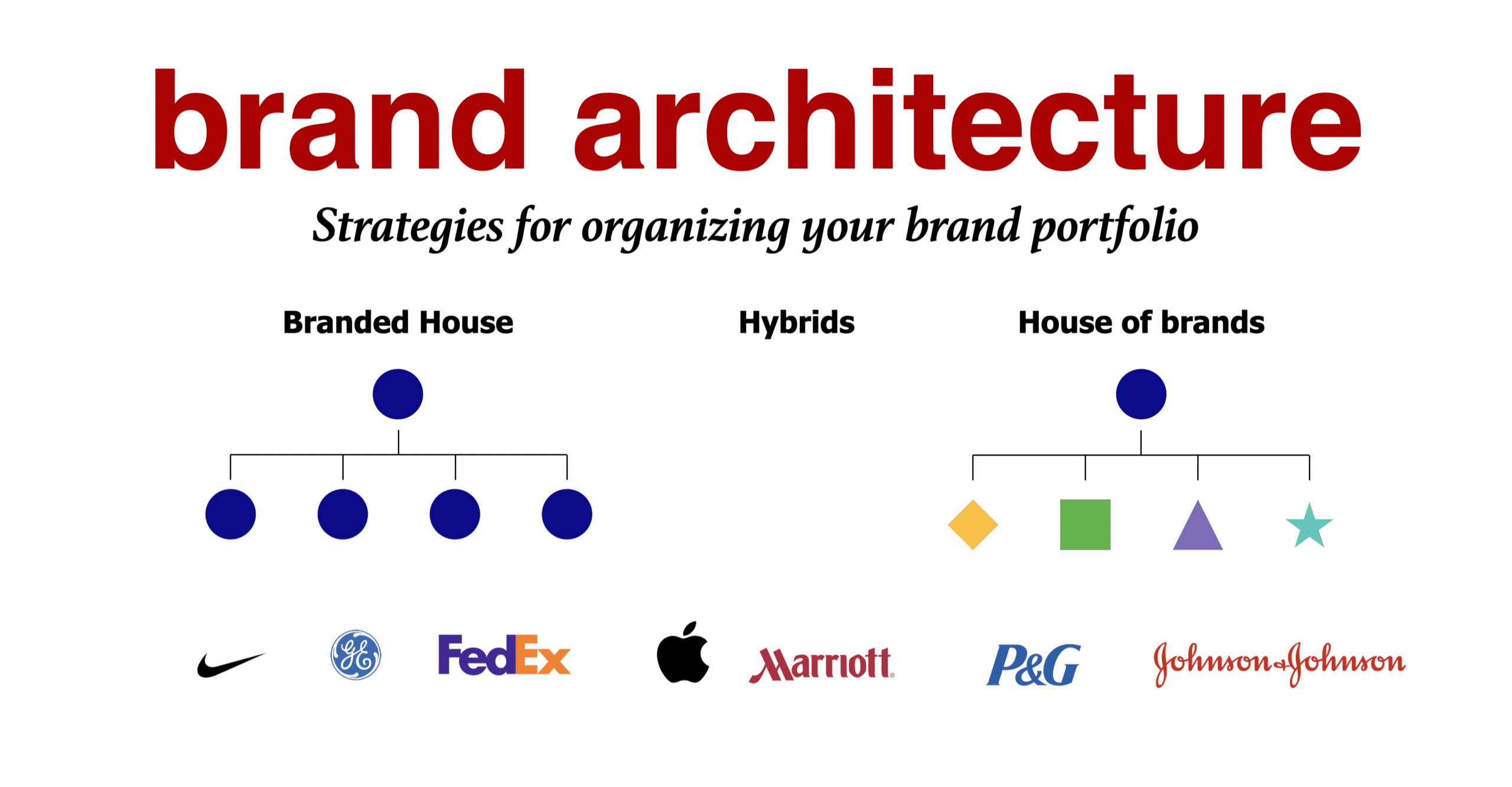
Brand Portfolio with Architecture
Any company with multiple products, services or divisions faces important decisions around how to organize and manage the relationship between their various brands. This is known as brand architecture - the system used to structure a company’s portfolio of brands. Creating a deliberate brand architecture considers how portfolio brands fit together to minimize confusion, maximize synergies and align with the company’s strategic vision. Most companies fall into one of three primary brand architectures: monolithic, branded house or branded portfolio. A monolithic architecture uses one umbrella brand for all products and services. This clarifies the relationship between offerings while creating a unified