
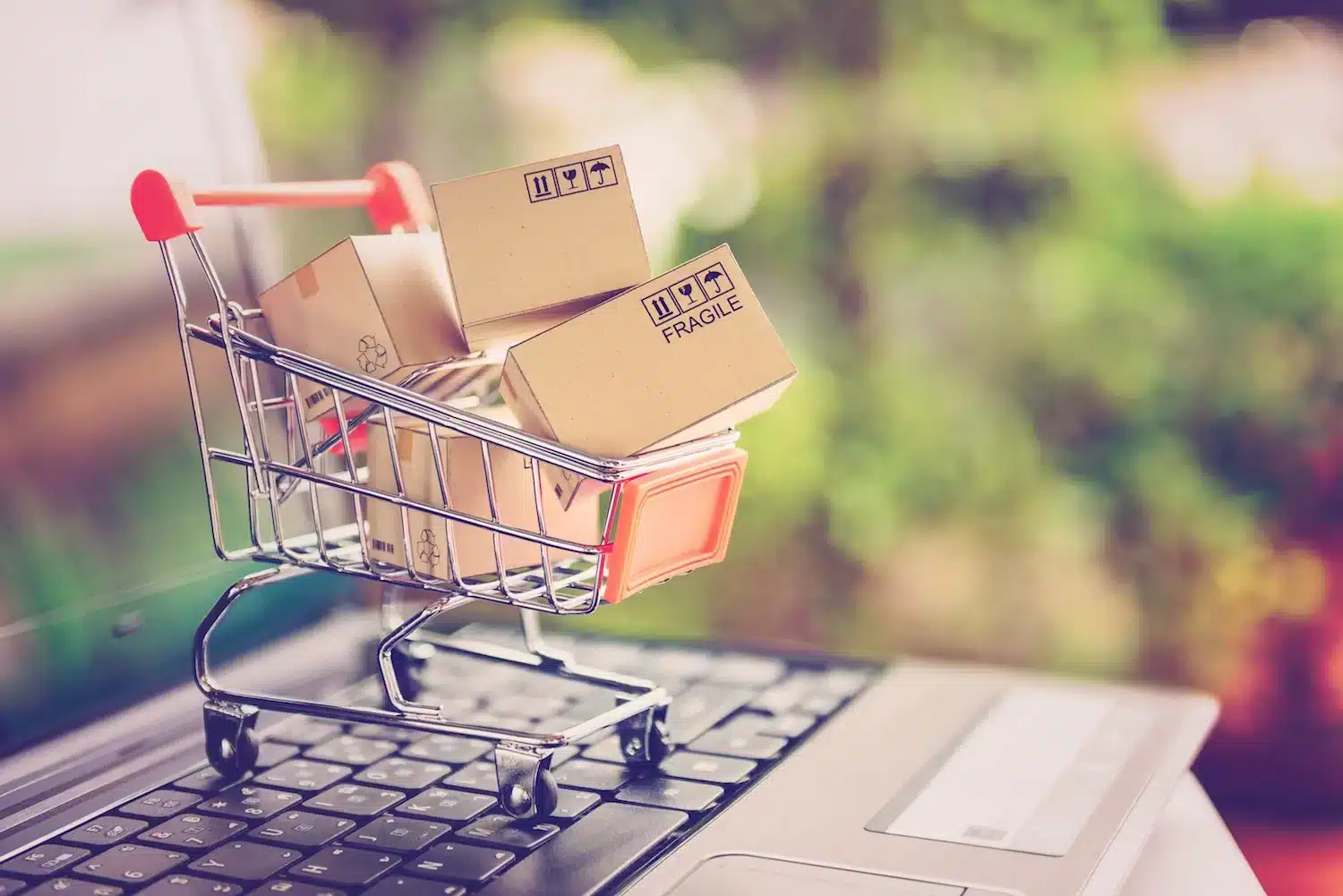
E-commerce: Customer Journey Mapping
As e-commerce continues to grow and evolve, it's becoming increasingly important for businesses to understand and optimize the customer journey. Customer journey mapping is a tool that can help e-commerce businesses gain insight into the customer experience, identify pain points and opportunities for improvement, and ultimately increase customer satisfaction and loyalty. In this blog, we'll explore the basics of customer journey mapping for e-commerce businesses and provide tips for creating effective customer journey maps. Building the Map Firstly, identify the main stages of an customer's journey through your website. These may include: Awareness - Hearing about your brand through advertising, search or word-of-mouth. Consideration
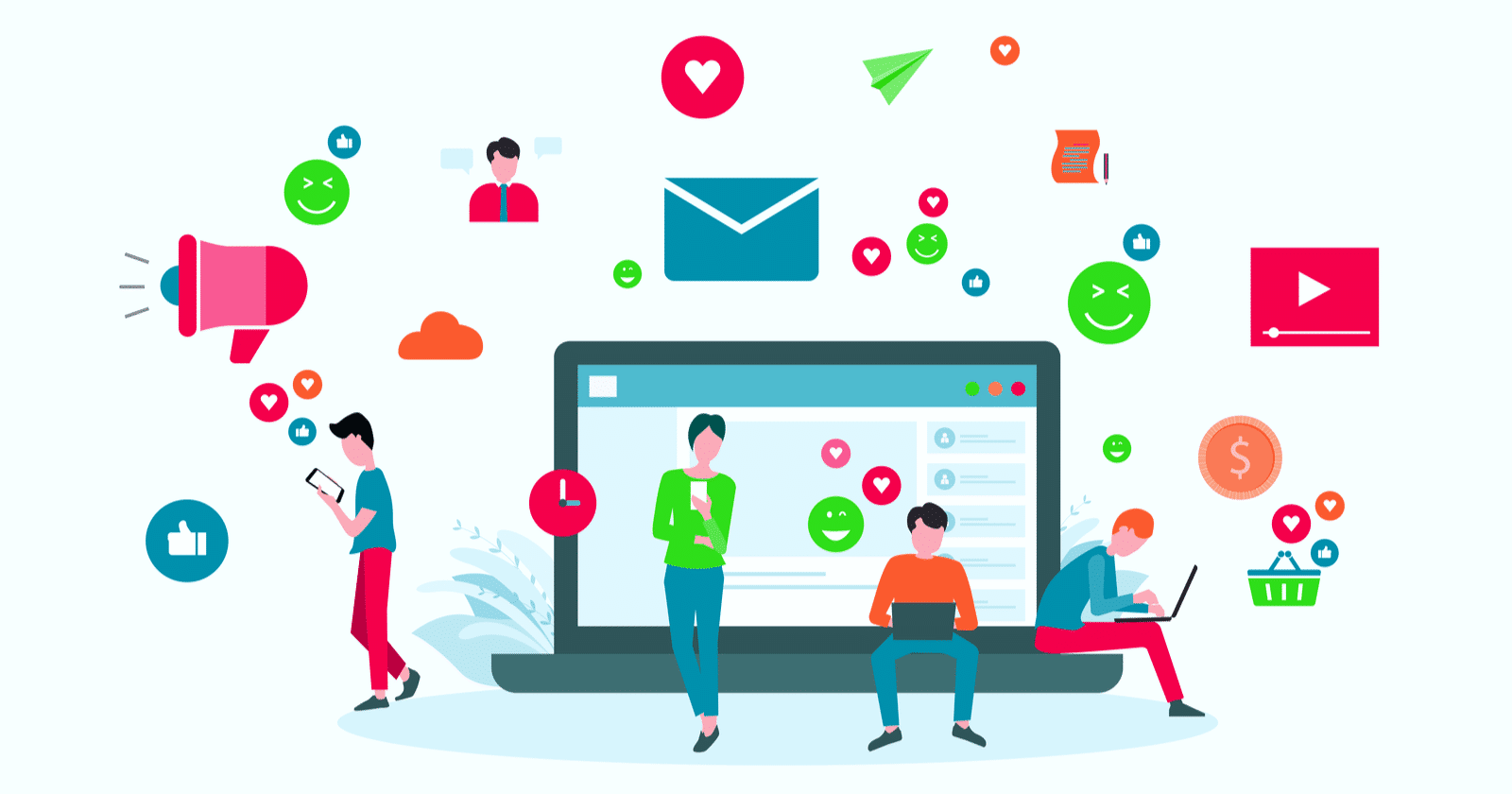
Social Media: Brand Promotion
In today's digital age, social media platforms like Facebook, Instagram, and Twitter offer businesses a powerful promotion way to connect with their target audience and promote their brand. Why Social Media Marketing Works for Brand Promotion? Social media marketing is effective for brand promotion because it allows businesses to reach their target audience where they are already spending time. Businesses have a huge opportunity to connect with their audience and build brand awareness with billions of people using social media platforms every day. Social media platforms also offer businesses a way to engage with their audience in a more personal and authentic way.

Social Media: User-Generated Content
User-generated content is a very impactful marketing strategy in social media marketing anyone can leverage. This is because social media users increasingly value content made by other users instead of brands. Here are a few reasons why harnessing user-generated content can boost your social media marketing effort. Credibility and Trust Content created by fellow users feels more genuine and trustworthy to other social media users. As a brand, you can harness user-generated content related to your products and services. Then, you gain the advantage of this perceived authenticity and trust. Thus, by encouraging customers and followers to share their experiences through photos
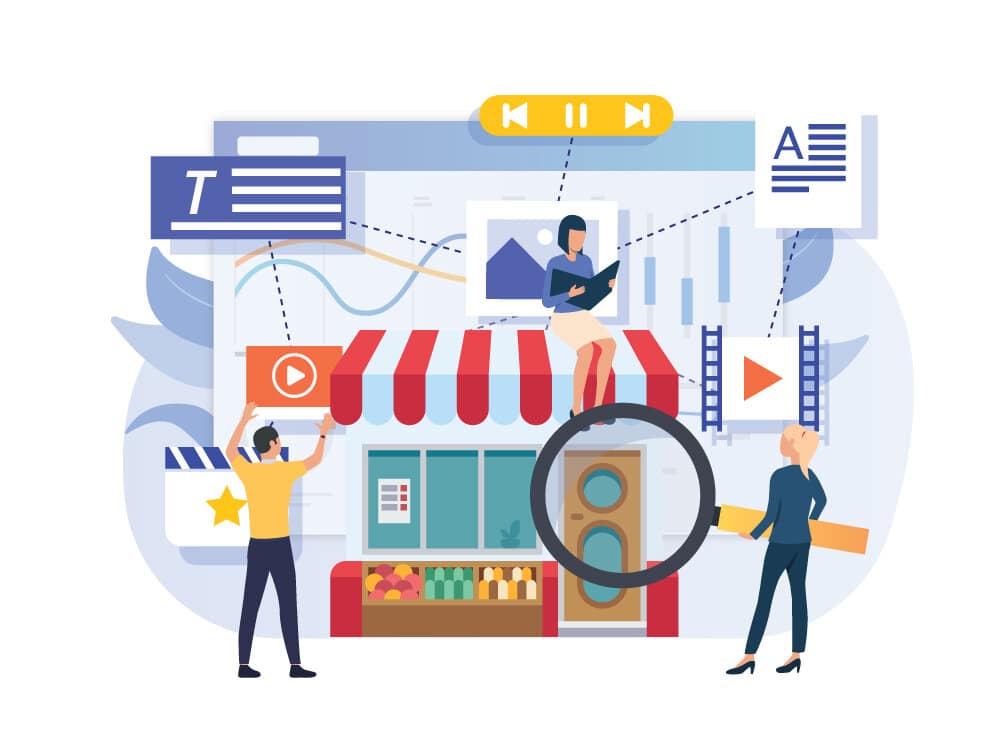
Inexpensive Business Promotion Tactics
Small businesses with limited funds, must find cost-effective ways to boost awareness and attract customers. Fortunately, there are many inexpensive or free promotion methods available in the field. Here are some of the top options to consider: Build an Email List Constructively, creating an email list yields significant returns with little expense. Simply placing a signup form on your website and social media allows interested visitors to subscribe. You can then periodically send newsletters with exclusive promotions, tips, and offers to promote your business at virtually no cost. Optimize Your Website Correspondingly, an optimized website improves your organic search rankings for free. Ensure your
Ecommerce: Site Speed
Site speed is paramount for ecommerce websites. Customers expect pages to load within seconds, otherwise they will quickly abandon their carts. Here are several techniques to optimize your online store's speed and improve the shopping experience: Leverage a Content Delivery Network Firstly, utilizing a content delivery network or CDN makes the site's content load faster by caching static assets like images, CSS files and JavaScript from servers located closer to your customers. A CDN delivers these assets to users quickly since the files are hosted locally. Thus, by offloading non-dynamic content to a CDN, you can significantly improve page load times. Optimize Product