
5 Reasons Your Website Needs ADA Compliance
The Americans with Disabilities Act (ADA) requires businesses to provide equal access for people with disabilities, including on their websites. While ADA compliance for physical spaces is well known, many website owners do not realize their online presence must also meet ADA standards. Here are the top 5 reasons website ADA compliance matters and steps you should take to ensure your site conforms: It's The Law Firstly and fundamentally, the ADA requires all places of public accommodation - including business websites - to be accessible for people with disabilities. The law covers various types of disabilities related to mobility, vision, hearing, cognitive
Big Reasons for Big Brands to Use WordPress
Major media companies and huge brands keep choosing WordPress for their websites over custom platforms or other CMS solutions. While they have the resources to build any system they want, it continues to prove itself as a reliable, scalable and feature-rich option for huge sites. Here are the top reasons big names trust WordPress to power their online presence: Open Source and Free First and foremost, WordPress remains freely available as open source software at no cost. For companies with massive budgets, saving money may seem trivial. However, not expending resources to develop or maintain a proprietary CMS preserves funds that can
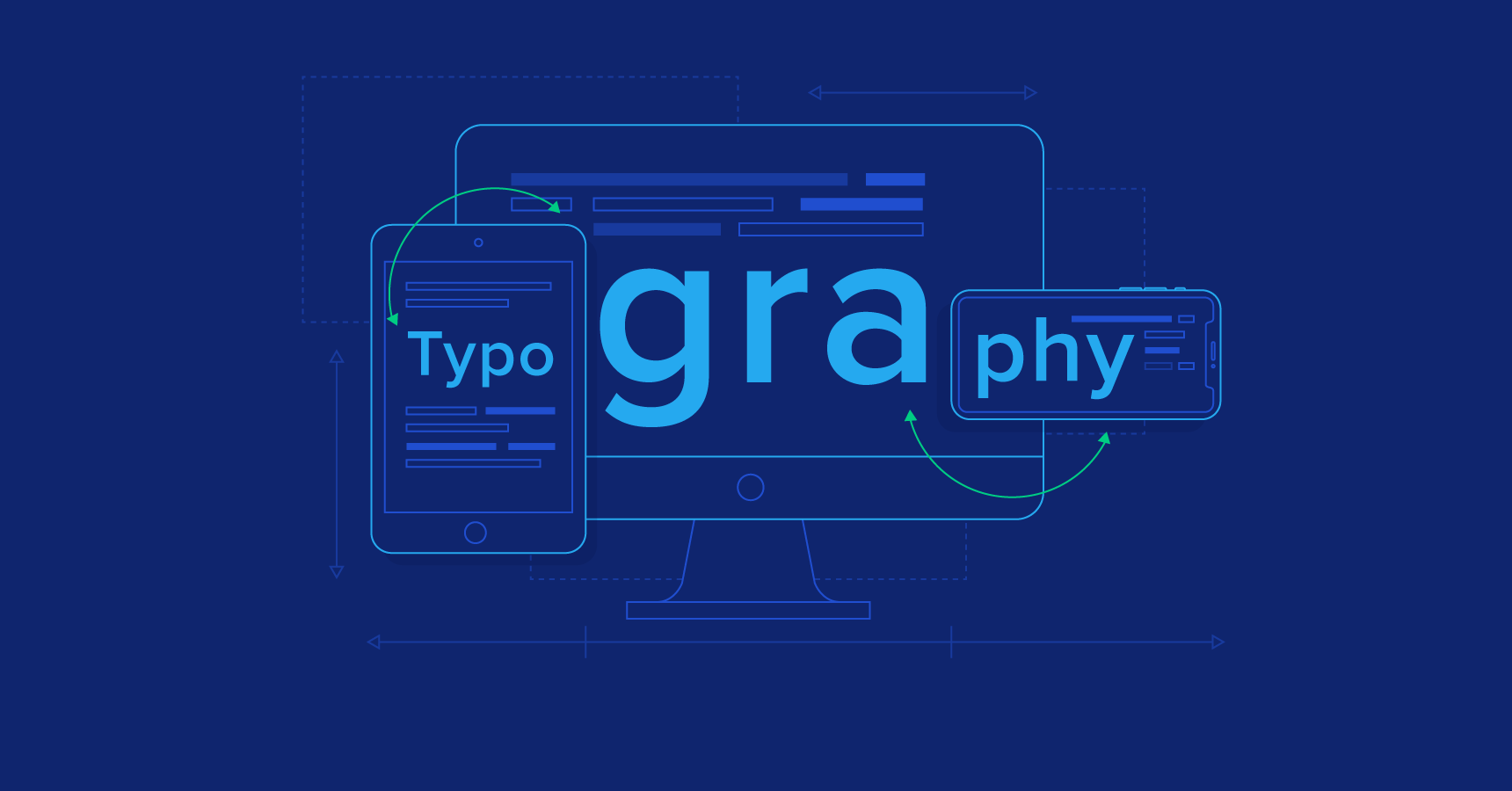
Choosing Web Font
The choice of fonts and how you structure text on your website impacts design, usability, and readability. With so many font options available, selecting typography that helps achieve your design goals can be challenging. Functional and aesthetically pleasing typography requires an understanding of how users read on screen and what font characteristics enhance legibility. Typography Fundamentals for the Web Several typographic fundamentals dictate how readers process on-screen text: Legibility refers to how easily text can be read and recognized. Font size, weight, and stroke all affect legibility. Hierarchy uses size, style and color to distinguish primary text from supporting content like subtitles and
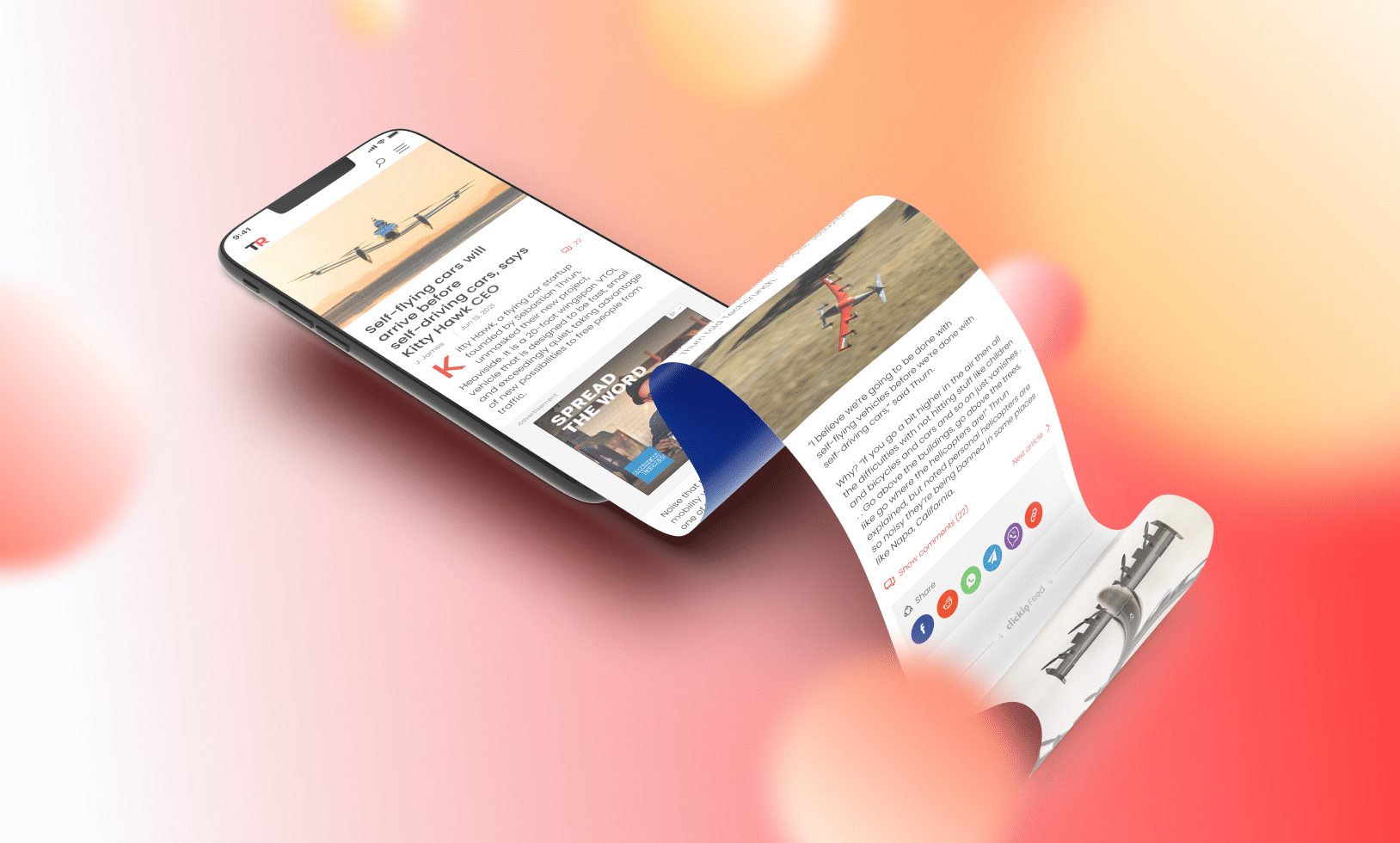
Website’s Infinite Scrolling
Infinite scrolling is a web design feature where additional web content is automatically loaded and displayed as a user scrolls down. This allows for seamless and continuous content consumption, however there are pros and cons to consider. This feature first gained popularity on social media sites like Facebook and Instagram to provide users with an endless stream of updates. Subsequently, many websites and applications have adopted the feature. How Infinite Scrolling Works Infinite scrolling relies on JavaScript. As a user scrolls down, a specific point is reached where more content is loaded remotely via an API call. This new content is then inserted
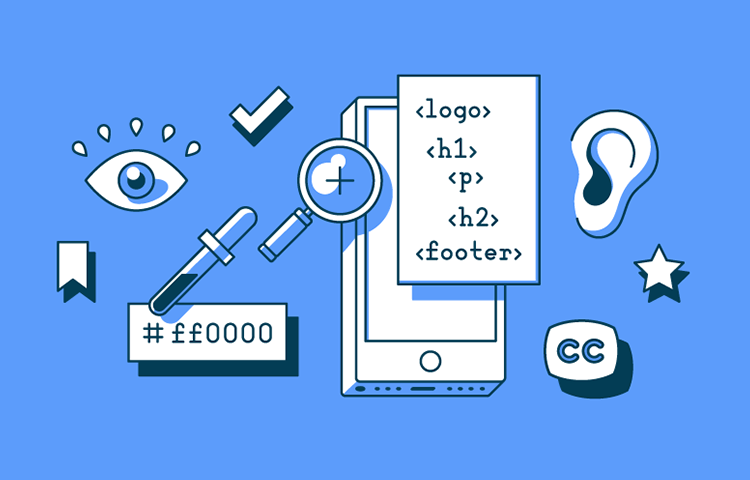
Websites Accessibility
Web accessibility refers to designing websites and applications that can be used by people with disabilities. However, accessibility benefits go beyond and impact all users. What is Web Accessibility? The process involves meeting four key principles: Perceivable Firstly, content and interface elements can be presented to users in ways they can perceive. This includes text alternatives, captions, and color contrast. Operable Secondly, interface elements can be interacted with effectively using common inputs and controls. This involves keyboard navigability and sufficient time to read and use content. Understandable Then, information and navigation is structured in a meaningful and logical manner where content makes sense. This covers using clear and