

What is Native Advertising? What Does It Look Like?
What is Native Advertising?
Native advertising is the concept of creating ads that are so cohesive with the page content, assimilated into the design. In addition to consistent with the platform behavior that the viewer feels the ad belongs there.
Promoted search results and sponsored social media posts are popular examples of native ads. Both formats provide the same kind of value to users as the organic search results and user-generated social media posts.
As consumers become more resistant to traditional forms of advertising, Fortune 500 brands and consumer startups alike are allocating bigger budgets towards content marketing and non-disruptive ad formats.
What does Native Advertising look like?
There are three major forms of native advertising. In Feed/In Content Ads, Content Recommendation Ads. And Branded/Native Content.
-
- In Feed/In Content: Are ads that integrate into content pieces, social feeds, and ecommerces. These ads seek to blend in with native content. As well as create a non-disruptive user experience.
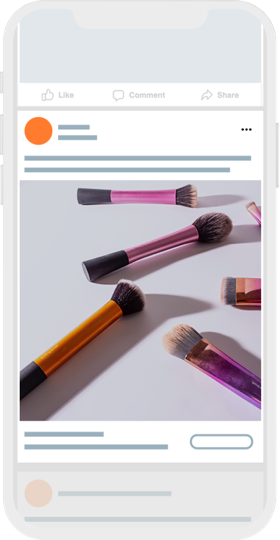
-
- Content Recommendation Ads: Are ads that display alongside editorial content or other ads in a recommended format. These ads are typically found at the end of an article. Or along the side and feature many different suggested ads or content.

-
- Branded/Native Content Ads: Are native ads that don’t fit into a typical mold. These ads function as unique content on a publisher’s website or platform.

Why is Native Advertising Important?
Native advertising offers the opportunity to connect with users in a format of the user’s choosing. Native advertising can also be less intrusive than traditional ad formats such as banner ads. In addition to this, the ad’s contextual relevance means that native advertising can produce high Click-Through Rate (CTR) and boost conversions.
How can users know when content is native advertising?
There are laws and legal guidelines in place to prevent native ads from being deceptive. For example, you will often see text such as ‘promoted by’ or ‘sponsored’ within a thumbnail, banner or header – indicating that users will be linked to paid content.
How to Make the Most of Your Native Advertising Spend
Work with the tone and style of the publication
Your content should fit seamlessly with its surroundings, which means your style and tone needs to match that of the publication. This starts with choosing the right publication to partner with.
Don’t make it look like an ad
Let’s state the obvious: people don’t like ads. 63% of Americans have a negative attitude towards ads in videos, and 47% dislike ads on websites.
The best way to get around this is to make sure your content has value in its own right. Depending on your audience and goals, make sure your piece is genuinely interesting, educational, informative, or entertaining.
Make it visual
Most major publishers employ journalists, and journalists love words. But to stand out from the crowd, you need your story to use a wide range of media assets, including video, illustrations, data, maps, photography, and animations.
Create high quality content
This should go without saying, but your native content needs to be as interesting and immersive as the best content on your host publication. Ideally, it should be as stunning as the best digital content on the web.
Use scroll-based visual techniques
Scroll-based effects — sometimes called scrollytelling — are a powerful way to capture and keep the attention of your reader. If you have a development team on hand, you can build something bespoke. If not, or if you want to create immersive reading experiences at scale, you can try a no-code digital storytelling platform.