
Understanding Attribution Modeling for Digital Marketing
As digital marketing channels continue to expand, it becomes more difficult for marketers to determine which channels and campaigns drive the most results. Attribution modeling provides a solution. Here are 10 things to know about attribution modeling:
Attribution modeling
It is the process of assigning credit for conversions (e.g. sales, leads) to the appropriate digital marketing channels and touchpoints that influenced a customer’s path to purchase.
Accurate one is critical for determining which channels to invest more in and which to scale back.Also, it helps marketers optimize spending for maximum ROI.
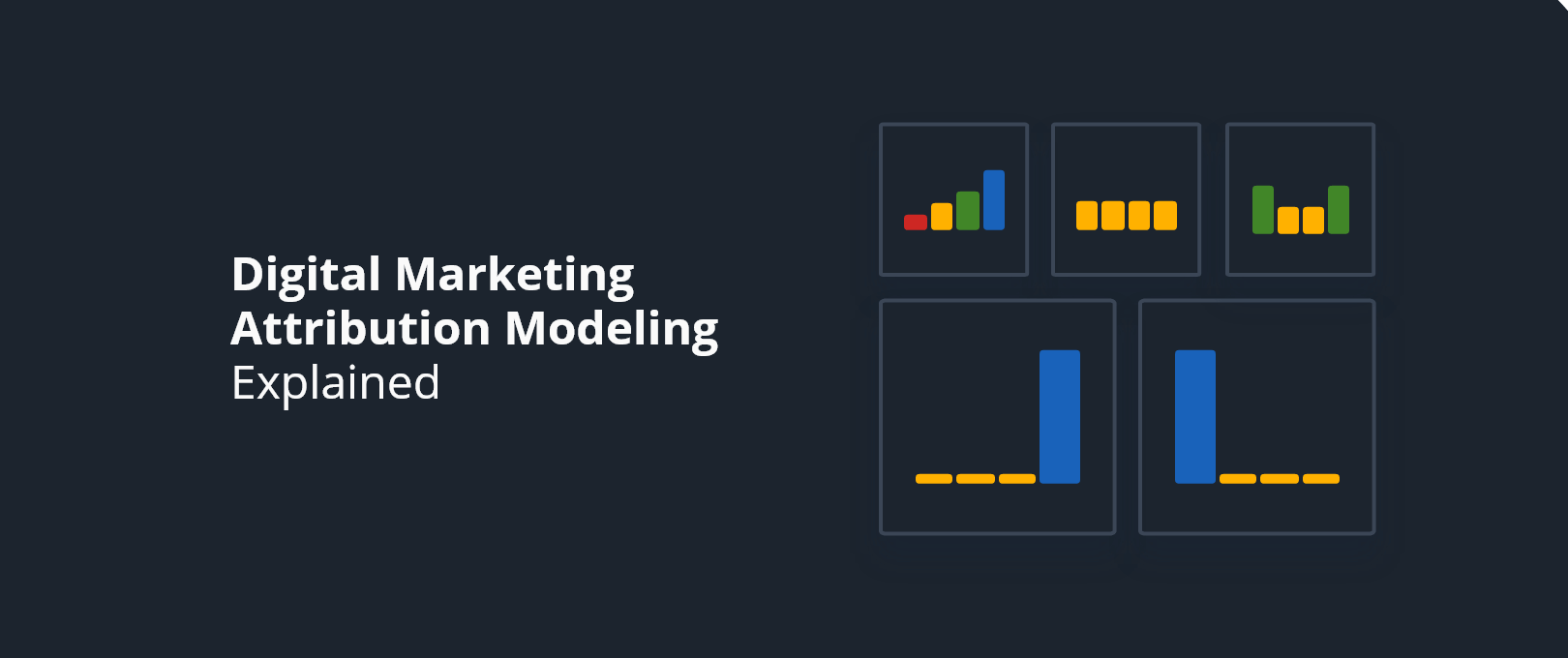
There are different types of attribution models, including:
- Last click : All credit goes to the last channel or ad clicked before a conversion
- First click : All credit goes to the first click
- Linear : Also, equal credit across all channels and touchpoints
- Time decay: More weight is given to recent channels
- Position-based one: More credit is given to earlier channels
- No single attribution model is perfect. Marketers typically test multiple models to determine which performs best for their business.
- Attribution modeling requires tracking technologies to capture data on channels, ads, keywords and content visited by customers before converting.
- Attribution also depends on identifying customers throughout their journey, requiring solutions like cookie tracking and customer match rates.
- Attribution tools like Adobe Analytics, Google Analytics, and others provide configurations for different attribution models and analysis.
- Attribution modeling can help optimize marketing spend across channels by revealing which are most effective and which need adjustment.
- This data enables marketers to test new channels, campaigns and creative to determine their true impact before scaling investments.
- Advanced techniques are emerging that factor in customer lifetime value and assign credit probabilistically based on each touchpoint’s likely influence.
In conclusion, as digital marketing becomes increasingly complex and fragmented across channels, attribution modeling provides an essential framework for understanding what’s truly working and making data-driven decisions. Also, the ability to accurately evaluate campaign performance and optimize spending across channels ultimately maximizes return on marketing investments.