
Understanding Consumer Behavior in Digital Marketing
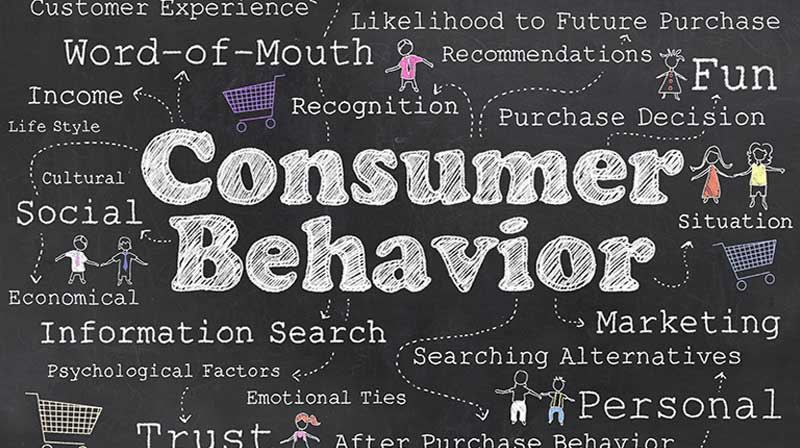
In order to successfully engage customers through digital channels, marketers must understand consumer behavior. By studying how and why people make purchasing decisions, businesses can create more effective marketing strategies. Here are 10 tips for understanding consumer behavior in digital marketing:
Identify Target Audiences
The first step is segmenting your potential customers into relevant groups based on demographic, geographic and psychographic factors that impact their behavior. Also,define your key audiences to tailor your marketing accordingly.
Monitor Trends and Preferences
Keep up with trends that influence how consumers behave and what they value. This includes emerging technologies, social causes, lifestyles and purchase motivations.
Understand Purchase Triggers
Identify the events, needs or moments that prompt consumers to actually make purchases. In addition, market to people at these trigger points to boost relevance and effectiveness.
Determine Influencers
Who and what influences your target audiences? Things like peer recommendations, reviews, celebrities, and influencers can impact consumer decisions. Capitalize on these influences.
Map the Customer Journey
Map out the series of steps consumers take when interacting with your brand across different channels. Also, look for points of friction or opportunities for improvement.
Test and Learn Rapidly
Continually test different digital marketing options using A/B tests, multivariate tests and experiments. Analyze metrics to determine what resonates best with consumers in real-time.
Focus on Personalization
Leverage consumer data to create a personalized experience at every touchpoint. Customers expect a tailored approach that demonstrates you know and understand them.
Evaluate Emotional Impact
While features and rational benefits matter, emotional triggers often drive purchasing decisions. Appeal to consumers’ desires, values, aspirations and sense of self.
Listen to Consumer Feedback
Seek input directly from customers via surveys, forums, reviews and social media. Their feedback provides valuable insights into their behaviors, pain points and wishes.
Adapt to Shifting Behaviors
Consumer behavior is constantly evolving, so your marketing strategies must adapt. Embrace testing, iterating and continuous improvement to stay relevant over time.
In conclusion, in today’s digital world where customers are inundated with choices, understanding consumer behavior is imperative. By studying how and why customers make decisions, marketers can create messages, offers and experiences that speak directly to their target audiences. And the more digital marketing can anticipate and align with consumer behavior, the more effective and persuasive it will be.