
Popular Digital Marketing Tactics in Lebanon
With internet usage growing amongst Lebanese consumers, digital marketing presents massive opportunities for businesses to reach new audiences. While global strategies remain applicable, smart marketing agencies also incorporate localized tactics. Here are some of the most common and effective digital techniques currently employed within the Lebanese market: Search Engine Optimization remains a cornerstone tactic. Optimizing websites for relevant long-tail keywords written in Lebanese Arabic helps local companies rank for localized queries. On-page elements like metadata translations and dialects spoken are important cultural considerations. Creating links from.edu and Lebanese domain websites also boosts SEO. Social media plays a huge role due to high

Avoiding Social Media Exhaustion
While social platforms can provide valuable connections and entertainment, overusing them often leads to a state of digital exhaustion that's difficult to shake. As our brains release dopamine in response to online engagement, we may mindlessly scroll longer than planned without realizing the toll it takes. However, there are proactive steps anyone can take to prevent social burnout and protect their mental well-being. Set boundaries by imposing self-restrictions on when and how you engage with networks. For example, avoid checking within an hour of waking up or past a predetermined bedtime. Designate app-free weekends or evenings each week as well. Out

Social Media Burnout
While social platforms are designed to obsessively engage users, constant connectivity can take its toll if moderation isn't practiced. Extended media periods logged into sites like Facebook, Instagram, Twitter and more lead to a very real risk of social media burnout. The nonstop stream of notifications, updates and alerts trigger hormonal responses in our brains that may excite at first but set the stage for eventual fatigue. Here are some signs and ways to overcome burnout from these engaging platforms: Early indicators of approaching burnout It often include losing interest in previously enjoyable accounts or conversations. Checking becomes more of a reflexive
Social Media’s Growing Social Impact
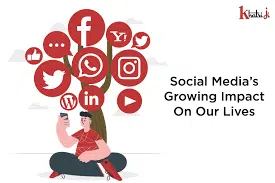
In recent years, social platforms have increasingly provided growing social impact avenues for enacting real change. Creators and organizers utilize various features to raise awareness, fundraise, and mobilize communities around important causes. Beyond surface-level connections, social media networks empower grassroots efforts with far-reaching positive consequences. Social impact campaigns have effectively harnessed collective online participation. For instance, viral hashtags like #MeToopowerfully gave voice to millions experiencing abuse or harassment. Furthermore, live videos from Black Lives Matter protests broadcast urgent calls for reform and justice. As a result, difficult conversations received unprecedented exposure nationwide. Live streaming apps similarly allowed spreading humanitarian aid efforts

Ephemeral Sharing on Social Media
Ephemeral sharing has fundamentally changed how users interact on social networks in recent years. Platforms capitalized on heightened demand for casual, lightweight exchanges through introducing features like Instagram Stories and Snapchat Stories. Whereas traditional posts endure indefinitely, Stories content disappears after 24 hours. This temporal format alleviates some performance pressures as impressions hold less weight. Primarily, ephemeral experiences foster spontaneity in self-expression. Rather than carefully crafting the perfect post, individuals comfortingly share casual glimpses into daily lives through blurred, candid photos in Stories. Furthermore, its low-pressure format inspires playfulness like interactive question stickers and drawing tools. As a result, audiences feel