
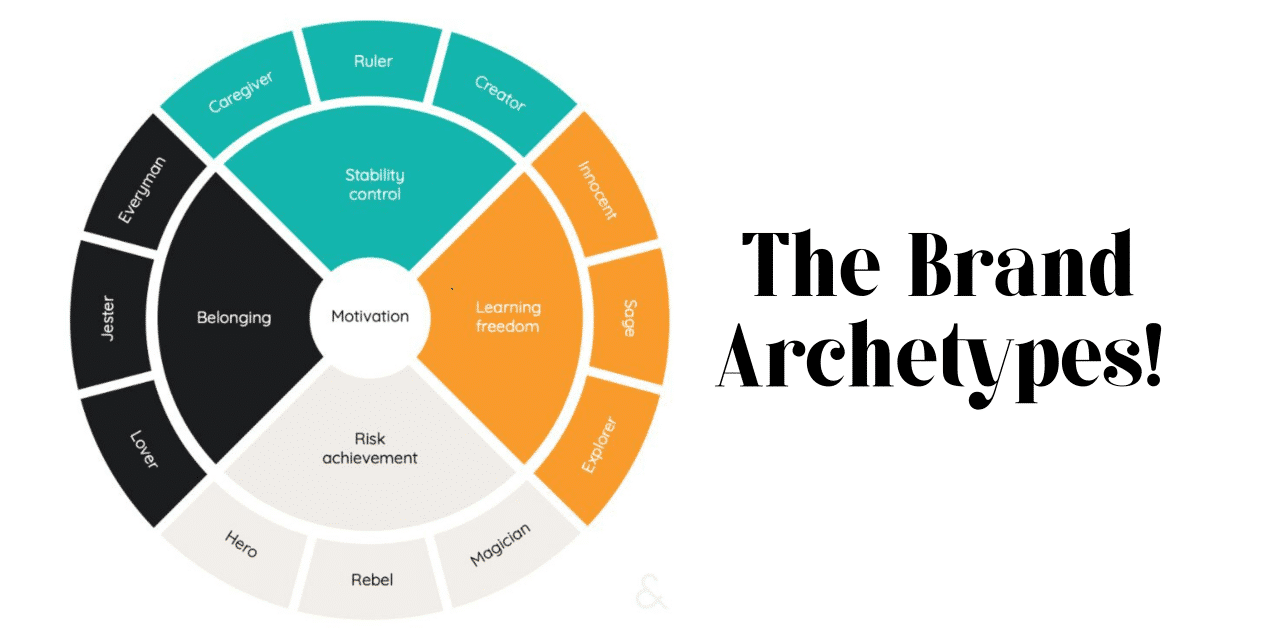
Unleashing the Power of Brand Archetypes
In the vast realm of marketing and branding, creating a powerful and resonant brand identity is paramount to capturing the hearts and minds of consumers. One effective strategy to achieve this is by leveraging power of brand archetypes, which are universal patterns that tap into our collective unconscious. we will explore the fascinating world of brand archetypes, discuss their significance in shaping brand identities. Understanding Brand Archetypes: To embark on our journey of crafting compelling brand identities, it is crucial to comprehend the concept of brand archetypes. These archetypes, derived from psychologist Carl Jung's work, represent fundamental human characteristics and behaviors that

Subculture Branding
As mainstream culture absorbs once-underground styles, savvy brands recognize opportunities within thriving subculture branding. Authenticating with passionate niche audiences demands nuanced understanding beyond superficial aesthetic appropriation. Successfully connecting within diverse communities relies on respecting origins and organically representing aligned values. Punk scenes sparked one of the earliest substantial subcultural economies. Distinctive graphic tees and zines advertised weekend shows whereas pawn shops stocked second-hand gear. As popularity grew, dedicated brands emerged authentically clothing fans without exploiting rebellious imagery. Proper etiquette involved actively participating in scenes rather than detached commercialization. Similarly, skateboarding fostered a lifestyle brand powerhouse. Emphasizing independence and creativity and fun rather

How Brand Adaptability Drives Success in Changing Times
In today's dynamic market landscape, characteristics like innovation, quality and service are increasingly commoditized. As such, they no longer provide sustainable competitive advantages. Instead, the ability to sense shifts and quickly adapt brand strategies accordingly has emerged as a critical success factor. Subsequently, brand exhibiting agility, adaptability, and responsiveness to change tend to outperform their competitors over the long run. Therefore, cultivating an adaptive posture ensures ongoing relevance and maximizes opportunities in both downturns and upswings. The Challenge of Change Businesses operate in an environment characterized by: Rapidly evolving customer needs, preferences and tastes. Disruption from new technologies and business models. Intensifying competition from emerging
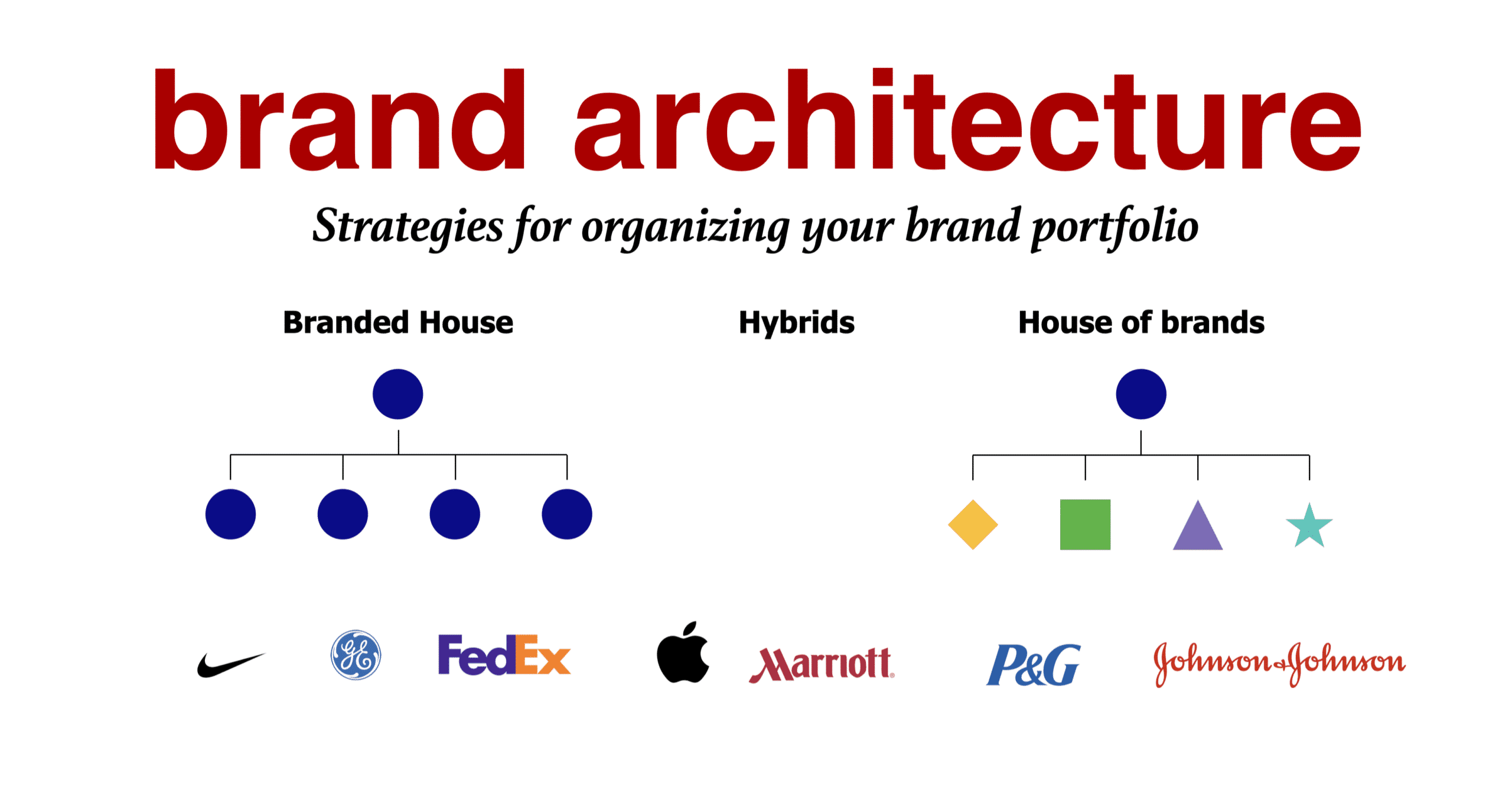
Brand Portfolio with Architecture
Any company with multiple products, services or divisions faces important decisions around how to organize and manage the relationship between their various brands. This is known as brand architecture - the system used to structure a company’s portfolio of brands. Creating a deliberate brand architecture considers how portfolio brands fit together to minimize confusion, maximize synergies and align with the company’s strategic vision. Most companies fall into one of three primary brand architectures: monolithic, branded house or branded portfolio. A monolithic architecture uses one umbrella brand for all products and services. This clarifies the relationship between offerings while creating a unified

The Power of Brand Storytelling
Your brand's story serves as the foundation for all your marketing communications. An authentic, compelling narrative humanizes your company and forges deeper connections with customers. Follow these steps to craft an effective brand storytelling that works. Start with defining your brand's purpose. Ask why your company exists beyond making money. Uncover the higher motivation driving your work. Express this purpose in a simple phrase using less than 20 wordsthat captures your organization's core reason for being. Make this statement the foundation of your story. Once you have a clear purpose, outline key brand values that support it. List 3 to 5 values