

Conversational UIs
As technology enables more natural human-computer interaction, conversational UIs interfaces are revolutionizing how brands connect with customers. Pioneering platforms like Amazon Alexa and Apple Siri set expectations for fluid, dialogue-driven experiences across industries. Now marketers explore how chatbots, messaging apps and virtual assistants can streamline purchasing while building loyalty through personalized discussion. Leading the charge, numerous enterprises deploy messaging-based customer service bots addressing FAQs promptly. Capitalizing on constant access through ubiquitous chat apps, automated agents handle basic inquiries affordably at any hour. Sophisticated negotiation skills even simulate sales conversations by recommending complementary products based on conversation context. Moreover, conversational marketing promotes fluid

Social Audio Apps
With audio-based communication gaining prominence, social audio apps introduce new avenues for digital discussions. Pioneered by Clubhouse, which launched invite-only audio chatrooms, platforms like Twitter Spaces, Spotify Greenroom and more recently Discord Stage Channels invite marketers to host conversations. Firstly, social audio apps allows addressing niche audiences through scheduled talks on specialized topics. By targeting enthusiast circles, brands can spark trusted exchanges versus impersonal broadcasting. Informal discussions provide a natural format assessing customers’ real opinions without constraints of written responses. Replying spontaneously to questions, marketers gain invaluable qualitative insights surpassing survey data. Audio conversations similarly personify brands as listeners social

Web3 Marketing Opportunities
As innovations in blockchain, cryptocurrency and decentralization rise, new possibilities for digital marketing emerge within the ambiguous realm of "Web3." While Web3's full shape remains unclear, forward-thinking brands can lay groundwork understanding this evolving landscape. To begin, blockchain offers authenticity through transparency of product histories viatracking each item's immutable ledger trail. Partnerships with crypto-native outlets acquaint wider audiences with Web3 concepts through everyday brands they know and trust. Non-fungible tokens (NFTs) They embed scarcity into digital creations, transforming how influencer collaborations, video content, game assets and more stimulate buyer demand and resell value. Hyundai garnered attention auctioning NFT car ownership rights

Digital Therapeutics Marketing
A burgeoning area within digital health is digital therapeutics - clinically validated digital tools and programs designed to treat medical conditions. Ranging from apps for chronic disease management to virtual cognitive behavioral therapy, these "prescribed apps" require new marketing considerations. To begin, digital therapeutics address conditions otherwise reliant upon expensive, one-size-fits-all drugs and procedures. However, their personalized, software-based models intervene at lower costs while empowering patients between doctor visits. Digital therapeutics must prove clinical efficacy for FDA approval and insurance coverage similarly to drugs. Therefore, marketing centers on quantifiable outcomes treating root causes versus just symptoms alone. Clinical trials demonstrate reduced
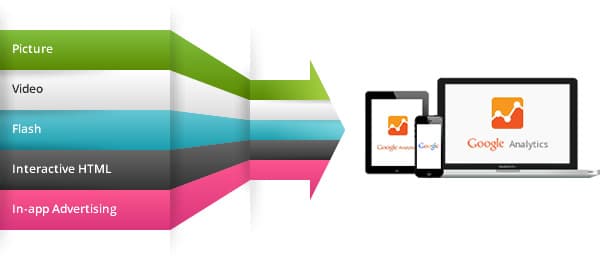
Display Advertising in Your Digital Marketing Strategy
As more consumers spend time browsing and engaging online, display advertising has become a highly effective way for brands to target audiences at scale across various digital platforms and websites. While not always the first format that comes to mind when thinking of digital marketing tactics, display ads deserve a prominent place in any well-rounded strategy. Consider these benefits of incorporating display advertising. How Display Ads Work Display ads, which include formats like banner ads, video ads and native ads, are placed programmatically on websites and in mobile apps based on the interests and characteristics of users as they browse online. This