

Virtual Events: A Powerful Tool for Digital Marketing
As businesses are adapting to the changing digital landscape, virtual events have emerged as a powerful marketing tool. With traditional in-person events no longer a viable option for many, virtual events allow companies to continue engaging customers and building brand awareness online. Rather than cancelling important marketing activities, companies are innovating by moving events such as trade shows, conferences and seminars onto virtual platforms. Furthermore, virtual events can reach a larger, global audience compared to physical gatherings limited by location. With the right planning and execution, these platforms democratize events in a way that positively impacts digital marketing efforts. There are several

Snapchat Marketing
As one of the most popular social platforms among young users, Snapchat offers marketers access to the highly coveted Gen Z demographic. With over 300 million daily active Snapchat users worldwide, brands have an opportunity to connect with this generation in an authentic, visual way. However, effectively leveraging Snapchat marketing takes creativity and an understanding of how users interact on the platform. Snapchat It differs greatly from other social networks in that content disappears after being viewed, encouraging ephemeral self-expression through photos and videos known as Snaps. Thus, brands must embrace this transient nature instead of relying on permanent content.

Data Security: The Foundation of Trust in Digital Marketing
A data breach can spell disaster for any business, especially those that rely on digital marketing. Protecting sensitive customer data and preventing cyber attacks are top priorities for maintaining trust with consumers. However, comprehensive data security requires continuous efforts and the adoption of proper practices and procedures.(transition) Here are 10 ways that companies can enhance this security in their digital marketing: Limit Data Collection. Only collect customer that is absolutely necessary for digital marketing purposes. The less data you have, the less you have to protect. Use Encryption. Store sensitive data like credit card numbers, passwords and social security numbers in encrypted
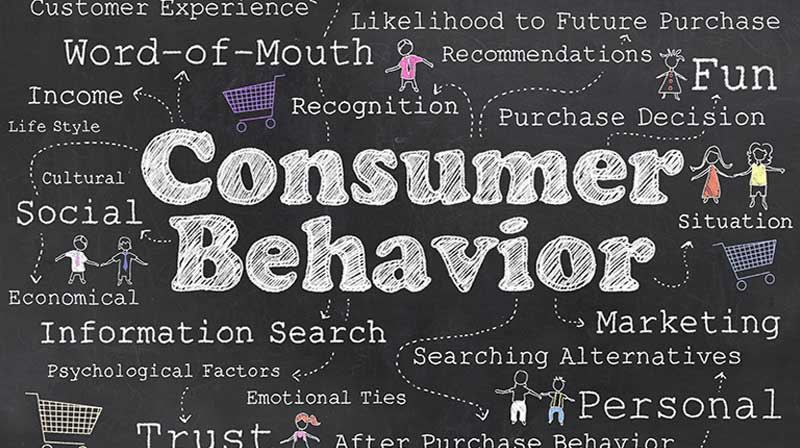
Understanding Consumer Behavior in Digital Marketing
In order to successfully engage customers through digital channels, marketers must understand consumer behavior. By studying how and why people make purchasing decisions, businesses can create more effective marketing strategies. Here are 10 tips for understanding consumer behavior in digital marketing: Identify Target Audiences The first step is segmenting your potential customers into relevant groups based on demographic, geographic and psychographic factors that impact their behavior. Also,define your key audiences to tailor your marketing accordingly. Monitor Trends and Preferences Keep up with trends that influence how consumers behave and what they value. This includes emerging technologies, social causes, lifestyles and purchase motivations. Understand Purchase Triggers Identify
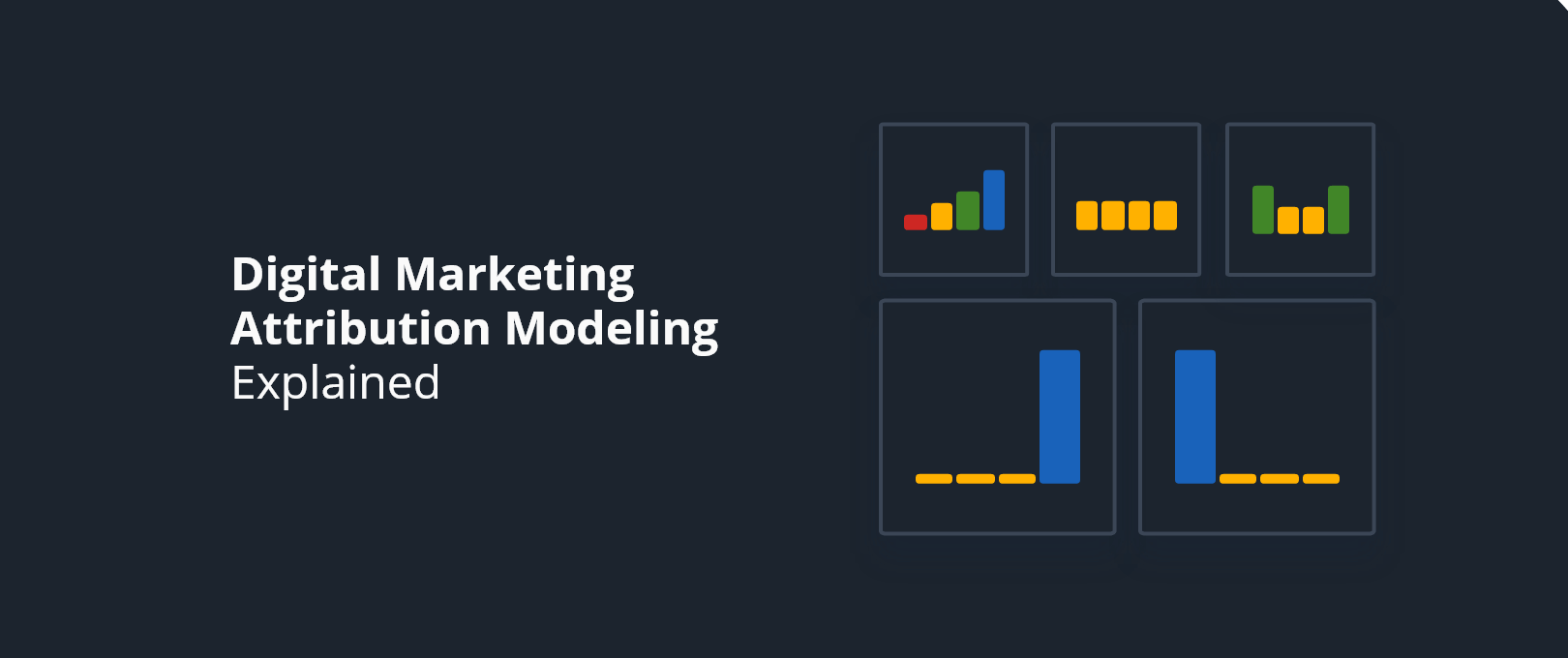
Understanding Attribution Modeling for Digital Marketing
As digital marketing channels continue to expand, it becomes more difficult for marketers to determine which channels and campaigns drive the most results. Attribution modeling provides a solution. Here are 10 things to know about attribution modeling: Attribution modeling It is the process of assigning credit for conversions (e.g. sales, leads) to the appropriate digital marketing channels and touchpoints that influenced a customer's path to purchase. Accurate one is critical for determining which channels to invest more in and which to scale back.Also, it helps marketers optimize spending for maximum ROI. There are different types of attribution models, including: Last click : All credit