

Dark Social Marketing
While most marketers focus on established social media platforms like Facebook, Instagram, and Twitter, an increasing amount of social interaction today happens through private messaging apps. These “dark social” channels like WhatsApp, Facebook Messenger, iMessage, and Snapchat are increasingly how friends and family communicate and share content. However, these closed ecosystems present challenges for marketers who want to reach consumers through relevant messaging. To succeed at dark social marketing in 2023, brands must craft strategies that feel authentic and valuable within private messaging conversations. As an example, over 2.5 billion people utilize instant messaging apps for communication. In contrast, less than

Optimizing the Customer Journey With Orchestration
As the digital marketing landscape continues to evolve, brands are realizing the importance of providing seamless, consistent experiences throughout customers' journeys. However, crafting such experiences can be challenging given the multitude of channels and touchpoints involved. Customer journey orchestration uses technology, data and automation to map, measure and optimize how customers interact with a brand across channels over time. By embracing orchestration approaches, companies can design customer journeys that drive higher engagement, satisfaction and lifetime value. In contrast to marketing strategies that focus solely on individual channels or touchpoints in isolation, orchestration takes a holistic view of the customer journey. This

Transitioning to Zero Party Data
With consumer privacy concerns on the rise and data regulations tightening, marketers are realizing the limitations of third party data sources. However, shifting to first party data collected directly from customers presents challenges on its own. An alternative gaining traction is zero party data - the data customers actively choose to share about themselves. Embracing zero party data strategies can help brands access valuable insights while respecting customers' privacy and control over their information. Traditionally, marketers have relied heavily on third party data purchased from data brokers and partners. This includes demographic and behavioral data used to segment audiences and target

Programmatic Advertising in Digital Strategy
Programmatic advertising is an automated process for buying, placing and optimizing digital ads across various platforms. By harnessing the power of programmatic, brands can achieve more precise targeting, greater scale and higher ROI for their marketing campaigns. Here are some key aspects of how programmatic advertising can benefit your digital strategy. Purchasing in real-time. First and foremost, programmatic advertising allows you to purchase ad space in real-time using automated technologies. This means your ads can be targeted and served to the right customers the moment they arrive on a website. Real-time bidding maximizes the relevance and efficiency of your campaigns. Data-driven optimization. In
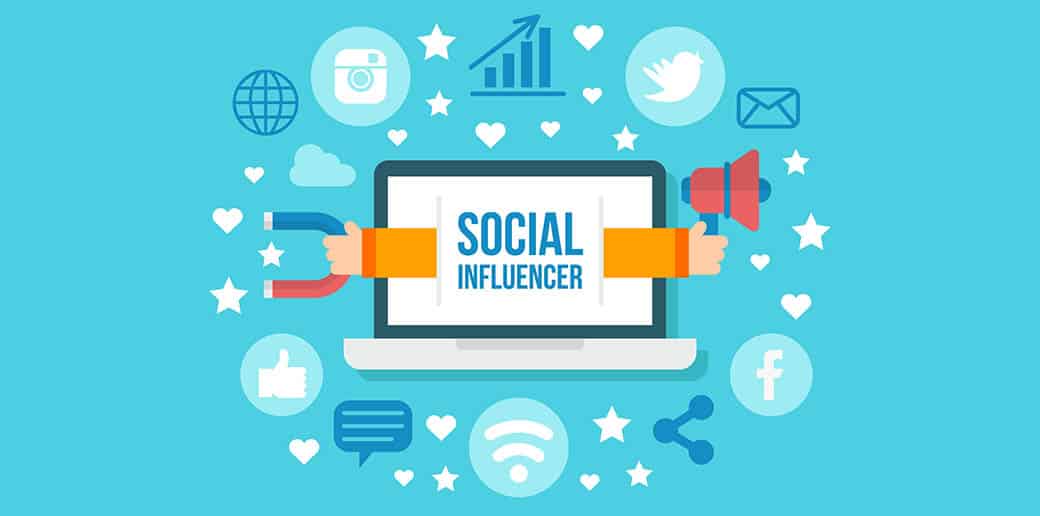
Influencers Drive Results in Your Digital Marketing
Influencers marketing involves partnering with relevant figures on social media who promote your brand to their audiences. By leveraging the trust and credibility of influencers, businesses can raise brand awareness, generate leads and boost sales through their digital channels. Here are some effective tactics for incorporating influencer marketing into your digital strategy. Identify your ideal customer. Firstly, define your target audience in order to determine the most suitable influencers to partner with. Outline your audience based on demographics, behaviors, interests and other attributes that describe them as a group. A clear profile of your customer will aid in finding aligned influencers. Research