
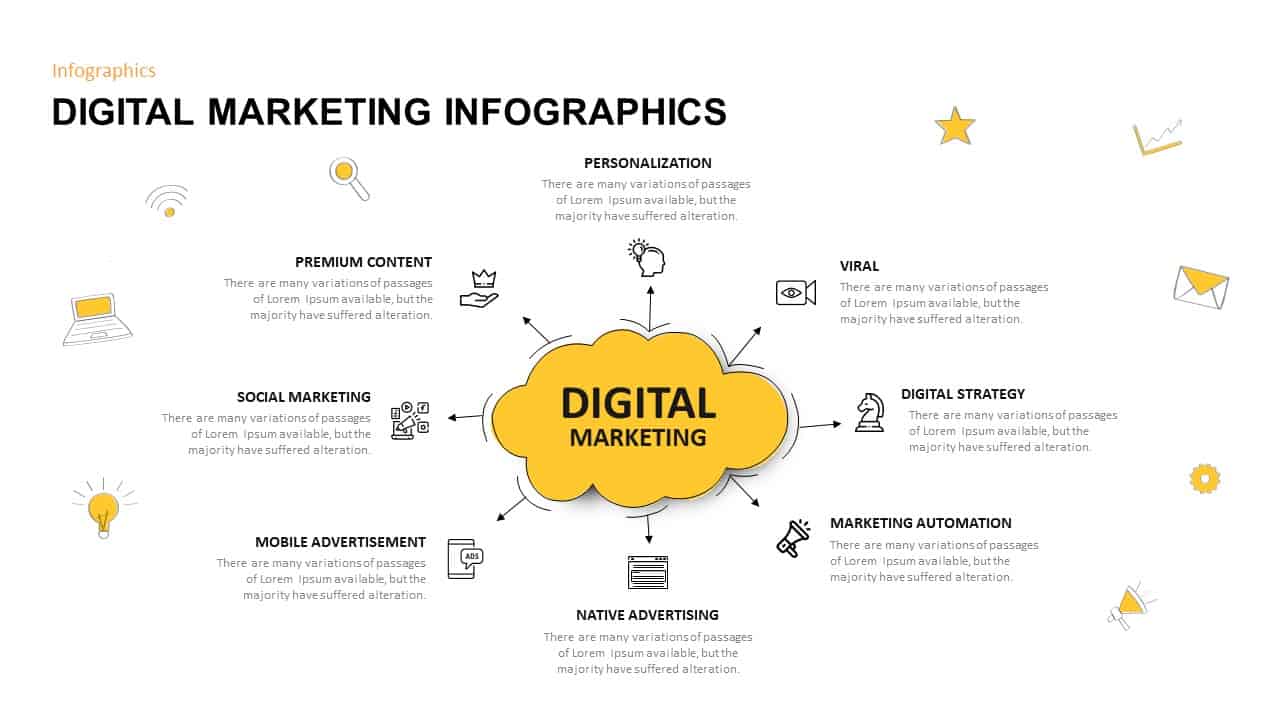
Using Infographics in Digital Marketing
Visual content like infographics and images consistently outperform plain text across social media and search engines. By incorporating infographics into your digital marketing, you can engage audiences better, increase social shares and improve organic traffic. Here are some effective ways to leverage infographics for your marketing goals. Choose relevant data. Firstly, identify relevant industry or brand data that you can distill into a visually interesting infographic. This could include useful statistics, comparisons, trends, lists or processes related to your niche. The more meaningful and share-worthy the info, the more impact your graphic will have. Outline the main points. Subsequently, outline the major

Omni-Channel Exposure in Digital Marketing
For businesses looking to engage customers across multiple touchpoints, an integrated digital marketing strategy is essential. An omni-channel approach ensures a unified and an exposure consistent brand experience across all channels that customers interact with your business through. It aims to provide buyers with a seamless experience no matter which path they take - online, mobile, social or in-person. Omni Versus Multi-Channel While both aim for consistency across mediums, there are subtle differences: Multi-channel marketing means using separate channels in isolation to reach customers. Also, while effective, it can result in disjointed messaging and multiple brand personalities. Omni-channel marketing combines channels synergistically to deliver
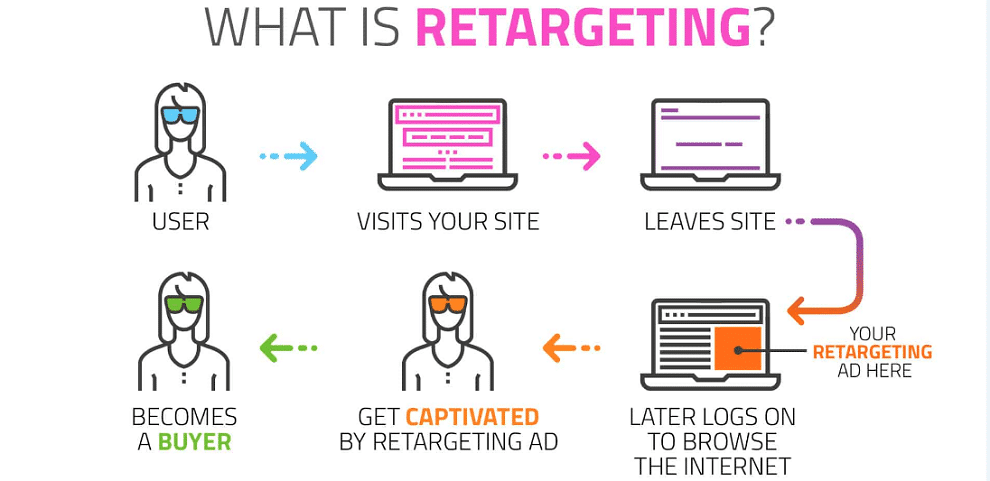
Re-Marketing: How to Retarget Website Visitors and Boost Sales
One of the most effective yet underutilized digital marketing tactics is retargeting advertising. Retarget involves displaying ads to people who previously visited your website but did not complete a purchase. By reminding these past visitors of your business through targeted ads, re-marketing can significantly increase conversion rates and overall sales. How Re-Marketing Works When someone visits your website, their browser saves a cookie that tracks their visit. Retargeting platforms like Google and Facebook access this cookie data to identify people who have been to your site within a set timeframe (e.g. past 30 days). You then create new display ads showcasing your offers
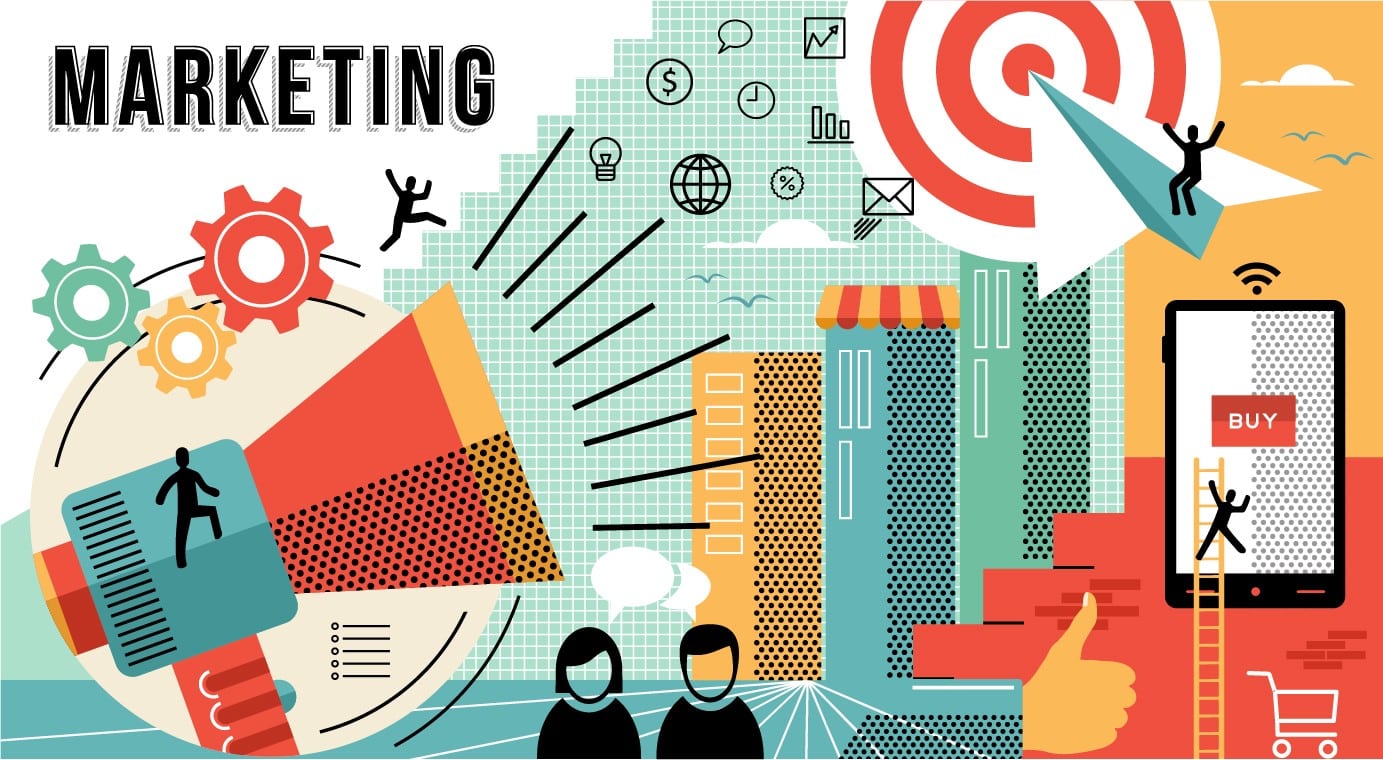
Digital Marketing Drives More Customers
For businesses, customer response is everything. Feedback, leads, sales and repeat customers all start with prospects taking action in response to your marketing messages. Fortunately, digital channels provide countless ways to boost response rates and drive more qualified customers through the door. Here are six effective strategies: Personalized Content Personalized emails, social media messages and web content that reference a prospect by name or with tailored recommendations significantly increase response. Customers feel their needs are understood, raising engagement and conversion rates. Targeted Advertising Targeted Facebook ads, Google Search Ads and YouTube commercials that match prospects' demographics, interests and previous searches result in much higher

Web Analytics: Tracking Key Metrics to Improve Digital Marketing
Web analytics involves tracking, measuring, and analyzing metrics and key performance indicators (KPIs) from a website to gain valuable insights for optimizing digital marketing strategies. Consequently, without analytics, marketers work largely in the dark when developing campaigns and content. Therefore, leveraging web analytics can reveal which approaches are most effective at acquiring and retaining customers online. Metrics to Track Some of the most important metrics for marketers to monitor include: Traffic sources: Knowing where visitors are coming from (search engines, social media, referral sites, etc.) helps determine where to focus efforts. Page views : The number of pages a visitor views per session indicates