

The Power of Targeted Digital Ads
Targeted digital ads play an integral role in today's online marketing. As such, specialists have found that by leveraging data and technology, businesses can show relevant ads to the right customers at the right time across multiple channels. Undeniably, this approach has proven more effective and efficient than interruptive mass marketing tactics. To begin with, in targeted advertising, businesses use specific criteria top in point the most suitable audience for their ads. Demographic factors like age ,gender and location are common filters. However, specialists have found that targeting by behavior and interests delivers the best results.For instance, an ecommerce brand can
Customer Journey Mapping in Digital Marketing
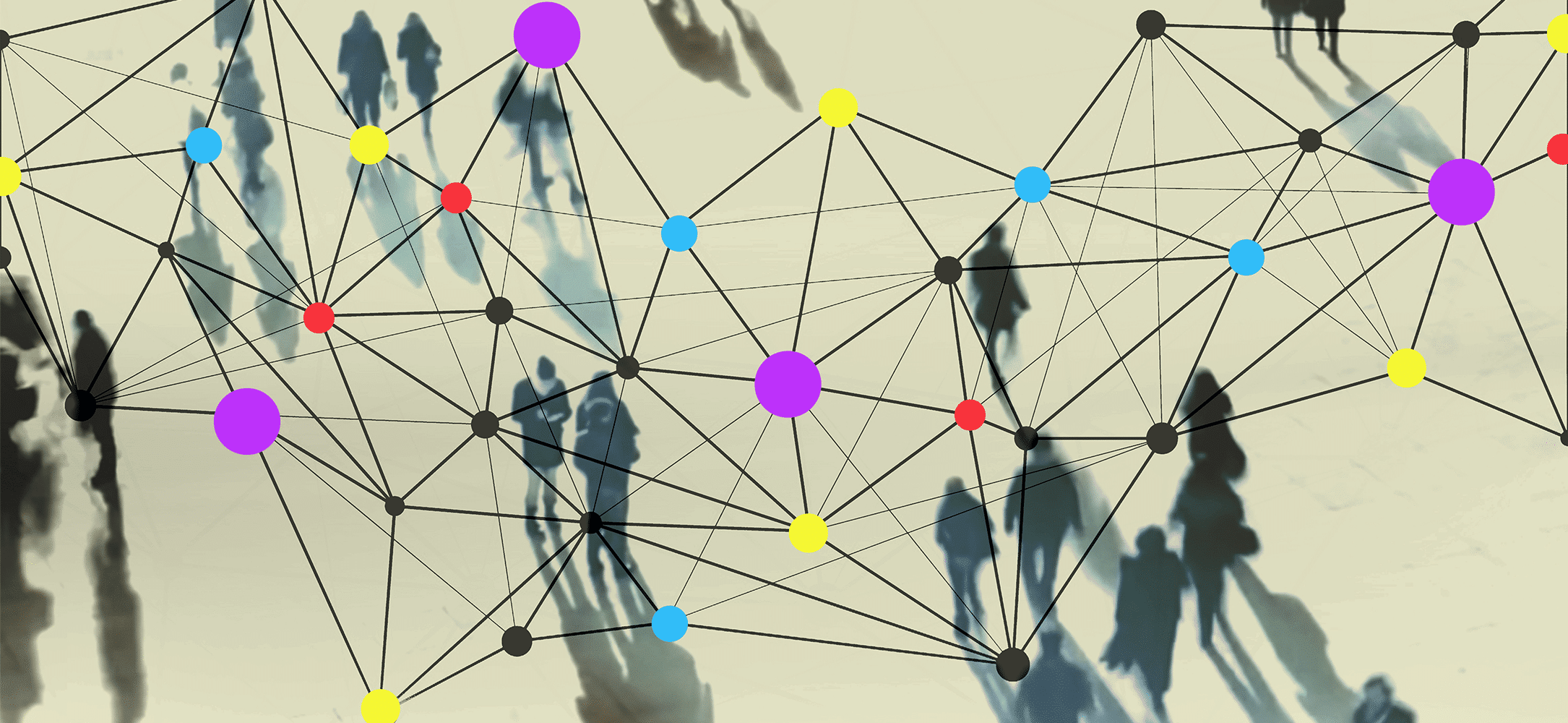
Customer journey mapping is an important digital marketing strategy used to analyze and optimize the interactions customers have with your brand across channels and touchpoints. By creating a comprehensive map of the stages customers go through from awareness to purchase and loyalty, organizations can identify areas for improvement and provide a better overall experience. Customer journey mapping involves identifying all the stages. Firstly, a typical customer goes through when interacting with your brand. These stages can include: awareness, research, evaluation, purchase, and loyalty or advocacy. Then, identify the key touchpoints, both digital and physical, where customers interact with your company at
Digital Marketing Chatbots:
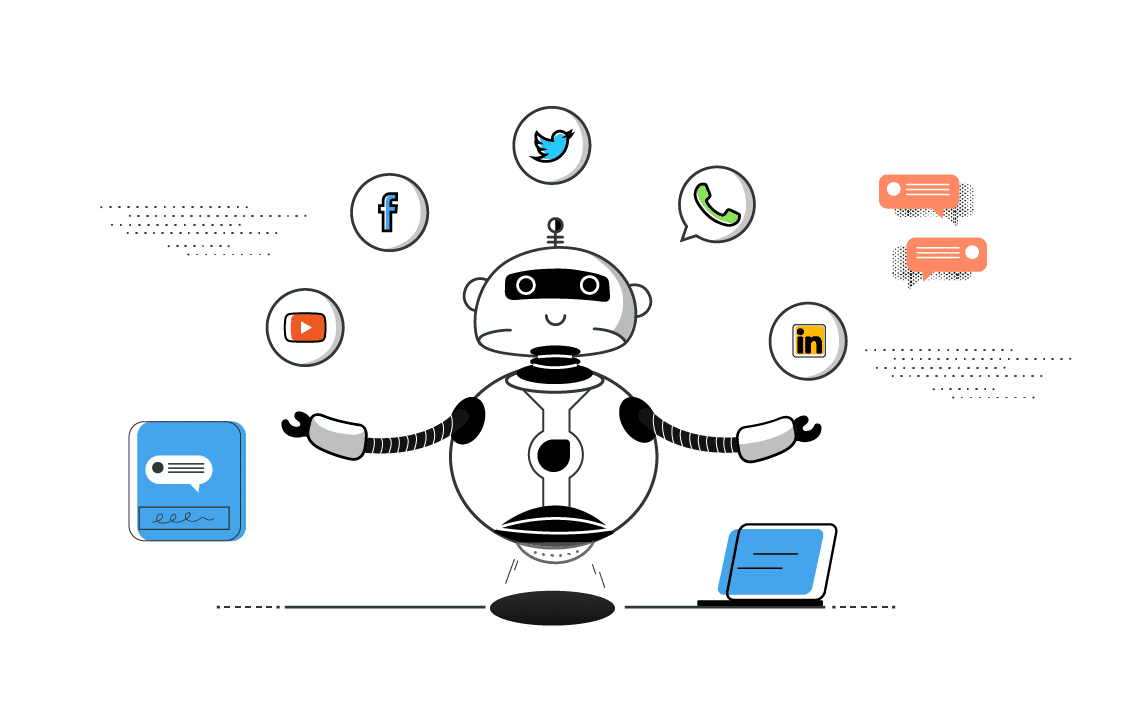
Chatbots are quickly changing the landscape of digital marketing. By interacting with customers in a conversational manner, these automated assistants are helping brands gather insights, provide information and engage users in an efficient manner. To begin, let's define what a chatbot is. A chatbot is a computer program that simulates human conversation through voice commands or text chats. They can engage in interactions through a website, messaging application or voice assistant like Alexa. Brands are implementing them for a variety of marketing purposes. Chatbots make it easy for customers to access information quickly. Firstly, customers no longer have to wait on

How Social Media Is Supporting Creator Monetization
As the number of social media creators and influencers continues growing at an exponential rate, platforms are increasingly focused on developing tools and features that allow influencers to effectively monetize large and engaged audiences. With so many creators competing for limited advertising dollars, monetization features have become a key area of development and differentiation among platforms. Existing Monetization Options Most social platforms currently offer a few core ways for creators to generate revenue, including: Advertising & Sponsorships - Traditional in-feed and story ads remain the primary revenue source for most influencers. However, ad fill rates and CPMs vary widely. Affiliate Marketing - Links and

Augmented Reality for Enhanced Social Experiences
As social media platforms look for new ways to engage users and differentiate their offerings, voice commands and augmented social reality are two trends that will likely see further integration in the coming years. By enhancing core functions and content reality with these technologies, platforms have an opportunity to create more interactive and immersive experiences for users. Voice Commands experiences Many social apps already allow basic voice commands for tasks like searching and scrolling content. However, advancements that: Allow complex multi-step tasks entirely by voice like posting a status update, uploading a photo, or adding a filter. Provide more natural language processing so commands