

Digital Marketing: Customer Engagement
Customer loyalty and retention are harder to achieve than ever before. Therefore, ongoing customer engagement through your digital marketing strategy is crucial to keep clients coming back. Firstly, maintaining meaningful connections with customers can even turn them into brand advocates. Here are 4 techniques for maximizing customer engagement digitally: Stay Top of Mind with Email Undoubtedly, email marketing remains one of the most effective engagement tools. Certainly, customer who sends regular emails with relevant, exclusive content that adds value. Clearly, share interesting articles, tips, industry news and event info related to customer needs and interests. Ultimately, a steady stream of helpful, well-written
Digital Marketing: Social Shopping
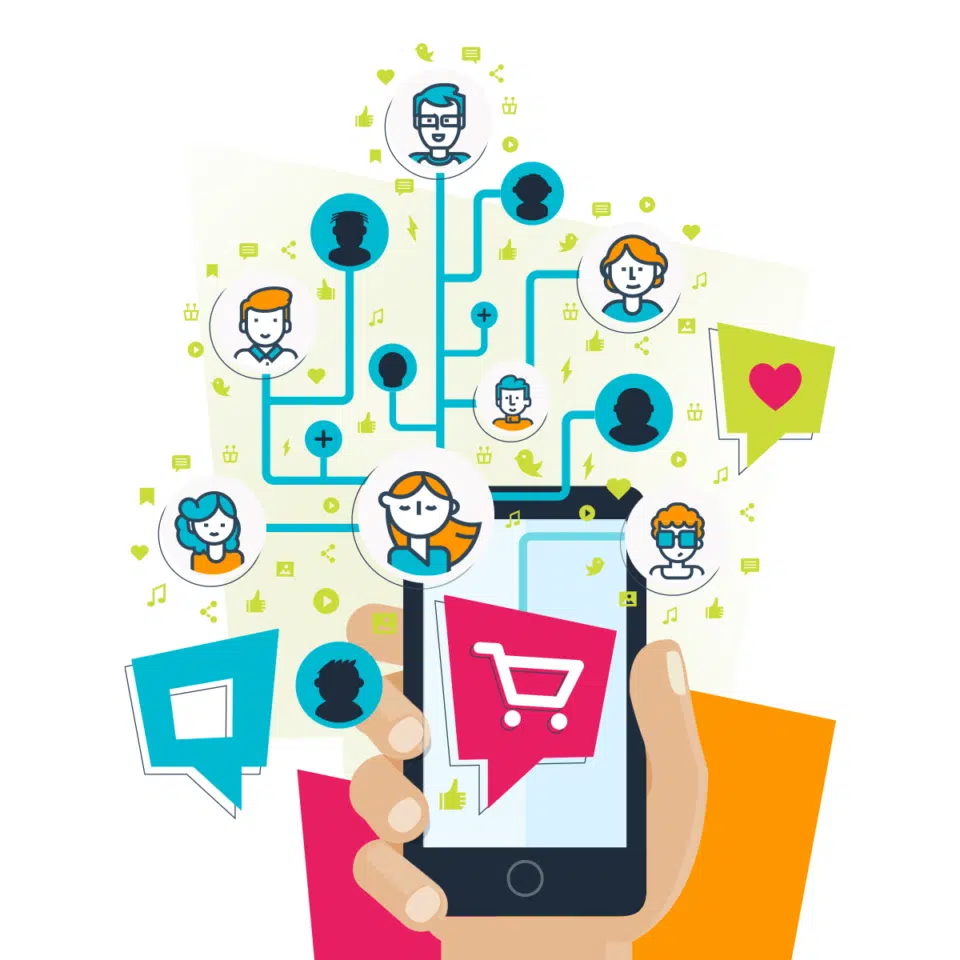
Social shopping is fast becoming an integral part of digital marketing strategies. By enabling social commerce opportunities, businesses can connect with customers on the networks they love and improve the shopping experience. Here are some ways businesses are leveraging this shopping. Social networks allow users to share shopping experiences and product recommendations with their friends and followers. By enabling user sharing and reviews directly on social platforms, businesses can create buzz and drive sales. These networks now offer seamless integration tools to facilitate this shopping. For instance, businesses can directly integrate their product catalog into Facebook so customers can purchase items from

Google Ads: Small Business Ideas and Tools
With the right idea and tools, starting your own small business can be within reach. Fortunately, today there are many business opportunities and resources available for aspiring entrepreneurs. Here are some small business ideas and tools to consider. An e-commerce business is a convenient option with relatively low startup costs. With so many people shopping online, selling products through websites and marketplaces can be lucrative. You can sell physical or digital products through platforms like Amazon, eBay, Etsy and Shopify. Online service businesses are also poised for growth. You can offer services like web design, graphic design, content writing, video editing, software

Web APIs: Application Programming Interfaces
Web APIs are becoming increasingly important for web development. An API or Application Programming Interfaces is a software intermediary that allows two applications to communicate with each other. Web APIs allow web applications to request and receive data and functionality from other applications. Most major websites and web services expose functionality through web APIs that third-party developers can access. For instance, Google provides APIs to access services like Maps, Analytics, and Translate. Facebook has APIs to integrate social features into applications. Similarly, most e-commerce sites have APIs for product and order data. Web APIs enable developers to incorporate useful data and features

Social Media: The Rising Creator Economy
The so-called creator economy refers to people who generate content across multiple social media platforms as their main source of income. From influencers to streamers to podcasters, content creators are now a lucrative sector of the new digital economy. Defined loosely, a creator is anyone who produces content like videos, photos, articles, or podcasts for social media platforms. Thus, brands and platforms are increasingly investing in this ecosystem. The bottom line for this growth is simple. Generating content regularly across multiple platforms is difficult, yet millions of people want access to that content in real time. Consequently, those who succeed in providing