

Types of Email Marketing
Email marketing types has been around for a long time. It's evolved and changed, but it's managed to remain effective and even grow in popularity over the years. Email marketing is more popular than ever. It estimates that 64% of small businesses use email marketing to reach and persuade customers. Whether you are using email marketing for lead generation, sales, lead nurturing or customer retention, if you're a marketer for a small or developing business, you should learn how email can help you. Email marketing is cost-effective and precise, but what type of email marketing should you be using? Here

Social Media: Monetization Options
As social media platforms continue to evolve, they are offering creators more ways to generate income through their content. Brands and influencers now have access to an array of monetization options beyond just advertising and sponsorships. In 2023, we can expect to see social platforms roll out even more tools to help users profit from their followers and engagement. Here are some monetization options likely to expand next year: Subscriptions Platforms like Instagram, YouTube and Facebook offer the ability to charge followers a monthly subscription fee in exchange for exclusive content. More social networks will introduce this feature, giving influencers another steady revenue

Social Media: Virtual and Augmented Reality
Virtual and augmented reality technologies are poised to transform the way we use social media over the next few years. As these immersive mediums mature and become more accessible, we can expect VR and AR features to expand across platforms in 2023. VR for Experiences and Events First, social platforms will integrate VR to enable immersive shared experiences beyond what's possible on 2D screens. For example: •Watching events together•Attending virtual concerts•Socializing in virtual hangout spaces•Exploring places together AR for Enhanced Visual Content Also, augmented reality effects and tools will allow users to create more engaging visual content that blends the digital and physical worlds. Examples
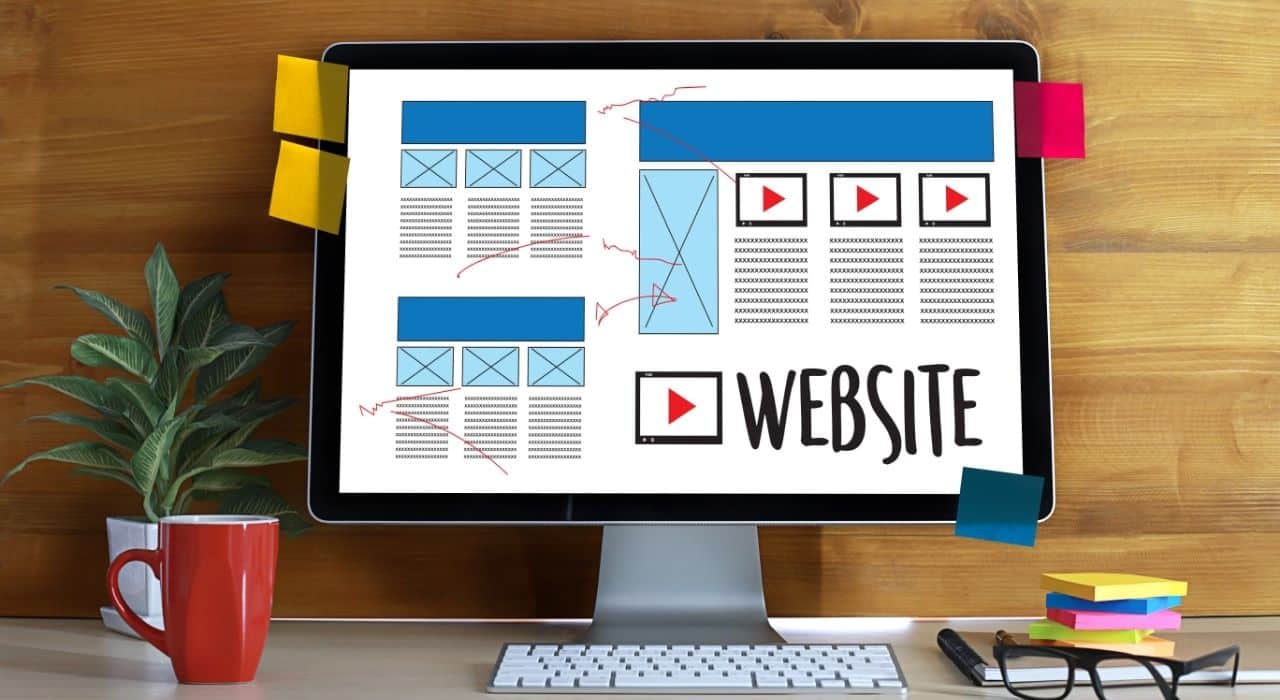
Website Optimization
Optimizing your company website involves techniques and improvements that boost key performance metrics like conversions, traffic, and revenue. Proper website optimization helps achieve business goals by focusing on user experience, load times, SEO, and more. Page Speed Affects Conversions Slow load times negatively impact conversions. Faster page speeds increase time on site, lower bounce rates, and improve conversion rates. To enhance speed, optimize images, reduce page size, minimize HTTP requests, and enable caching and compression. Improve User Experience By minimizing friction and making tasks easy, positive UX increases conversions. Usability tests and heat maps identify pains that optimization can solve. Updating design, reducing clicks,

Key Performance Indicators
Key performance indicators, or KPIs, are quantifiable measurements that help businesses analyze success and monitor progress toward goals. Selecting the right KPIs and tracking them regularly helps businesses improve performance and make data-driven decisions. Identifying Relevant KPIs The first step is identifying Key performance Indicators KPIs relevant to your business goals. Consider metrics that measure: •Customer lifetime value•Customer retention and churn•Revenue and profit•Market share•Lead volume and conversion•Productivity and efficiency•Customer satisfaction•Innovation Common KPIs Then, some common example Key performance Indicators KPIs for many businesses include: •Traffic - Number of website visitors•Leads - Number of new qualifying leads generated•Conversion rate - Percent of site visitors that convert into