
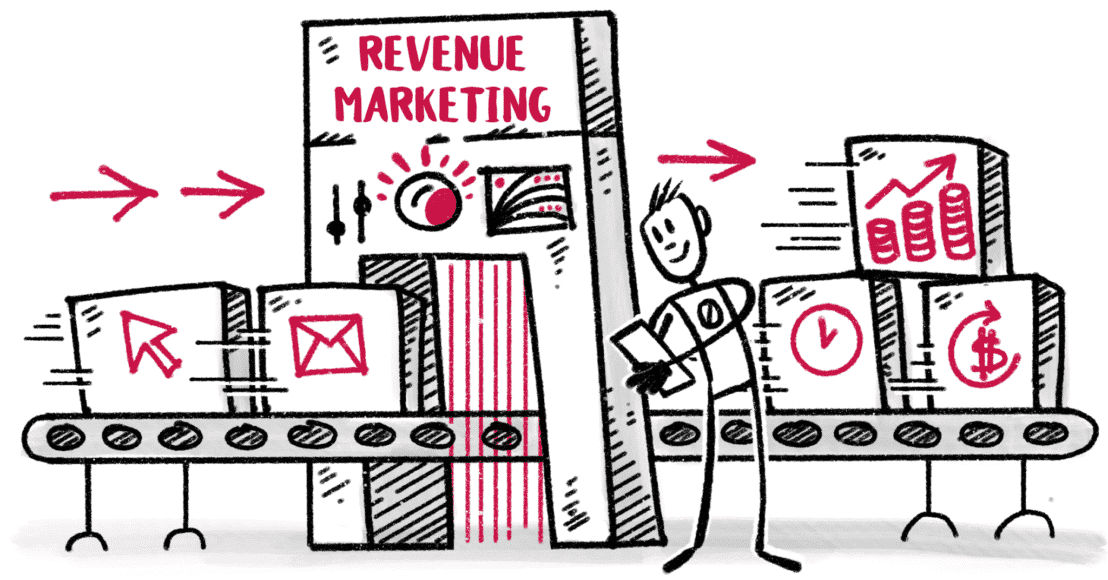
What is Revenue Marketing?
Revenue Marketing Revenue marketing is the process of using different channels and methods to build marketing campaigns that boost customer acquisition and sales. It links marketing plans to revenue goals. When we talk about revenue marketing, we're talking about a method of marketing that's used for lead generation. Some marketing campaigns are implemented to increase brand awareness or support a product launch, but revenue marketing puts all hands on deck towards increasing money generated by the business. Key Components of Revenue Marketing Efforts Customer Data Acquisition The more businesses know about their customers, the better they’re able to create marketing and sales strategies capable of
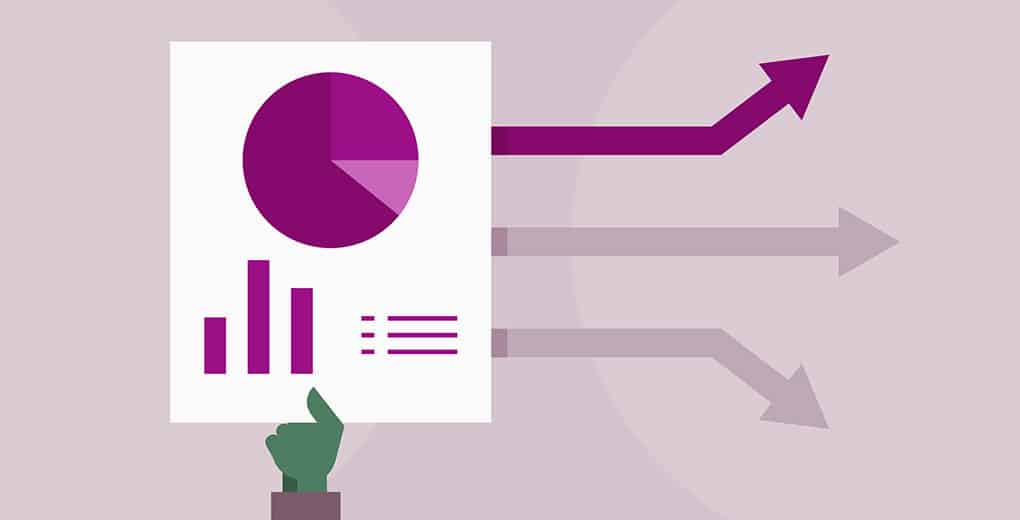
What are the Benefits of Prescriptive Analytics?
Prescriptive analytics is a process that analyzes data and provides instant recommendations on how to optimize business practices to suit multiple predicted outcomes
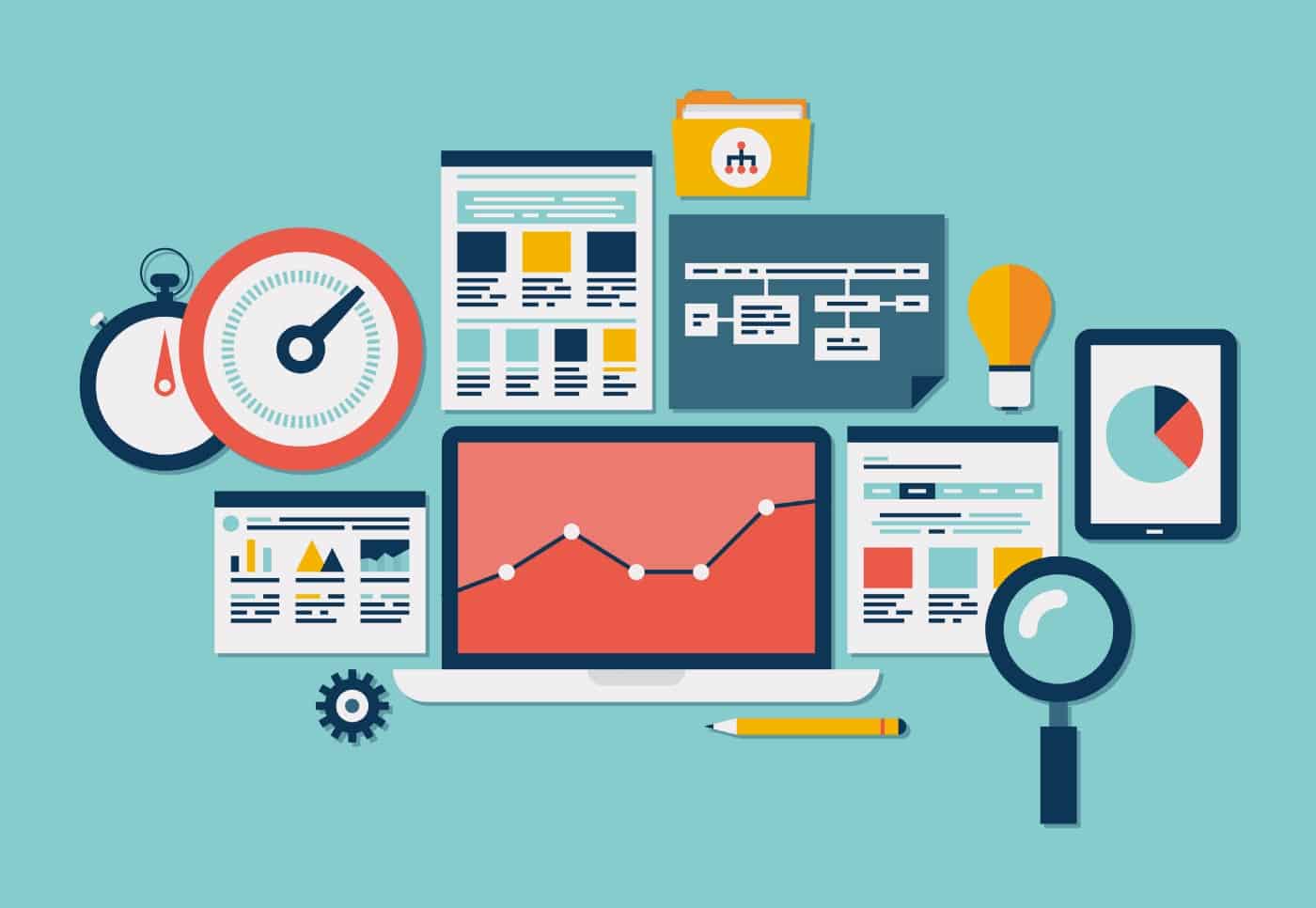
What is Marketing Attribution?
Marketing Attribution Marketing attribution is the way advertisers determine how marketing tactics – and subsequent customer interactions – contributed to sales, conversions or other goals. These marketing metrics are used to identify the channels and messages that inspire potential buyers to take action. The models consider various touchpoints in the marketing funnel and their impact on consumer behaviour and conversion. Why do we need marketing attribution? When it comes to marketing, knowledge is power – the more you can learn about your past results, the better you can plan your future tactics. Analyzing your current marketing objectives and taking subsequent marketing actions can create a ripple effect

What are the Different Types of Sales Leads?
What are Sales Leads? Sales leads keep you from wandering aimlessly in search of your next client or customer. These leads point you in the direction of fresh revenue opportunities that will help you expand your digital business. Once you’ve begun generating leads, you can begin the lead nurturing process, which is a vital source for attracting more individuals into your sales funnel. A company’s marketing department can evaluate which sales leads are worth engaging and which are likely a waste of time using several tools and tactics. Once leads are generated, then the sales department will take on pursuing and closing
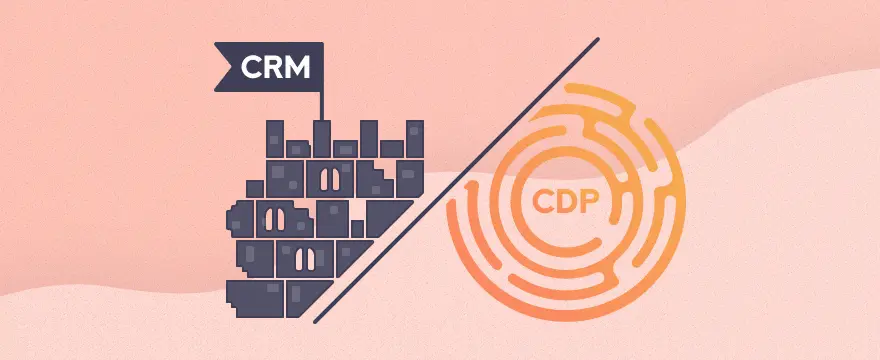
CDP and CRM: What’s The Difference & Which One Is Best?
CDP and CRM The difference between a customer data platform (CDP) and customer relationship management (CRM) solution may be difficult to determine at first, because both options collect, store, and put customer data to use in support of business goals. While their functions may overlap, the CDP vs CRM debate becomes easier when you get clarity about the people, processes, and use cases for each option. CRMs Designed to improve personal interactions with customers, CRMs feature contact information for leads and existing customers, as well as historical data, like past customer-support tickets and notes entered by a salesperson, such as the pain points