

The Integration of Shopping on Social Media
Social media platforms have traditionally focused on connecting people and sharing content. However, a burgeoning trend known as social commerce seeks to the integration e-commerce and online shopping features directly into social platforms. Accordingly, this blurs the line between traditional social media and retail. Therefore, social commerce aims to make the online shopping experience more social and interactive. Traditional E-Commerce Current e-commerce is dominated by sites devoted purely to online shopping. Hence, these retail sites: Center around finding, browsing and purchasing products. Provide limited social features and interactivity. •Require consumers to switch between retail apps and social platforms. Thus, this experience remains somewhat siloed from consumers'

Experience Marketing: Using the Customer Journey as a Brand Differentiator
In an environment where business factors like price and product quality have become largely commoditized, customer experience has emerged as a new focal point for brand differentiator. Therefore, experience marketing seeks to shape how customers perceive your brand throughout their entire journey. This holistic approach can set you apart from competitors and cultivate loyal customers. Traditional Marketing Focus Traditionally, marketing differentiator teams have focused on: Creating advertising campaigns and promotions •Generating brand awareness •Gaining new customers While necessary, these tactics rarely influence customers' day-to-day experiences with your brand and products. Consequently, many brands remain undifferentiated in customers' minds. The Shift to Experience With customers now wielding unprecedented information
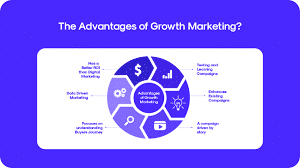
The Benefits of Subscription Marketing for Growth
While traditional transactional business models have long dominated, subscription-based models are increasingly popular across industries. These subscription services deliver value to customers through consistent, ongoing access to a product or service. Accordingly, subscription marketing models foster customer loyalty, recurring revenue and opportunities for growth. Therefore, businesses seeking growth can benefit substantially from adopting this approach. Transactional vs. Subscription Models In a transactional model, customers: Purchase individual products or services as needed. •Have limited, periodic interactions with businesses. •Provide revenue at the specific time of each transaction. While viable, this model offers limited potential for: •Customer loyalty beyond value delivered per transaction. •Recurring revenue streams. •Data to improve offerings over
Voice Technology for Digital Marketing
Voice assistants and smart speakers are rapidly being adopted, with over 100 million devices currently in use in the U.S. alone. This growing trend represents both opportunities and challenges for marketers. Accordingly, brands must adapt to thrive in the voice ecosystem. Therefore, a voice marketing strategy is crucial for reaching customers where they increasingly spend time: on voice technology. The Rise of Voice Assistants Some key facts about voice technology: Voice searches already exceed 20% of total searches and are growing 50% annually. •Over 70% of smart speaker owners use them daily. By 2022, half of all searches will be performed without a screen. More than
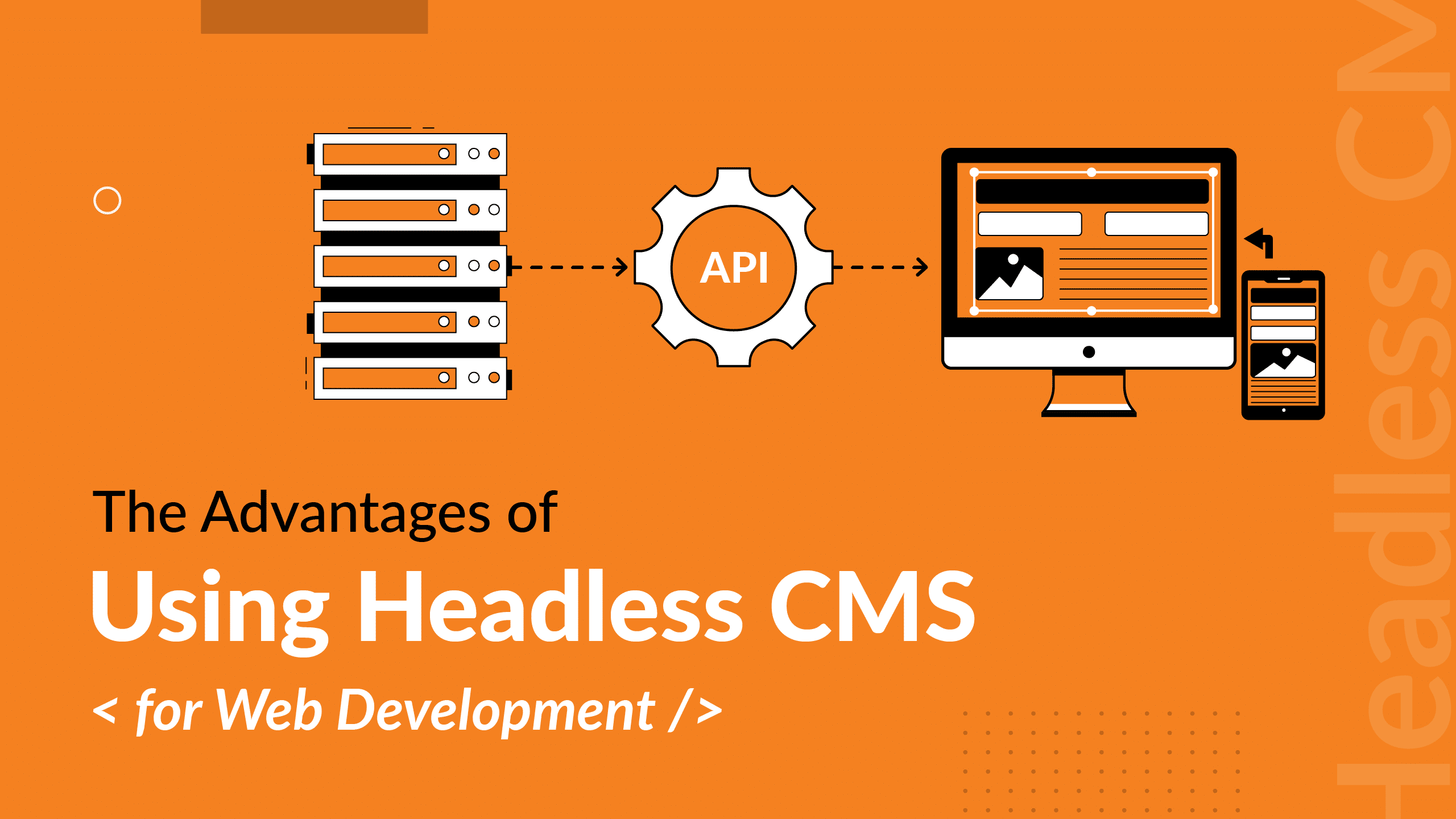
Benefits of Headless CMS for Web Developers
Content management systems (CMS) have long provided a user-friendly backend for non-technical users to manage websites. However, traditional CMS platforms are tightly coupled with their interfaces. Accordingly, they limit the choice of frontend frameworks. This inflexibility can constrain developers. Subsequently, newer headless CMS platforms decouple the web content storage from the presentation layer. Therefore, they provide APIs that enable connecting any frontend technology. This setup offers numerous benefits for developers. Traditional CMS Platforms In standard CMS platforms like WordPress and Drupal, the CMS: Both stores and displays content. •Uses its own HTML templates to render pages. •Relies on a monolithic, integrated interface. Thus, developers can only