

Improving Website Usability in Digital Marketing
The usability and functionality of your website significantly impacts the customer experience and success of your digital marketing efforts. Continuously testing and improving your site's usability optimizes its performance as a marketing and sales channel. First and foremost, usability testing with real customers is essential. Have visitors attempt common tasks on your website while evaluating ease of use. Note where they get confused or frustrated. Then make improvements based on usability study insights. Keep navigation simple and logical. Use a consistent and intuitive information architecture with clear labels and grouping. Limit the number of clicks required to accomplish tasks. Streamline menus and

Streamlining your Marketing Tech Stack
An effective digital marketing strategy requires the right tools and technologies. However, using too many different marketing tools can create issues like data silos, wasted budgets and inefficient workflows. Streamlining your marketing tech stack can solve these problems. To begin, identify which marketing channels and functions require technology to support them. This may include your website, email marketing, social media, paid ads, CRM, analytics and automation. Next, list all the different tools and platforms you currently use across those marketing functions. Audit each tool for its functionality, feature set, data integration and cost. Then, determine which tools are truly indispensable based on how
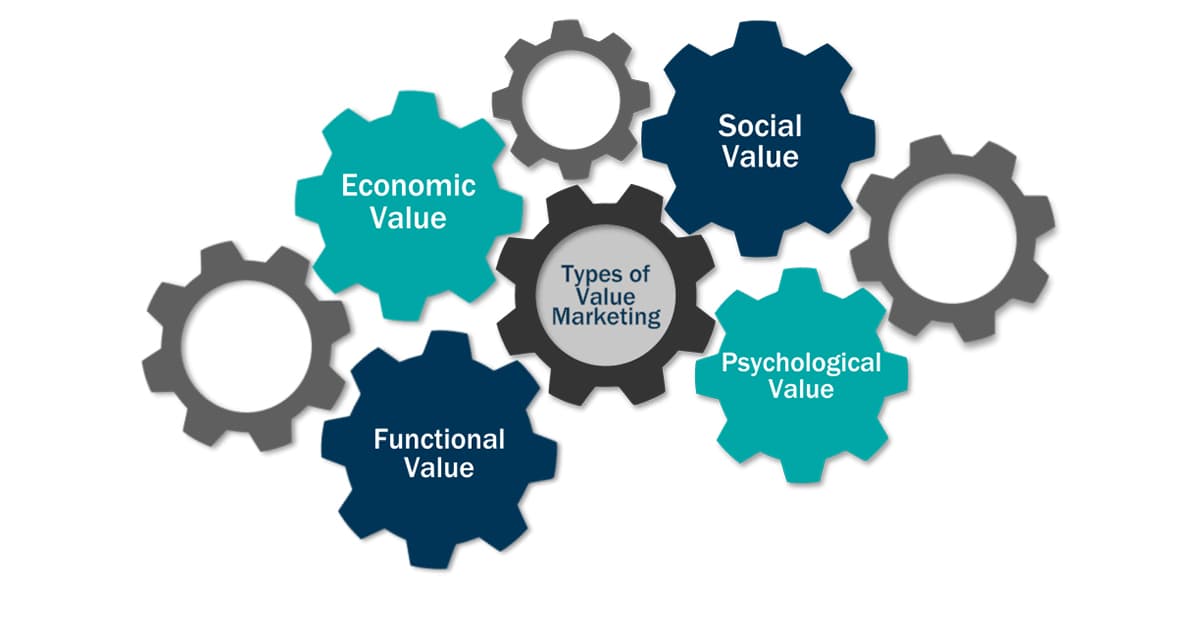
Providing Value Beyond Sales in Digital Marketing
While income from sales transactions will always be important, digital marketers are increasingly recognizing the need to provide value beyond just making sales. Customers now expect brands to offer relevant and useful information that improves their lives. To begin with, customers have more options than ever before. If your brand only talks about your products and promotions, customers will tune out and turn elsewhere. However, by providing valuable information and resources, you distinguish your brand as a helpful partner. Furthermore, valuable brand content unrelated to sales can earn customers' trust over time. When customers do have a need, they'll be more likely

Developing an Effective Social Media Content Strategy
Creating an impactful social media content strategy is essential for engaging your audience and achieving your business goals. A well-planned content strategy ensures you're posting the right types of relevant, compelling content at regular intervals. To start, identify your target audience and personas for each social platform. Know their demographics, interests and pain points. Create profiles to keep in mind while crafting content. Next, determine your key business and marketing objectives for using social media. Are you looking to increase brand awareness, grow followers, generate leads or promote sales? Prioritize 1-3 main goals to align your content around. Set a posting frequency and

Paid Social Media Ads
While organic social media can drive some traffic and engagement over time,paid social media ads allow you to accelerate growth and achieve specific business objectives more quickly.Here are the key reasons to invest in paid social ads and how to utilize them effectively. To begin with, paid ads enable you to target very specific audiences based on demographics, interests and behaviours.You define the ideal customer persona and the social platforms find them for you among their massive user bases.This level of targeting boosts performance of your ads. Paid ads give you more control over the visibility of your social posts. While organic posts