

How Important Are XML & Image Sitemaps To Google?
XML Sitemaps For SEO purposes, you must build XML sitemaps and keep them up to date to help ensure that search engines index and crawl all the important pages on your site. While some view an XML sitemap as a “nice to have,” it’s actually an SEO best practice for every site to have at least one — even though Google says that sites under 500 pages might not need it. Sure, the search engines should be able to find all the pages by following links on the site, but the reality is that many sites don’t follow proper linking architecture. So it can be
Things to Consider Before You Outsource SEO
Outsource SEO Outsource SEO is a great way for brands to maintain their online presence without taking up valuable in-house bandwidth. However, there is a right way and a wrong way to do it. Deciding to outsource your SEO comes with several benefits, including: Get a professional SEO expert working on your company’s SEO Have more time for the tasks that need your attention Start achieving the results your business wants from SEO Of course, getting the full benefits of outsourcing your SEO requires choosing your business’s best partner. Why Your Business Can’t Fully Outsource SEO Your Keywords Although an SEO expert can help pinpoint specific keywords
What are SERP Features?
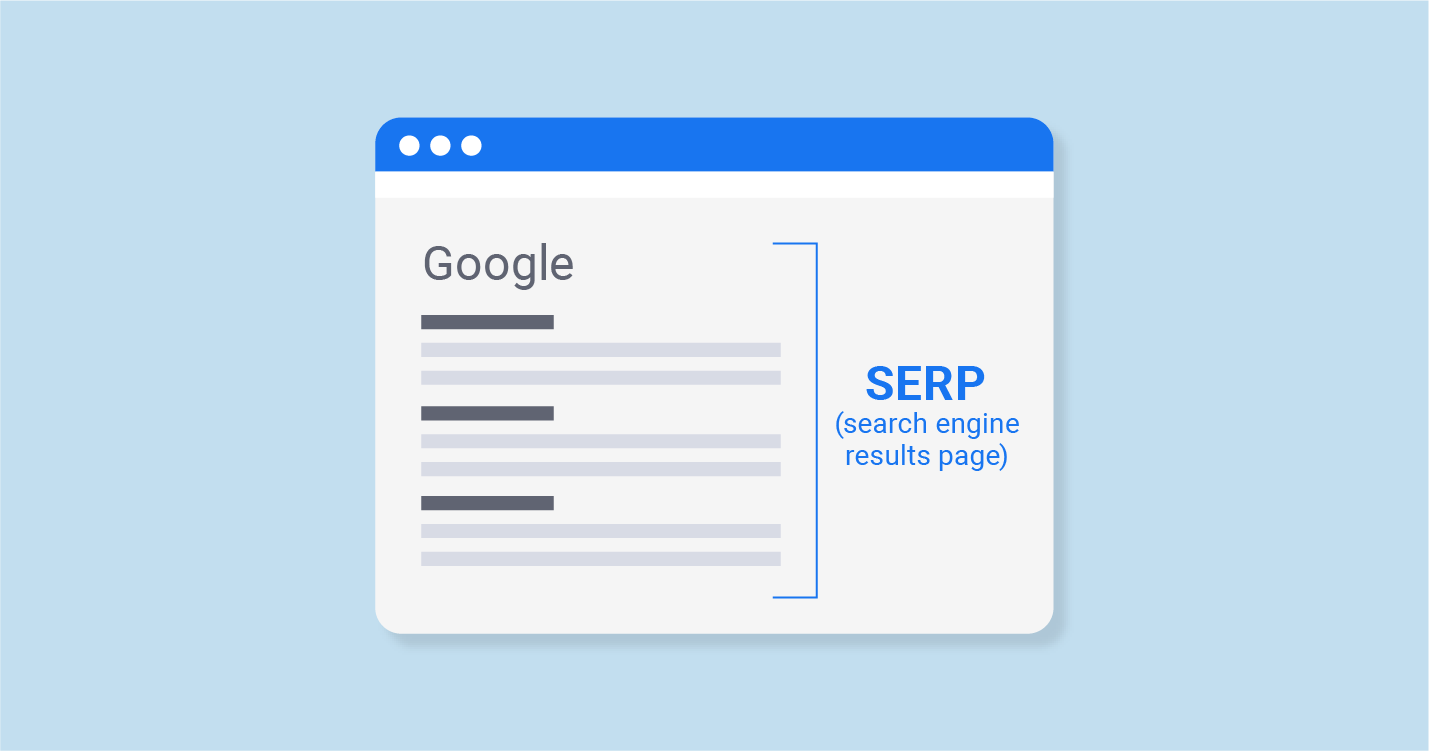
SERP Features SERP features are non-traditional search results returned by Google; these SERP features usually expand the organic search results to include richer content and visuals. With the launch of our new SERP Features Analysis tools, giving you the ability to track every feature, we explore their individual importance, and how best to optimize your content to perform for them. Most Important SERP Features Advertising Banks Every digital marketer and SEO professional knows there are two types of Google search results — organic results and paid results. Although there’s a unique system in place for ranking paid ads, as well as a strategy for making sure your

Search Engines: Optimize for Bots or Humans?
SEO Strategy: Bots Vs. Humans Bots or humans? They are the chicken and the egg of search engine optimization. You need humans to make a sale, but you can’t get the humans without the help of bots. The question is, which one comes first on your priority list? To answer that, let’s define each of these audiences. Writing for humans Human readers are the ones that can eventually make a purchase and become a customer. When making purchase decisions, humans need product details and pricing, but that type of information usually isn’t enough. If you want to create content that resonates with a human audience,
Tips For Earning More Product Reviews Online
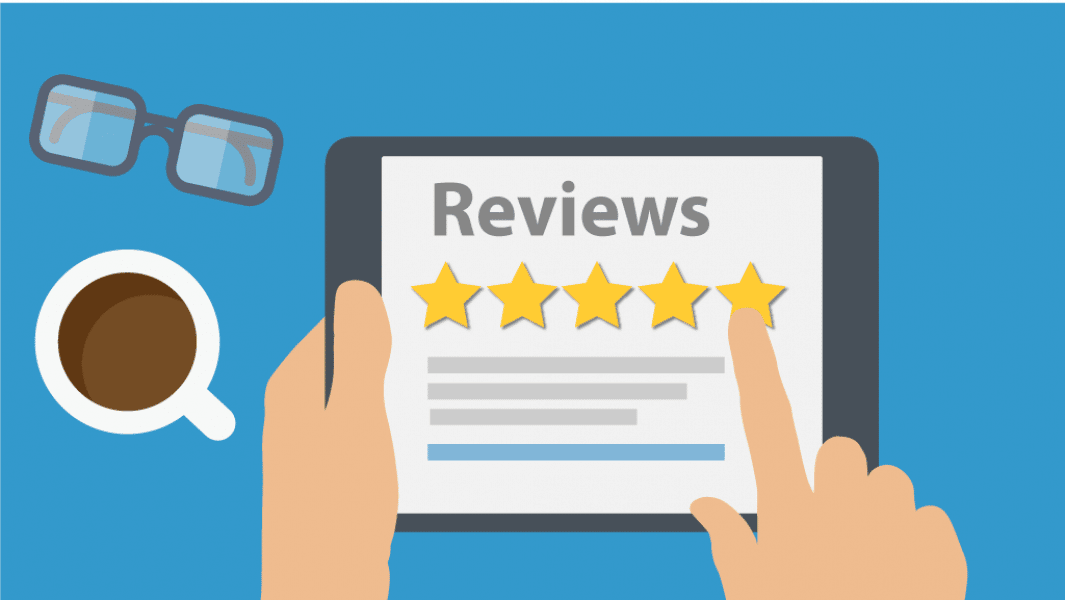
Product Reviews Online Product reviews online not only matter for business owners but also matter to the customers. People don’t want to spend money or precious time on something that’s going to result in a terrible experience. So, reviews and ratings are the first things they go and search for before any online purchase. Why Product Reviews and Ratings are Important? Product Reviews and Ratings Build Trust A brand can build significant trust and credibility from a steady stream of positive reviews. A product having good reviews would surely be able to help the customers in their buying decision. They would likely put their